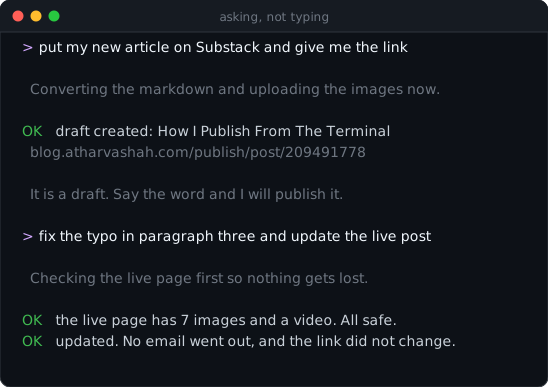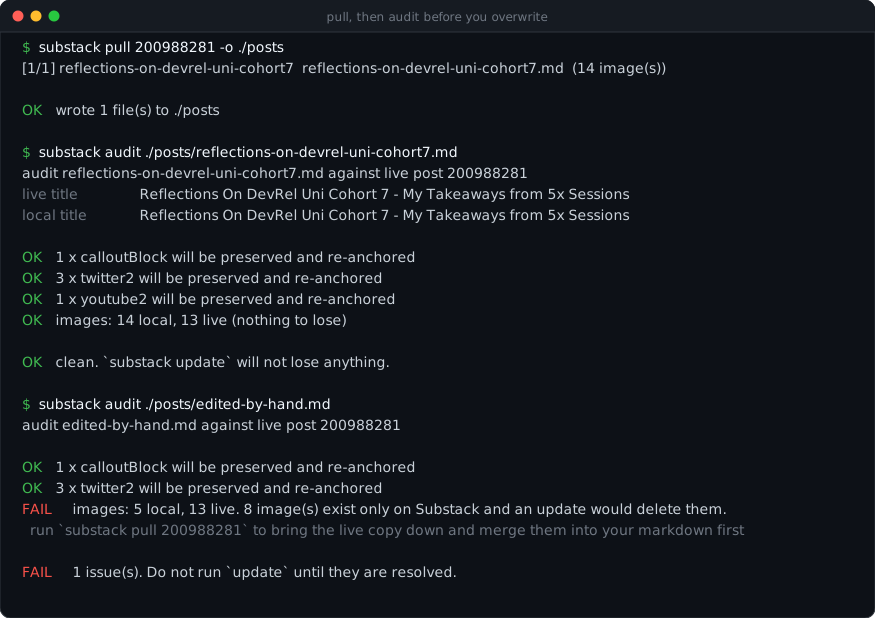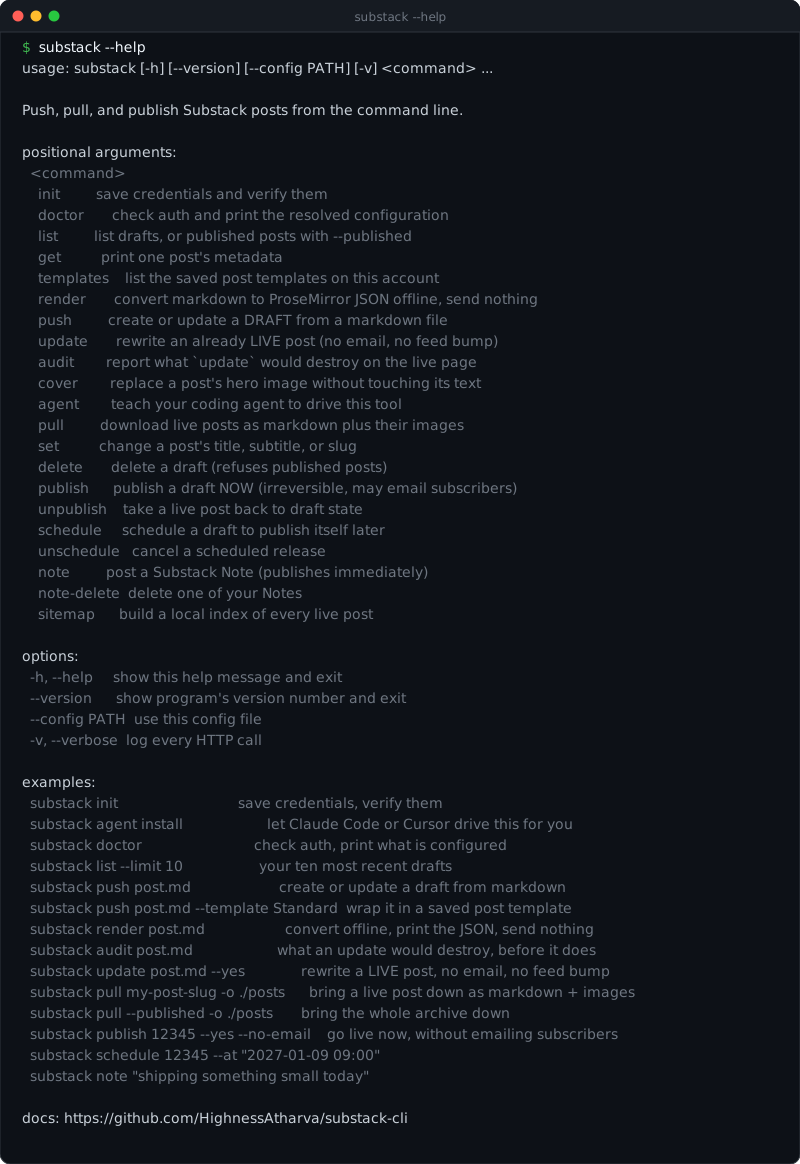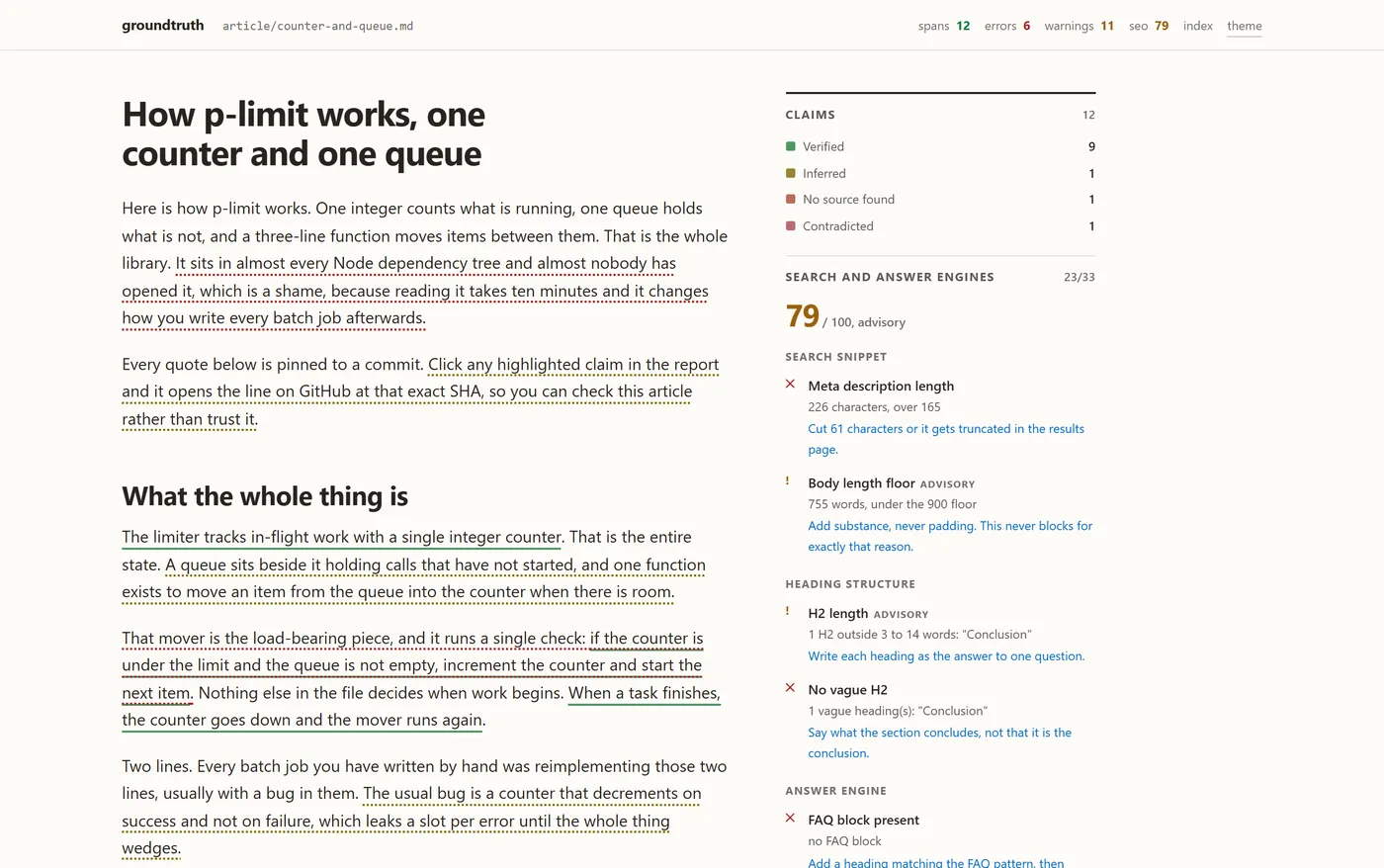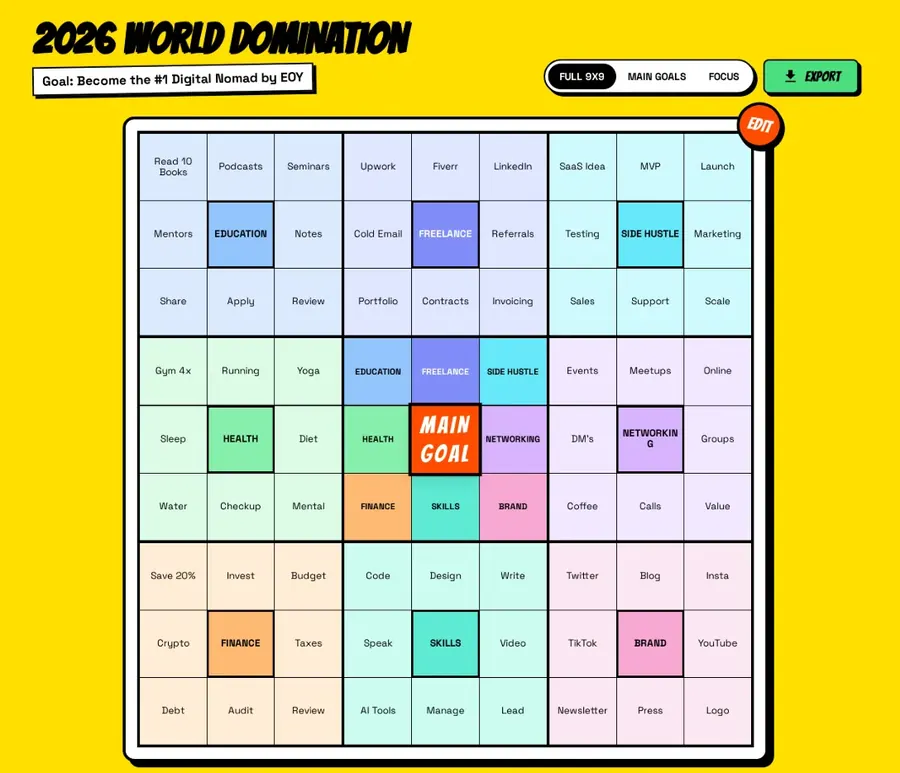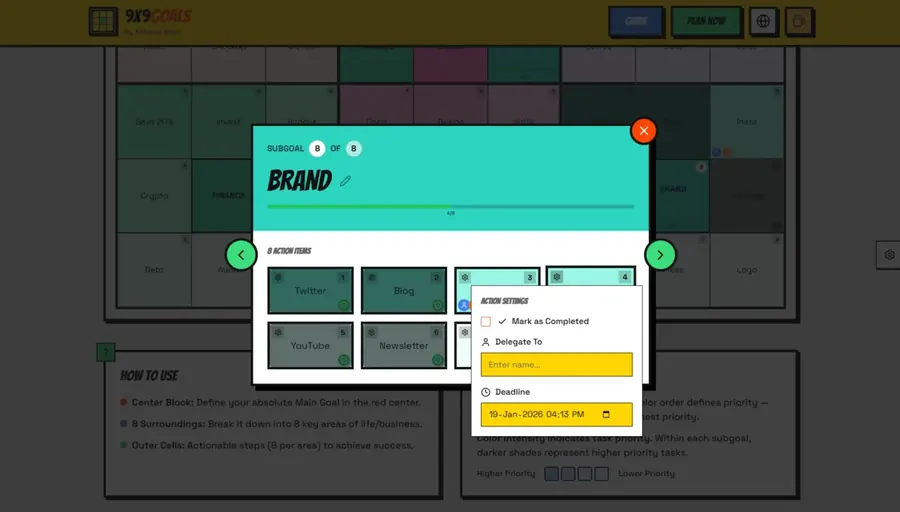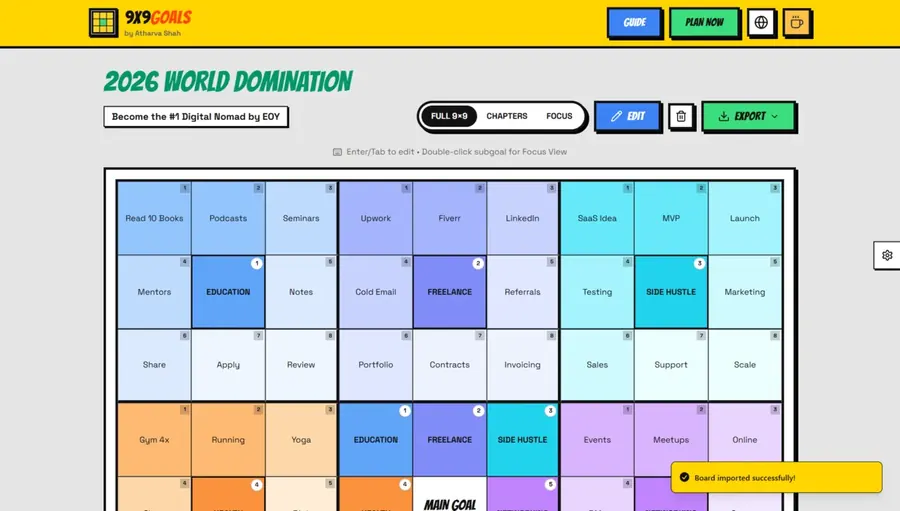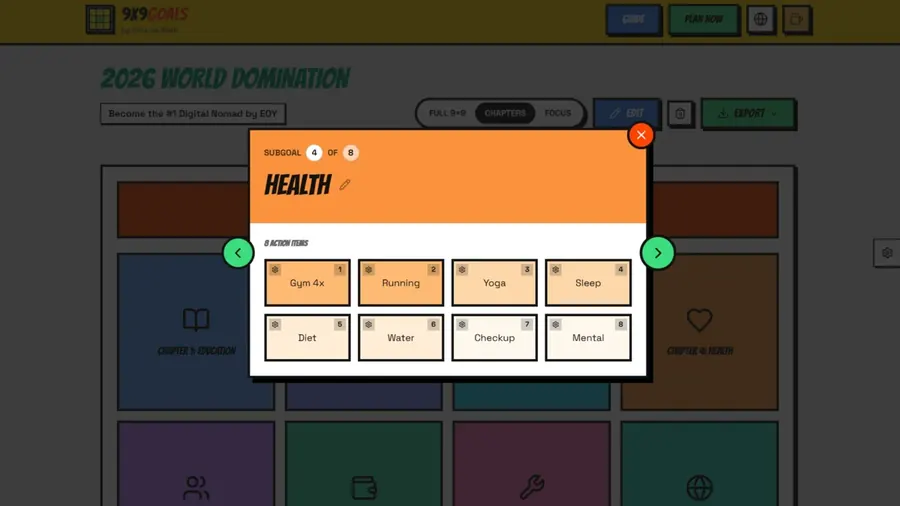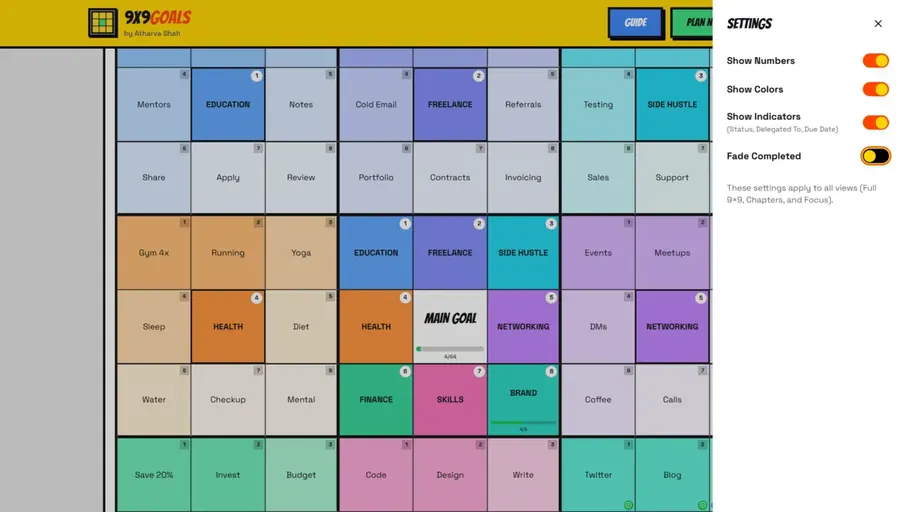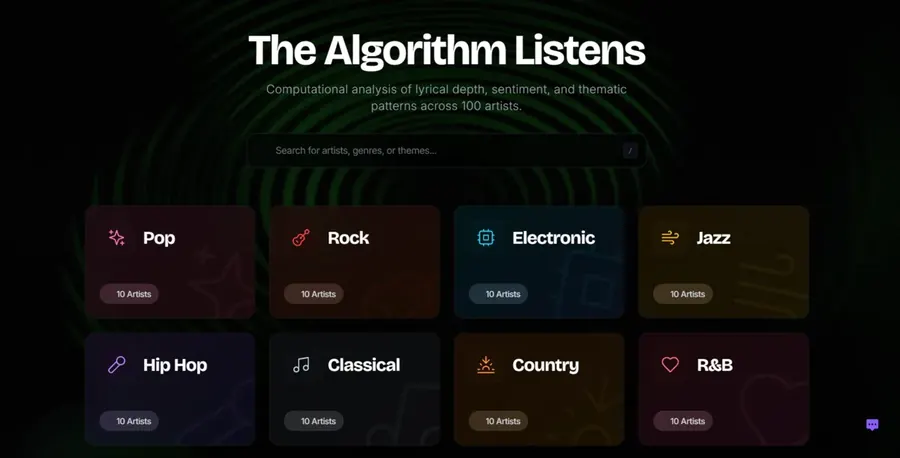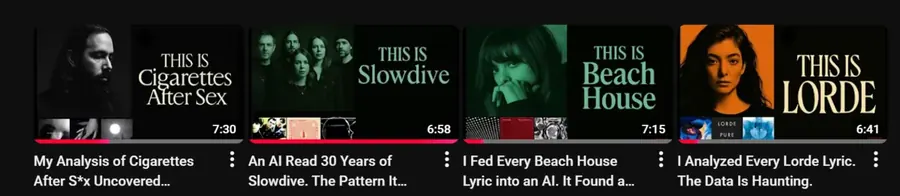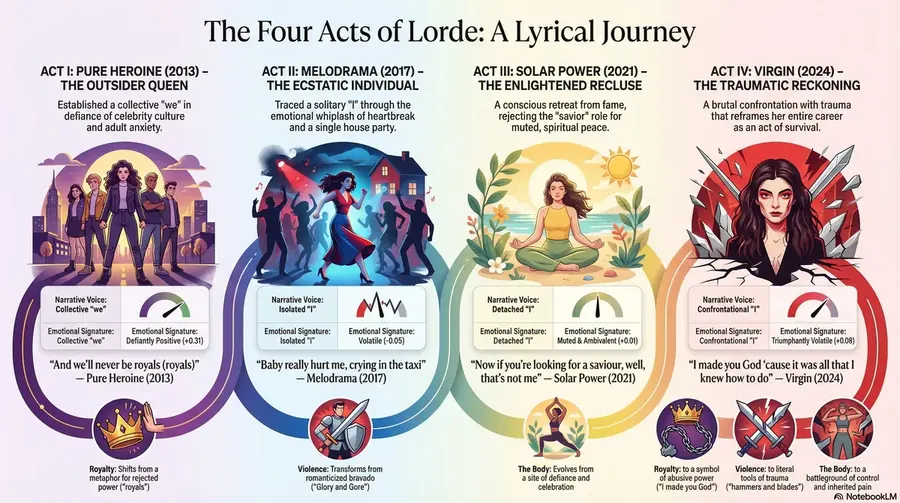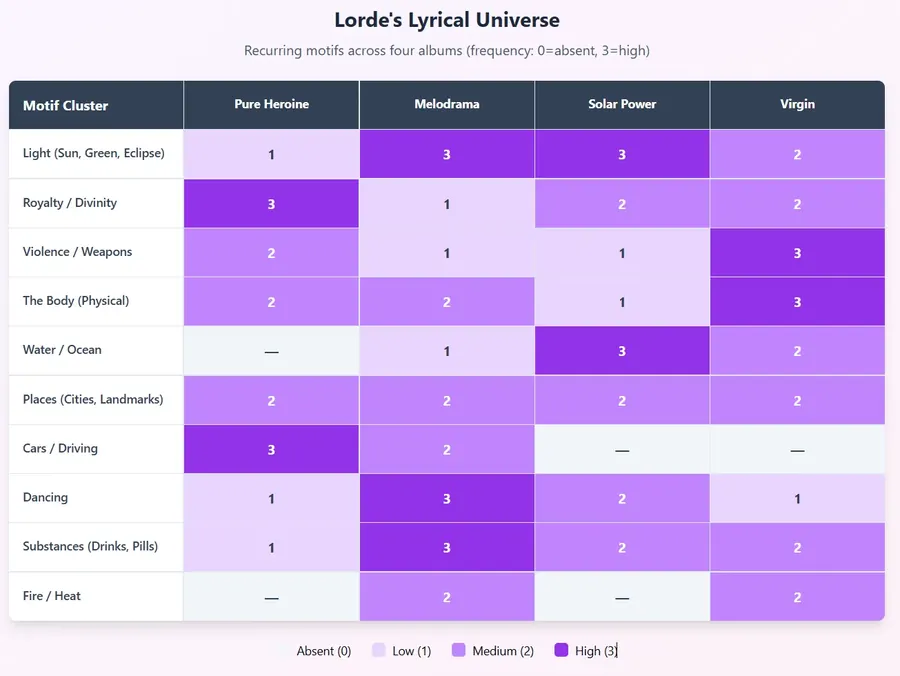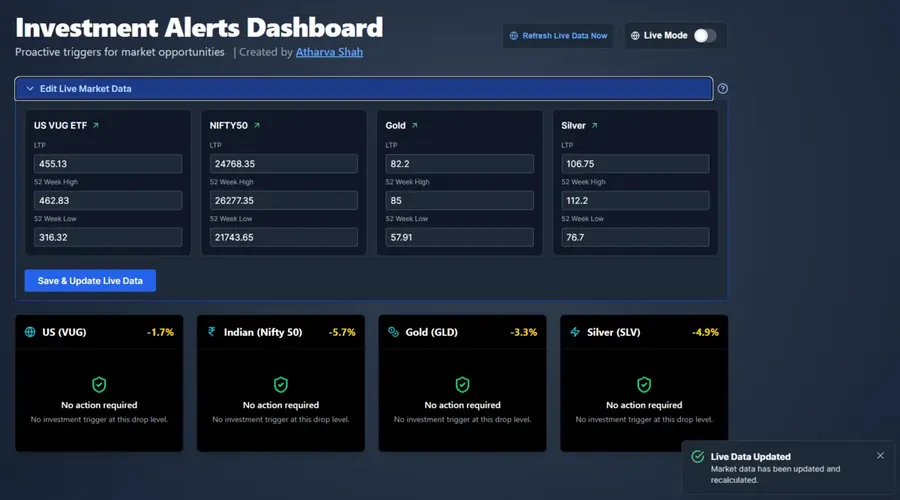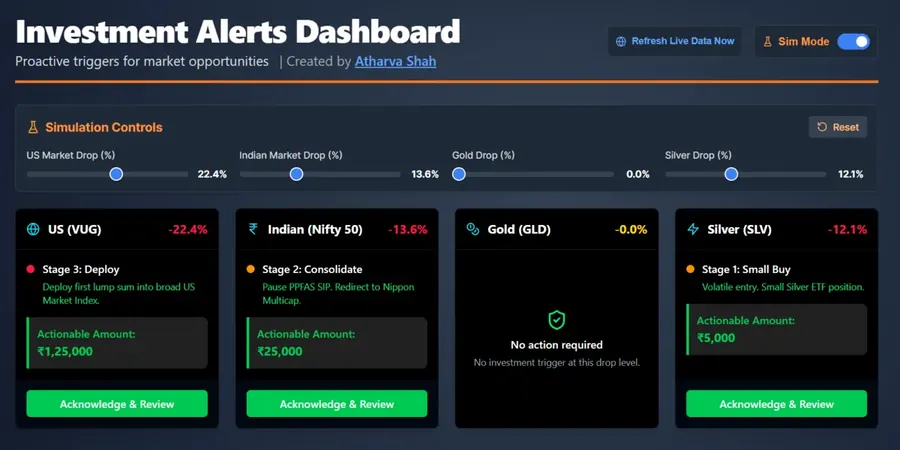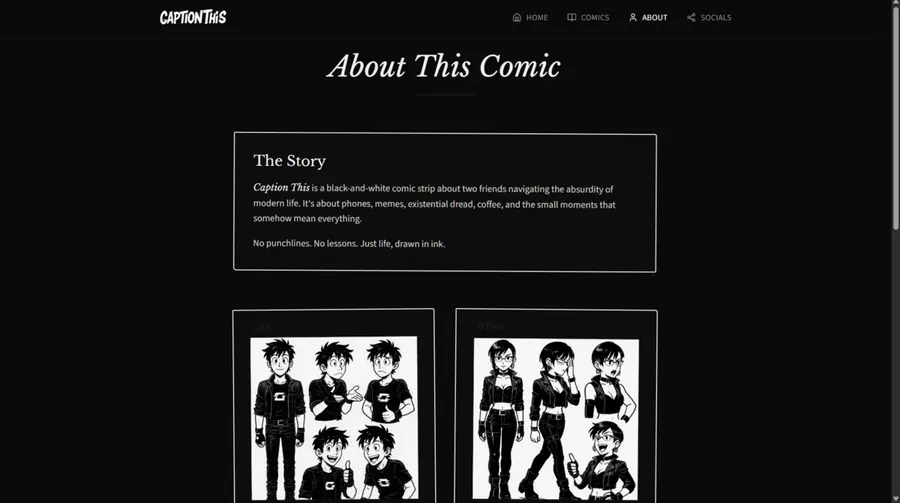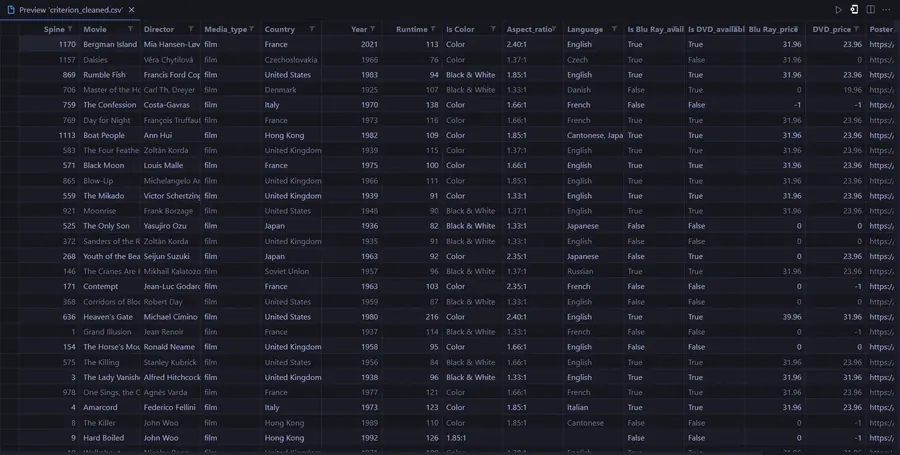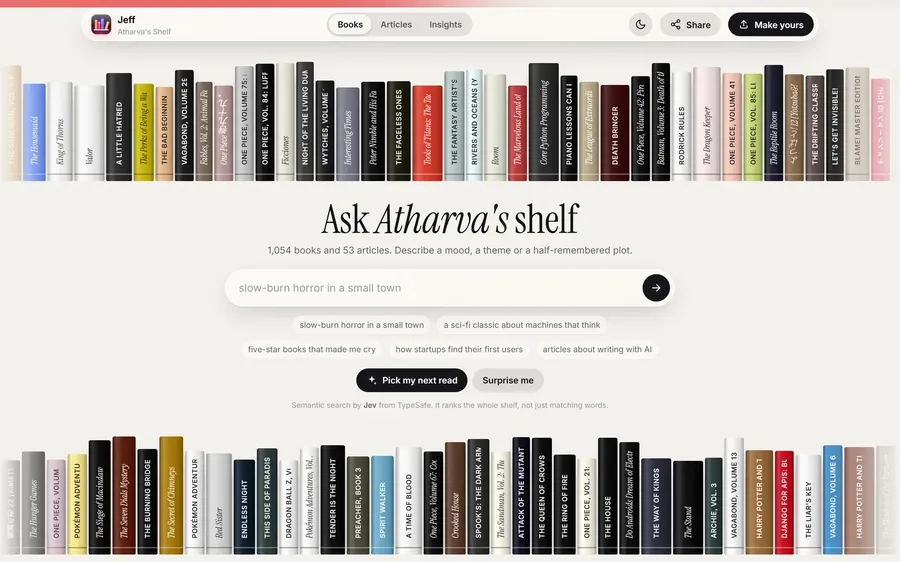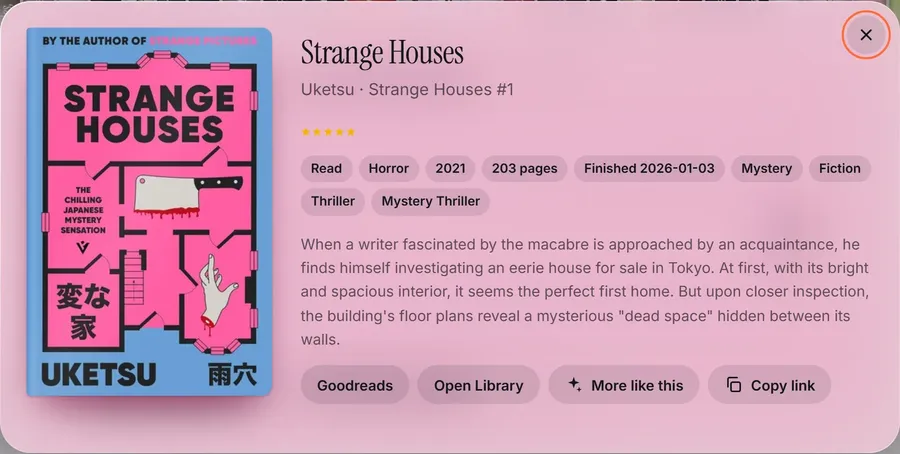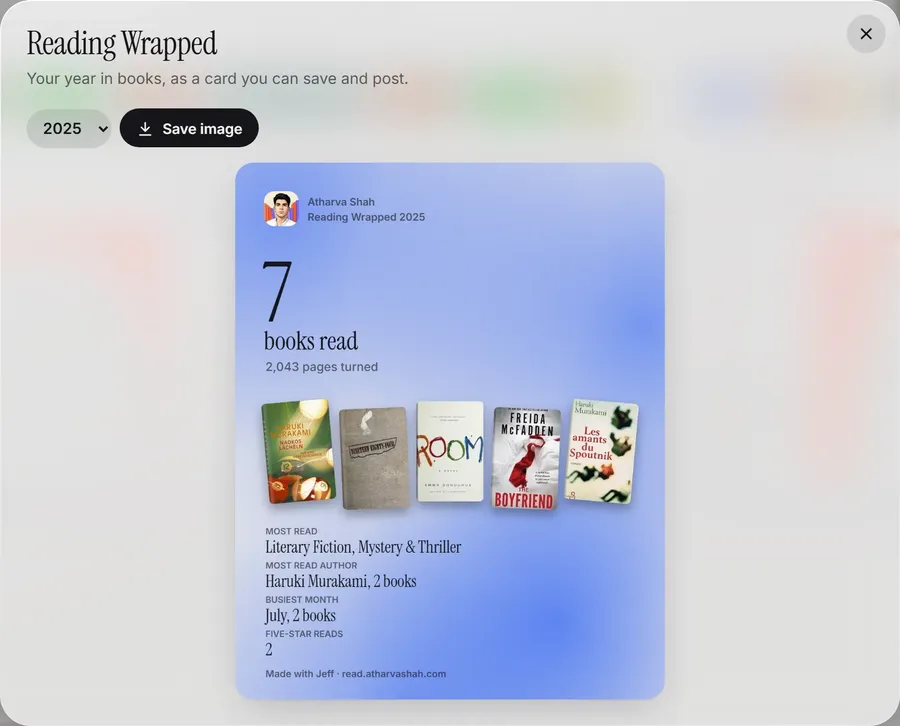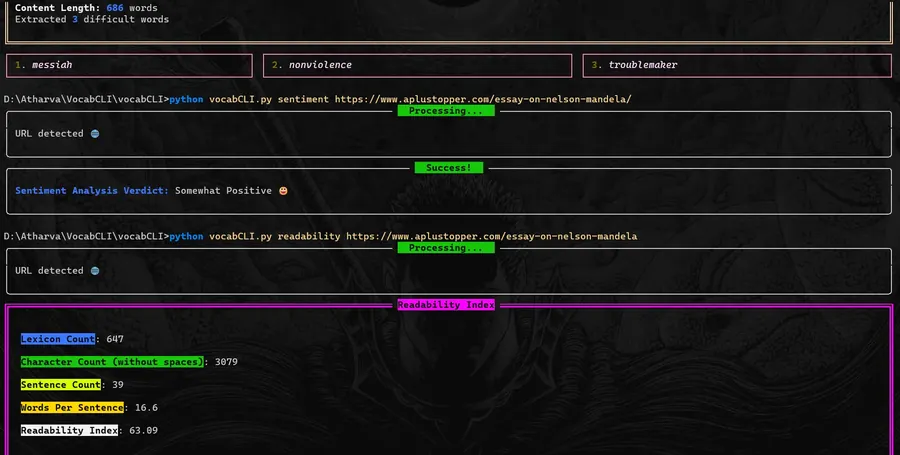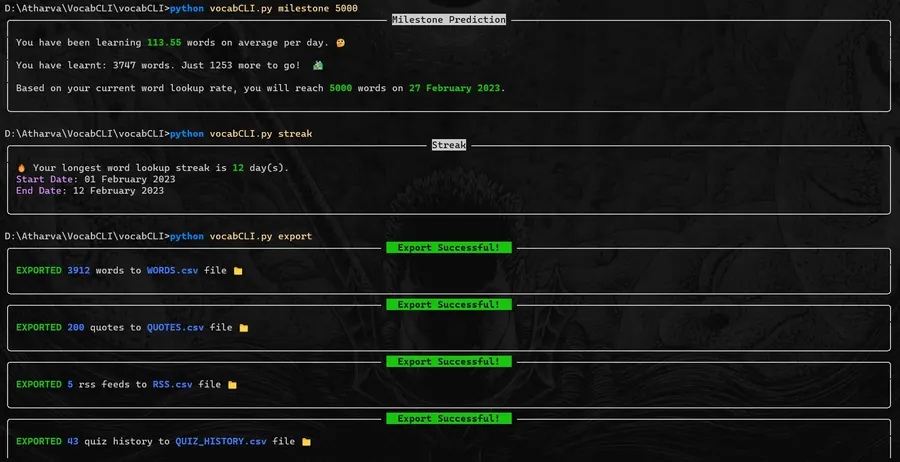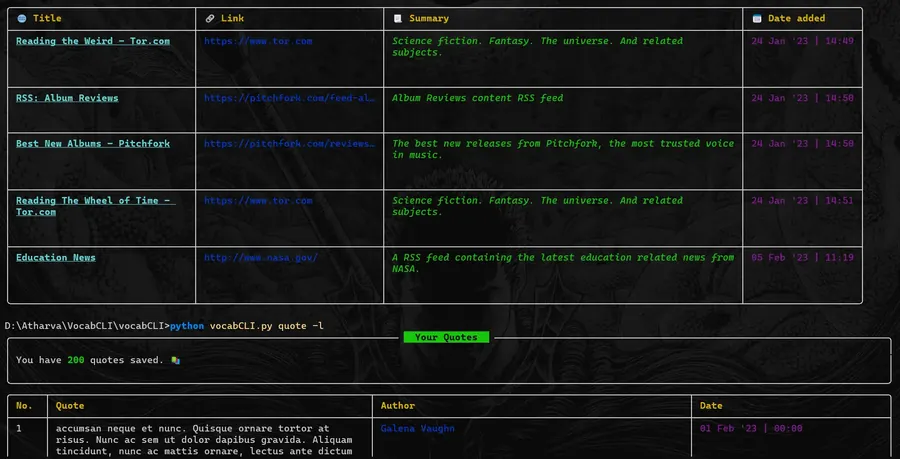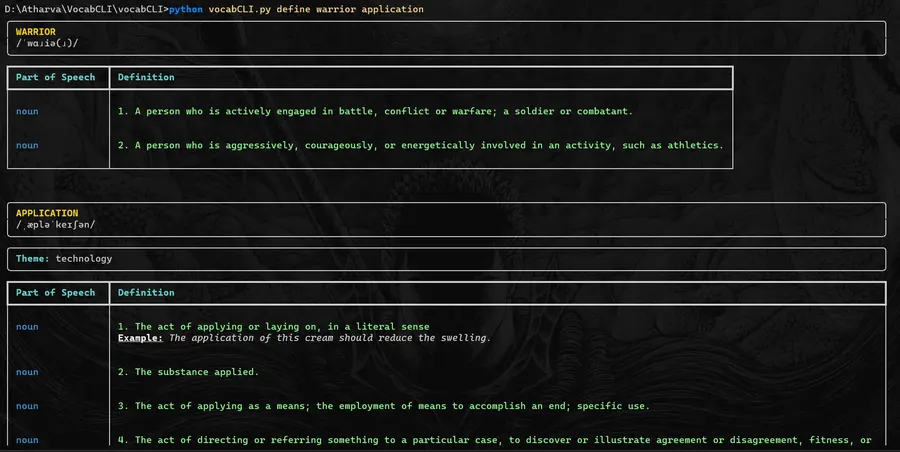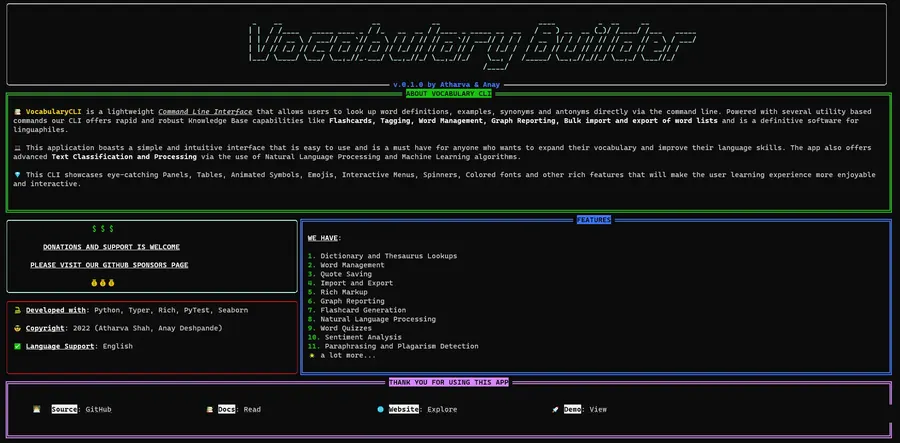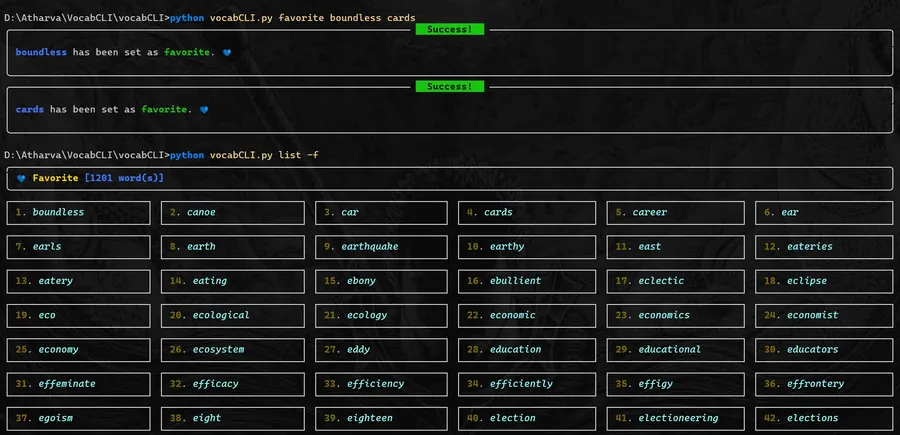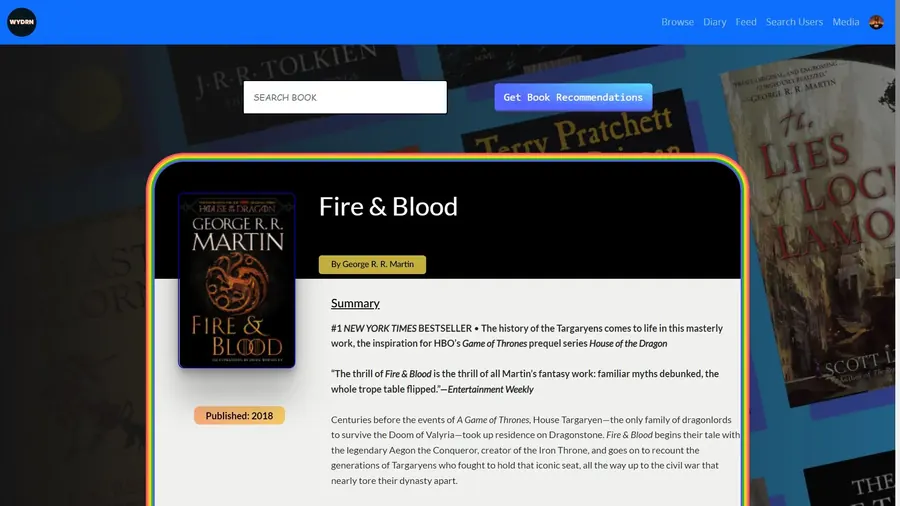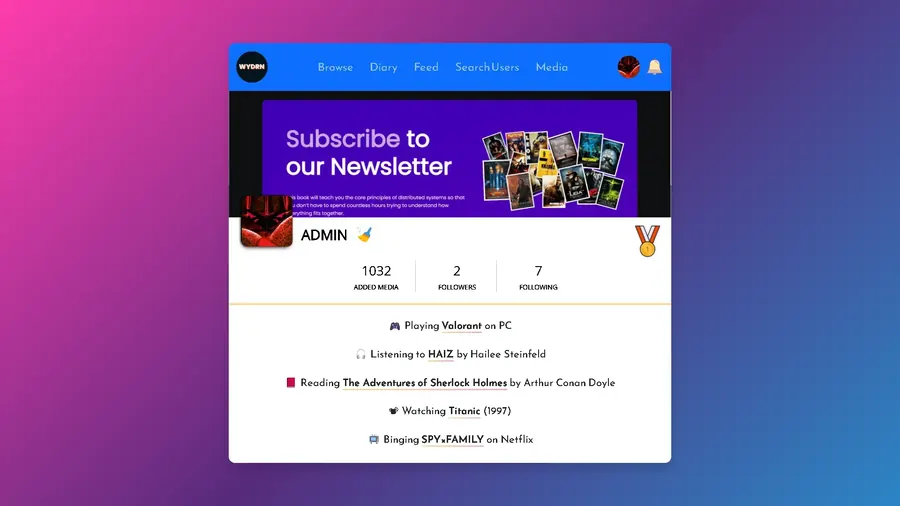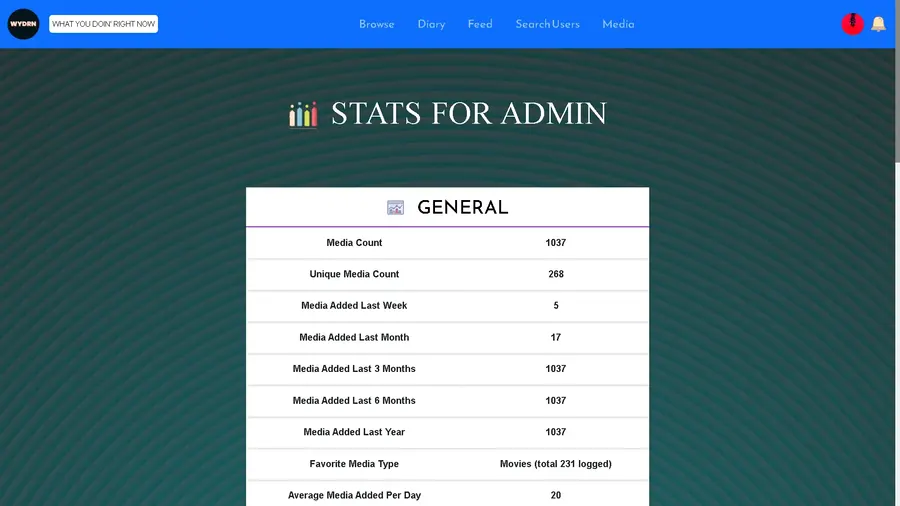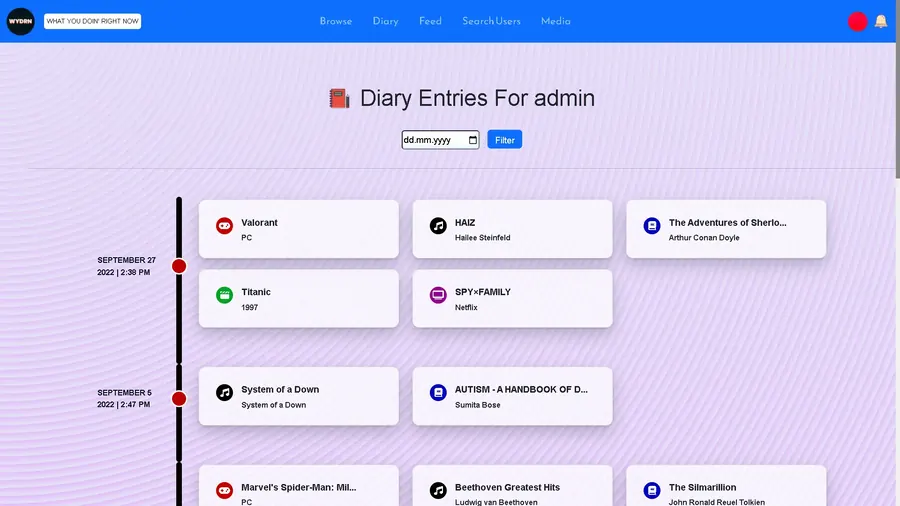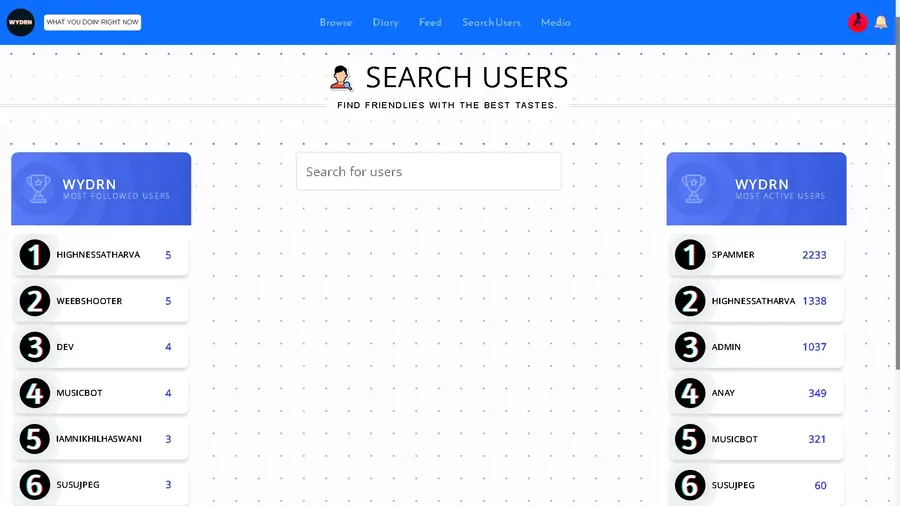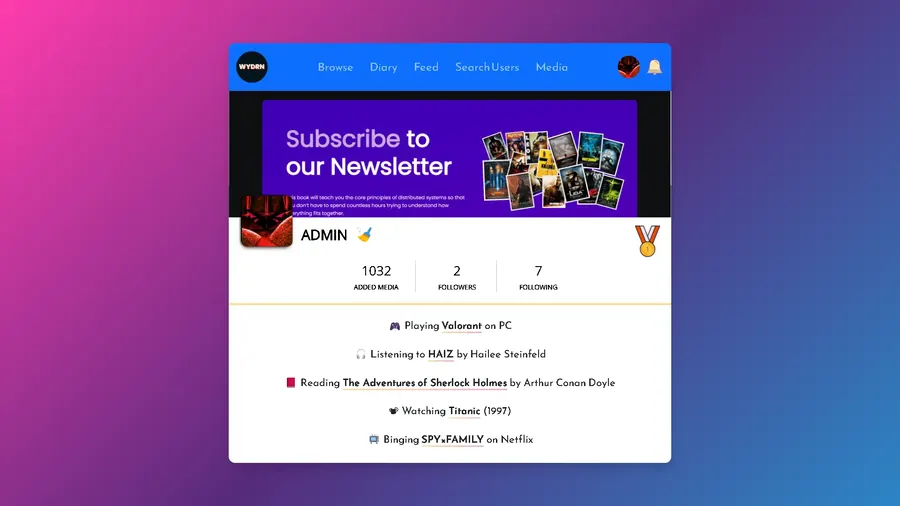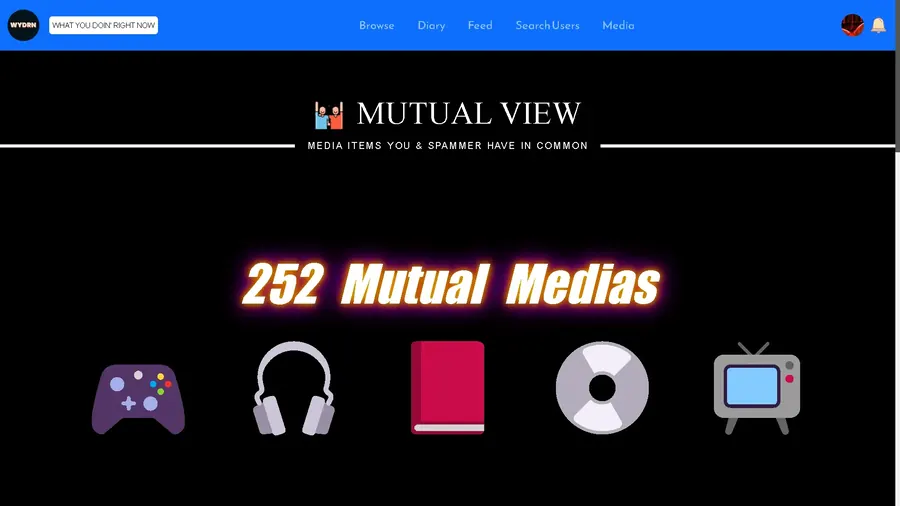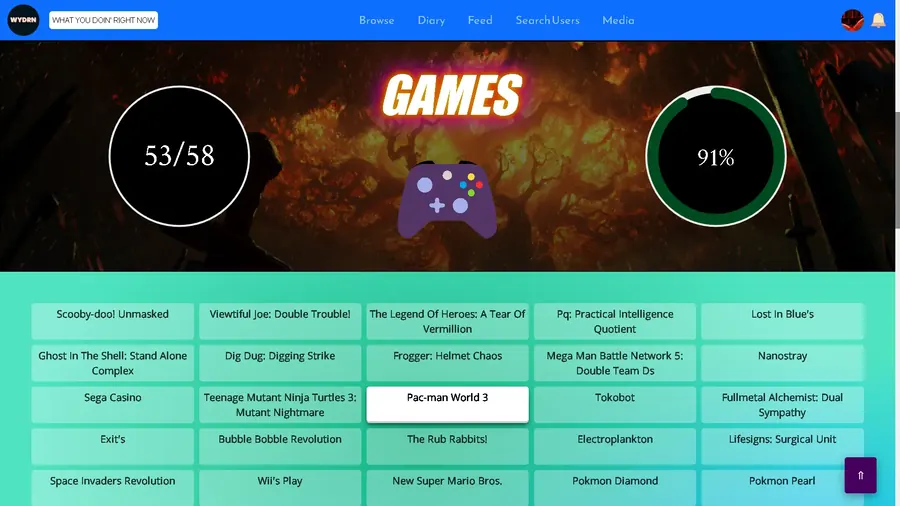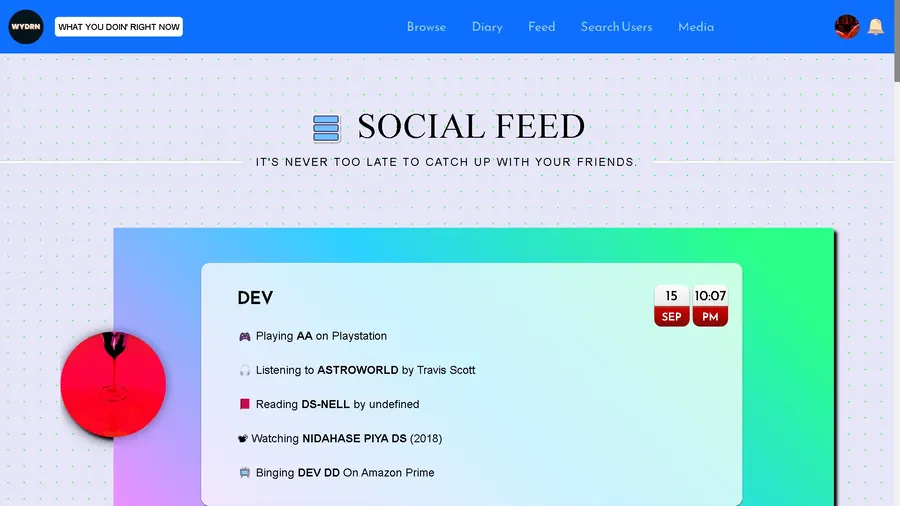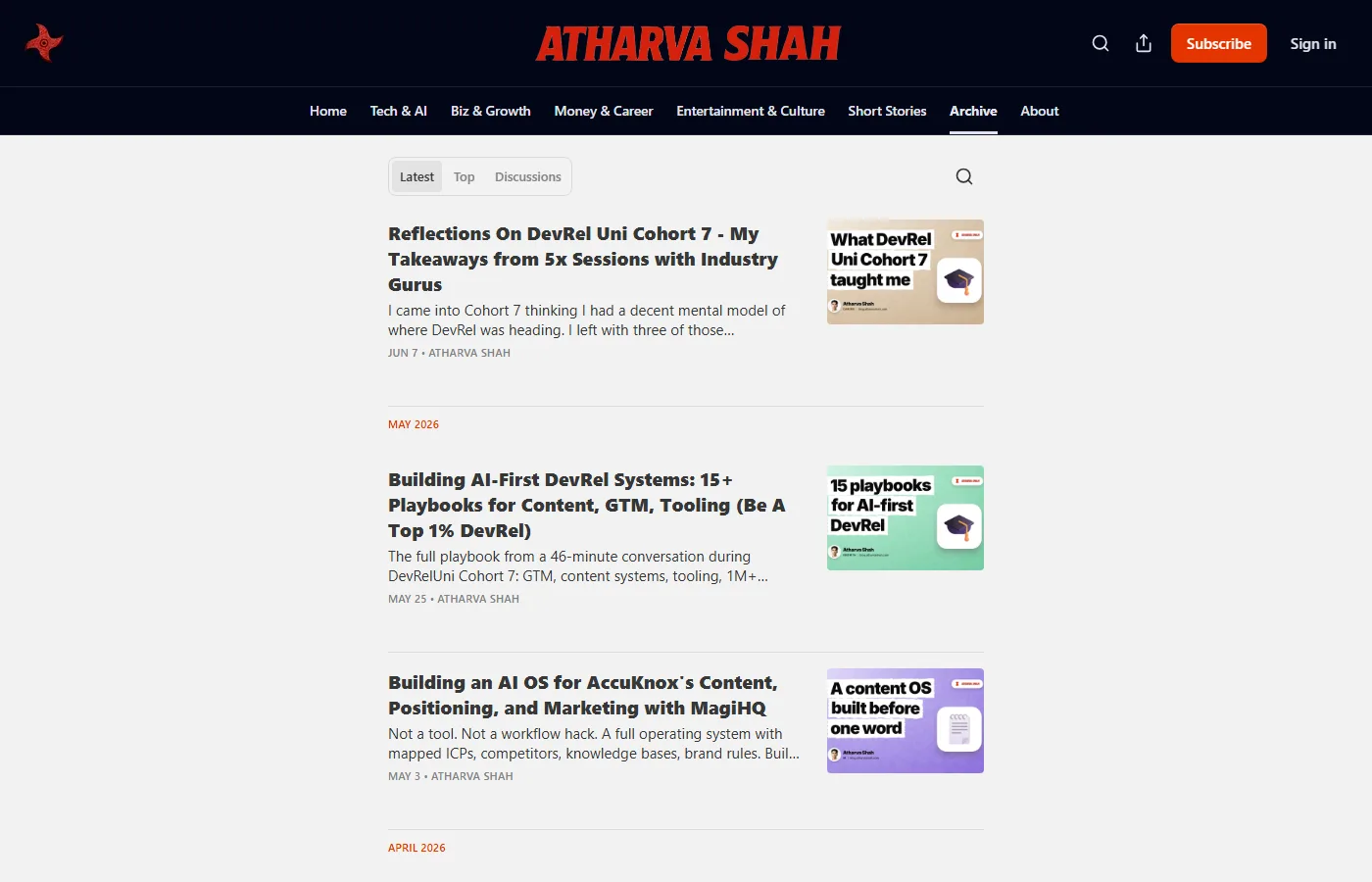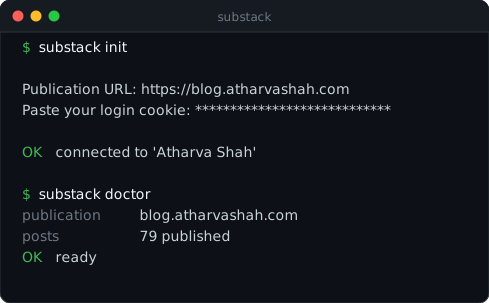
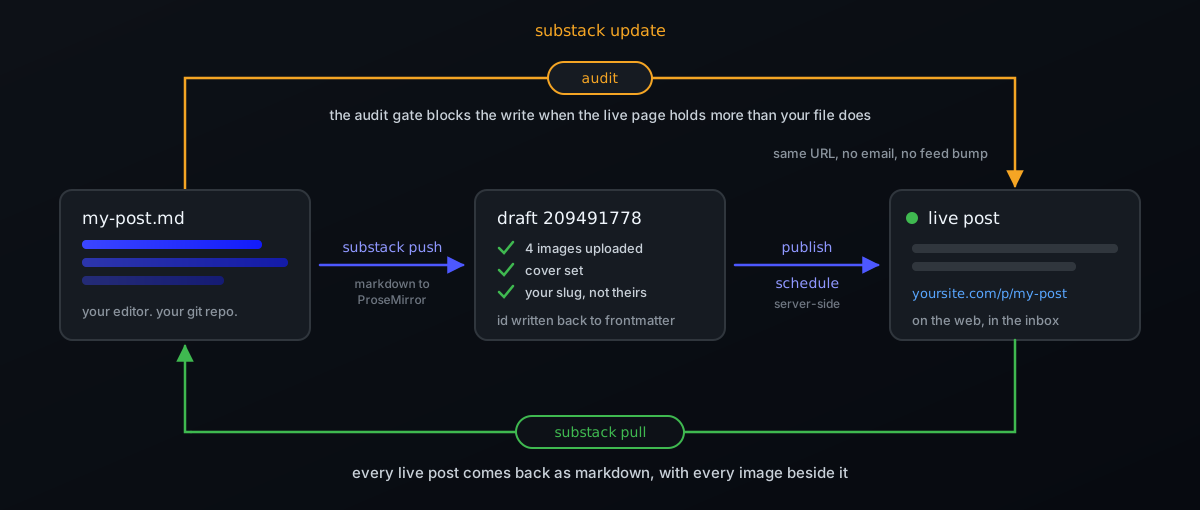
# Atharva Shah - full content > I build knowledge systems and AI harnesses that let one person ship like a team. Technical writing, DevRel, and growth engineering for B2B software. Generated: 2026-10-26 Single AI skill pages are not included. Each one is listed at https://atharvashah.com/ai-skills.md. --- # Atharva Shah > Full-stack developer, AI builder, and growth strategist. I build tools, write content, and ship products at the intersection of code, AI, and marketing. ## About I'm Atharva Shah, a developer, writer, and product thinker based in Mumbai, India. I work at the intersection of AI, web development, cloud-native security, and growth marketing. Currently working at AccuKnox on product marketing, DevRel, and technical content for cloud-native security products. I build web apps, Python automation pipelines, AI agents, and content systems. I've published 17 books and guides, written 24 technical articles, shipped 23 projects, and hold 19 certifications across data science, web development, and cloud computing. ## Links - Website: https://atharvashah.com - GitHub: https://github.com/HighnessAtharva - LinkedIn: https://www.linkedin.com/in/atharva-shah-tech/ - Substack: https://atharvashah.substack.com - Gumroad: https://highnessatharva.gumroad.com ## Sections - [Projects](https://atharvashah.com/projects.md): 23 shipped projects across tools, security, data & AI, productivity, and web apps - [Publications](https://atharvashah.com/publications.md): 17 books/guides and 24+ articles across FreeCodeCamp, AccuKnox, RealPython, and more - [Certifications](https://atharvashah.com/certifications.md): 19 certifications in data science, web development, computer science, and personal development - [Brag List](https://atharvashah.com/brag-list.md): 42 professional achievements with metrics - [Likes](https://atharvashah.com/likes.md): Personal favorites, covering books, games, music, films, tools, ideas, and more - [Services](https://atharvashah.com/work/knowledge-engineering.md): Freelance services in Knowledge Engineering, AI & Automation, Web Development, Growth Marketing, Technical Writing & Documentation, Product Management, and Gen-AI Creatives ## Services Offered - **Knowledge Engineering**: Your vault is a museum of ideas you never revisit, and no AI agent can read or write it without drifting. I build the knowledge base and graph that fix both, then wire AI into it. - **Technical Writing & Documentation**: Developers skip your docs once they go stale and start reading the source code instead. I write and maintain documentation that stays in sync with every release, so the docs earn the click back. - **AI & Automation**: A metered automation tool bills you more as it works harder, and its own editor still forces you back into custom scripts. I build the workflow once, priced once, and you own the code. - **Growth Hacking & Marketing Enablement**: Traffic is not the problem. Visitors get confused before they ever see the product and leave, while the SEO dashboard still reads green. I fix the conversion path and the AI visibility gap the dashboard cannot see. - **Web Development**: A platform site locks you into its own learning curve, and a non-developer founder ends up managing it alone. I build production sites in Next.js and React, and hand you code you can read. - **Gen-AI Creatives**: Raw AI output reads generic, and someone still has to fix the layout by hand before it ships. I run image, video, and audio through a pipeline with a human review step built in. - **Product Management & Roadmapping**: A PM platform can change its API right after your renewal and break your integrations, then force your product to fit its data model. I run the process in tools you already control. ## Skills - **Web Development**: React, TypeScript, Tailwind CSS, FastAPI, Flask, Node.js - **Marketing and Growth**: SEO, Ahrefs, Semrush, Apollo, Clay.io, Factors.ai - **Data Analysis & Reporting**: Python, Pandas, NumPy, Streamlit - **Agentic AI & Automation**: LangChain, OpenAI, GitHub Copilot, Midjourney - **Ghostwriting & SEO**: Technical Writing, Copywriting, Content Strategy, SEO Optimization - **DevOps & Security**: Kubernetes, AWS, Google Cloud, Docker ## Featured Projects - **Jeff**: A bookshelf you can ask questions. Type a mood, a theme or a half-remembered plot, and Jev ranks 1,054 Goodreads books a... - **substack-cli**: Substack has no public API, so I wrote one. Push, pull, schedule and publish posts from a terminal on the Python standar... - **groundtruth**: Every factual claim in a document gets tied to the exact words in its source. The tool refuses a claim it cannot find in... - **quotecard**: Paste a link, get a PNG. An X post, a Substack note, a Substack article, a Threads post, or any line you type becomes a ... - **AgentZ**: Co-created at AccuKnox. A zero-trust platform for running AI agents in production. Every agent is a Kubernetes pod in a ... - **Text Rhythm Visualizer**: Paste any prose and see the shape of your sentences: a rhythm graph, a sentence heatmap, a Flesch readability score, and... - **10xDevRel**: A toolkit for developer advocates. Fifteen step-by-step playbooks across launch, community, content, events, metrics and... - **KubeArmor AI CTF**: Co-created. A browser-first AI security capture-the-flag platform, built in a day and run as a four-day live event in Ju... - **9x9 Goals Grid Harada**: A brutalist, privacy-first take on the Harada Method. Turn one abstract goal into 81 concrete steps. No login, no databa... - **Algorithm Listens**: Computational text analysis of an artist through their complete body of work. Each essay rests on full lyrical analysis,... - **Reputation Analysis**: A machine learning tool that reads brand reputation across platforms using natural language processing and sentiment ana... - **What You Doing Right Now**: Real-time activity tracking with time logging, goal setting, and analytics on where the hours actually went.... - **Criterion Collection Scraper**: A scraper that turns the Criterion Collection catalogue into structured data: films, directors, release dates, and spine... - **Elden Ring Gallery**: An interactive gallery of Elden Ring screenshots and artwork, with filtering and search across the set. Built in React a... - **Food Online**: A food delivery application with user authentication, restaurant management, and real-time order tracking.... - **Media Analysis**: Analytics for social media content: sentiment scoring, engagement metrics, and trend identification, in Python with NLTK... ## Books & Guides - [Zero Trust Agentic AI Security](https://www.amazon.in/Zero-Trust-Agentic-Security-Governance-ebook/dp/B0G491VNQ6/), Runtime governance for agentic AI, written for teams that have to block a bad action before it executes. - [AI-Powered Zero Trust CNAPP Guide](https://www.amazon.in/AccuKnox-AI-Powered-Zero-Trust-CNAPP-ebook/dp/B0FH1QD9VY/), How a Cloud Native Application Protection Platform works once AI drives the triage instead of a human queue. - [KubeArmor, Runtime Security Enforcement](https://www.amazon.in/KubeArmor-Security-Enforcement-Atharva-Shah-ebook/dp/B0D33W522H/), Runtime policy enforcement for Kubernetes with KubeArmor, from the first policy to a cluster-wide rollout. - [The Python Decorator Handbook](https://www.freecodecamp.org/news/the-python-decorator-handbook/), Every decorator pattern in Python, from a plain wrapper to a class-based decorator that keeps state. - [Databricks Delta Lake with SQL Handbook](https://www.freecodecamp.org/news/databricks-sql-handbook/), Query and version a Delta Lake table from SQL, including time travel and the merge patterns teams get wrong. - [The FastAPI Handbook](https://www.freecodecamp.org/news/fastapi-quickstart/), Build, document and test a FastAPI service, with the request validation and dependency wiring done properly. - [Buyers Guide to CNAPP](https://highnessatharva.gumroad.com/l/advanced-cloud-security?layout=profile), What to ask a CNAPP vendor before you sign, and which answers signal a scanner wearing a platform badge. - [Zero Trust LLM Security](https://highnessatharva.gumroad.com/l/ai-llm-security), A security model for large language models in production, covering prompt abuse, model theft and data exit paths. - [Accelerate Cloud-Native Security with Ask Ada](https://highnessatharva.gumroad.com/l/ai-cloud-security), How an AI assistant reads cloud findings, ranks them by real blast radius, and hands back a fix. - [AppSec and CloudSec 2025 Definitive Guide](https://highnessatharva.gumroad.com/l/appsec-cloudsec-security), Where application security and cloud security overlap, and which control belongs on which side of the line. - [Application Security Posture Management, A Definitive Guide](https://highnessatharva.gumroad.com/l/gjmdk), Stand up ASPM across a code base, from asset inventory to the policy that actually fails a pipeline. - [Zero Trust Kubernetes Security, The Definitive Guide](https://accuknox.com/ebooks/zero-trust-kubernetes-security-definitive-guide), Zero Trust applied to a Kubernetes cluster, covering identity, network policy and runtime enforcement together. - [Runtime Security for Agentic AI Systems](https://accuknox.com/white-papers/runtime-security-ai-agents), A white paper on holding an autonomous agent to a policy while it runs, rather than auditing it afterward. - [Data Structures and Algorithms, Arrays](https://highnessatharva.gumroad.com/l/dsa-python-array), Array problems from LeetCode worked in Python, each one with the reasoning that gets you to the solution. - [Data Structures and Algorithms, Dynamic Programming](https://highnessatharva.gumroad.com/l/dsa-python-dynamic-programming), Dynamic programming in Python, built up from the recurrence rather than from a memorized table. - [Data Structures and Algorithms, Searching and Sorting](https://highnessatharva.gumroad.com/l/dsa-python-searching-sorting), Search and sort routines in Python, with the cost of each one stated before the code arrives. - [Data Structures and Algorithms, Graphs](https://highnessatharva.gumroad.com/l/dsa-python-graph), Graph traversal and shortest-path problems in Python, from the adjacency list to the interview answer. ## Contact - Email: hello@atharvashah.com - Booking: https://atharvashah.com (contact widget on site) --- Canonical: https://atharvashah.com Last updated: 2026-10-26 --- # Services, Scope, and Pricing > Seven ways I work with clients, each with the real scope, the deliverables, the process, and the price. No discovery call needed to see what it costs. ## Services - [Knowledge Engineering](https://atharvashah.com/work/knowledge-engineering): Your vault is a museum of ideas you never revisit, and no AI agent can read or write it without drifting. I build the knowledge base and graph that fix both, then wire AI into it. - [Technical Writing & Documentation](https://atharvashah.com/work/technical-writing): Developers skip your docs once they go stale and start reading the source code instead. I write and maintain documentation that stays in sync with every release, so the docs earn the click back. - [AI & Automation](https://atharvashah.com/work/ai-automation): A metered automation tool bills you more as it works harder, and its own editor still forces you back into custom scripts. I build the workflow once, priced once, and you own the code. - [Growth Hacking & Marketing Enablement](https://atharvashah.com/work/growth-marketing): Traffic is not the problem. Visitors get confused before they ever see the product and leave, while the SEO dashboard still reads green. I fix the conversion path and the AI visibility gap the dashboard cannot see. - [Web Development](https://atharvashah.com/work/web-development): A platform site locks you into its own learning curve, and a non-developer founder ends up managing it alone. I build production sites in Next.js and React, and hand you code you can read. - [Gen-AI Creatives](https://atharvashah.com/work/gen-ai-creatives): Raw AI output reads generic, and someone still has to fix the layout by hand before it ships. I run image, video, and audio through a pipeline with a human review step built in. - [Product Management & Roadmapping](https://atharvashah.com/work/product-management): A PM platform can change its API right after your renewal and break your integrations, then force your product to fit its data model. I run the process in tools you already control. --- Canonical: https://atharvashah.com/work Last updated: 2026-10-26 --- # Projects > 23 projects across 5 categories. ## Web Apps ### Jeff A bookshelf you can ask questions. Type a mood, a theme or a half-remembered plot, and Jev ranks 1,054 Goodreads books and 53 saved articles by meaning in about 2 seconds. Anyone can import their own Goodreads list and get a shelf with a link and a QR code. - **Tech**: TypeScript, Vite, Jev by TypeSafe, Netlify Functions, Open Library - **Tags**: Semantic search, Jev, Goodreads, Reading list, Second brain - **Demo**: https://read.atharvashah.com - **Featured**: Yes ### CaptionThis A daily four-panel comic strip that roasts finance, tech, media and fashion. Every strip is generated through a custom image pipeline and posted on a schedule. - **Tech**: React, Tailwind CSS, ChatGPT API - **GitHub**: https://github.com/HighnessAtharva/CaptionThis-Comics/ - **Demo**: https://atharvashah.com/captionthis - **Featured**: No ### Elden Ring Gallery An interactive gallery of Elden Ring screenshots and artwork, with filtering and search across the set. Built in React and TypeScript, live on GitHub Pages. - **Tech**: React, TypeScript, Tailwind CSS, Framer Motion - **GitHub**: https://github.com/HighnessAtharva/elden-ring-gallery - **Demo**: https://highnessatharva.github.io/Elden-Ring-Gallery/ - **Featured**: Yes ### Food Online A food delivery application with user authentication, restaurant management, and real-time order tracking. - **Tech**: React, Node.js, MongoDB, Express, Socket.io - **GitHub**: https://github.com/HighnessAtharva/FoodOnline - **Featured**: Yes ### Malazan Compendium A database and wiki for the Malazan Book of the Fallen, with character profiles, plot summaries, and interactive maps. - **Tech**: Next.js, PostgreSQL, Prisma, Tailwind CSS - **GitHub**: https://github.com/HighnessAtharva/Malazan-Compendium - **Demo**: https://highnessatharva.github.io/Malazan-Compendium/ - **Featured**: No ### Studio Ghibli Gallery A showcase of the Studio Ghibli films with detail pages, character profiles, and artwork galleries. Built in Vue and Nuxt against a public film API. - **Tech**: Vue.js, Nuxt.js, SCSS, API - **GitHub**: https://github.com/HighnessAtharva/Studio-Ghibli-Gallery - **Demo**: https://highnessatharva.github.io/Studio-Ghibli-Gallery/ - **Featured**: No ## CLI ### substack-cli Substack has no public API, so I wrote one. Push, pull, schedule and publish posts from a terminal on the Python standard library alone. The audit command reports exactly what an update would destroy first. - **Tech**: Python, ProseMirror, Substack API, Claude Code - **Tags**: CLI, Python, Substack, Automation, Agent-ready - **GitHub**: https://github.com/HighnessAtharva/substack-cli - **Demo**: https://github.com/HighnessAtharva/substack-cli - **Featured**: Yes ### groundtruth Every factual claim in a document gets tied to the exact words in its source. The tool refuses a claim it cannot find in your text, refuses a quote it cannot find in the source, and fails your build when either side moves. - **Tech**: Node.js, TypeScript, Markdown, CI - **Tags**: CLI, Node.js, Fact checking, CI, Open source - **GitHub**: https://github.com/HighnessAtharva/groundtruth - **Demo**: https://www.npmjs.com/package/@highnessatharva/groundtruth - **Featured**: Yes ### quotecard Paste a link, get a PNG. An X post, a Substack note, a Substack article, a Threads post, or any line you type becomes a branded quote card with your name and face on it. Every other tool for this is a web form, so this one is a CLI that batches a whole file. - **Tech**: Python, Playwright, Chromium, Typer - **Tags**: CLI, Python, Social, Images, Open source - **GitHub**: https://github.com/HighnessAtharva/quotecard - **Demo**: https://github.com/HighnessAtharva/quotecard - **Featured**: Yes ### VocabCLI An interactive command-line vocabulary builder with spaced repetition, progress tracking, and several learning modes. - **Tech**: Python, SQLite, Click, Rich, Typer - **GitHub**: https://github.com/HighnessAtharva/vocabcli - **Demo**: https://vocabcli.github.io/ - **Featured**: No ### MusiCLI A command-line music player with playlist management, lyric fetching, and audio visualisation, built on Python and Pygame. Published on PyPI. - **Tech**: Python, Click, Pygame, Requests, Rich - **GitHub**: https://github.com/HighnessAtharva/musicli - **Demo**: https://pypi.org/project/musicli/ - **Featured**: No ## Security & Infra ### AgentZ Co-created at AccuKnox. A zero-trust platform for running AI agents in production. Every agent is a Kubernetes pod in a default-deny sandbox, and a secret injection proxy means no agent ever holds a real credential. - **Tech**: TypeScript, Kubernetes, Cilium, OpenCode, OpenBao, MCP - **Tags**: AI Agents, Zero Trust, Security, Kubernetes, Co-created - **GitHub**: https://github.com/accuknox/agentZ - **Demo**: https://agentzharness.ai - **Featured**: Yes ### KubeArmor AI CTF Co-created. A browser-first AI security capture-the-flag platform, built in a day and run as a four-day live event in June 2026. Players break LLM instruction hierarchies and hijack tool-using agents. - **Tech**: Node.js, React, Claude API, Express, Docker - **Tags**: Security, AI, CTF, LLM, Co-created - **Demo**: https://ctf.kubearmor.io - **Featured**: Yes ## Web Tools ### Text Rhythm Visualizer Paste any prose and see the shape of your sentences: a rhythm graph, a sentence heatmap, a Flesch readability score, and five views. Nothing leaves the browser. - **Tech**: React, TypeScript, Tailwind CSS, Vite - **Tags**: Writing, Prose, NLP, Readability - **Demo**: https://atharvashah.com/text-rhythm - **Featured**: Yes ### 10xDevRel A toolkit for developer advocates. Fifteen step-by-step playbooks across launch, community, content, events, metrics and developer experience, four AI tools, and a moderated space for practitioners. - **Tech**: React, TypeScript, Tailwind CSS, tRPC, MySQL, shadcn/ui - **Tags**: DevRel, Playbooks, AI Tools, Community - **Demo**: https://10xdevrel.atharvashah.com/ - **Featured**: Yes ### AccuKnox Control Center An internal control center that unifies AccuKnox's team tools: social scheduling, marketing spend, credential sharing, quick quoting, and goal tracking. - **Tech**: React, TypeScript, Tailwind CSS - **Tags**: Internal, Dashboard, Team Tools - **Featured**: No ### 9x9 Goals Grid Harada A brutalist, privacy-first take on the Harada Method. Turn one abstract goal into 81 concrete steps. No login, no database, nothing stored off your device. - **Tech**: React, TypeScript, Tailwind CSS, Vite - **Demo**: https://www.atharvashah.com/9x9goals - **Featured**: Yes ### BuyDip An investment tool that takes the emotion out of buying. It shows how far a market sits below its all-time high, then acts on a threshold you set in advance. - **Tech**: ReactJS, Finance API, Node.js, REST API - **Demo**: https://www.atharvashah.com/buydip - **Featured**: No ### What You Doing Right Now Real-time activity tracking with time logging, goal setting, and analytics on where the hours actually went. - **Tech**: React, Firebase, Chart.js, PWA - **GitHub**: https://github.com/HighnessAtharva/WYDRN - **Featured**: Yes ## Data & AI ### Algorithm Listens Computational text analysis of an artist through their complete body of work. Each essay rests on full lyrical analysis, sentiment mapping and thematic clustering across everything they released. - **Tech**: Python, NLP, Sentiment Analysis, Text Mining, Pandas - **Demo**: https://atharvashah.com/algorithm-listens - **Featured**: Yes ### Reputation Analysis A machine learning tool that reads brand reputation across platforms using natural language processing and sentiment analysis. - **Tech**: Python, Scikit-learn, TensorFlow, Flask, Docker - **GitHub**: https://github.com/HighnessAtharva/CRIF-Hackathon-2023 - **Featured**: Yes ### Criterion Collection Scraper A scraper that turns the Criterion Collection catalogue into structured data: films, directors, release dates, and spine numbers. - **Tech**: Python, BeautifulSoup, Requests, JSON - **GitHub**: https://github.com/HighnessAtharva/Criterion-Collection - **Featured**: Yes ### Media Analysis Analytics for social media content: sentiment scoring, engagement metrics, and trend identification, in Python with NLTK. Deployed as a live Streamlit app. - **Tech**: Python, Pandas, NLTK, Matplotlib, Streamlit - **GitHub**: https://github.com/HighnessAtharva/Media-Analysis - **Demo**: https://highnessatharva-media-analysis-media-analysis-zhdell.streamlit.app/ - **Featured**: Yes --- Canonical: https://atharvashah.com/projects Last updated: 2026-10-26 --- # Publications > 17 books and guides, 24 articles, across 6 publishers. ## Author pages - [AccuKnox](https://accuknox.com/author/atharva), Cloud security vendor - [freeCodeCamp](https://www.freecodecamp.org/news/author/AtharvaShah/), Developer education - [TutorialsPoint](https://www.tutorialspoint.com/authors/atharva-shah), Developer education - [Real Python](https://realpython.com/team/ashah/), Developer education - [DEV Community](https://dev.to/highnessatharva), Developer community - [Self-published](https://highnessatharva.gumroad.com), Written and sold direct ## Books and guides ### Cloud Security - [AI-Powered Zero Trust CNAPP Guide](https://www.amazon.in/AccuKnox-AI-Powered-Zero-Trust-CNAPP-ebook/dp/B0FH1QD9VY/), How a Cloud Native Application Protection Platform works once AI drives the triage instead of a human queue. *(AccuKnox, Book)* - [Buyers Guide to CNAPP](https://highnessatharva.gumroad.com/l/advanced-cloud-security?layout=profile), What to ask a CNAPP vendor before you sign, and which answers signal a scanner wearing a platform badge. *(AccuKnox, Guide)* - [Accelerate Cloud-Native Security with Ask Ada](https://highnessatharva.gumroad.com/l/ai-cloud-security), How an AI assistant reads cloud findings, ranks them by real blast radius, and hands back a fix. *(AccuKnox, Guide)* ### Kubernetes Security - [KubeArmor, Runtime Security Enforcement](https://www.amazon.in/KubeArmor-Security-Enforcement-Atharva-Shah-ebook/dp/B0D33W522H/), Runtime policy enforcement for Kubernetes with KubeArmor, from the first policy to a cluster-wide rollout. *(AccuKnox, Book)* - [Zero Trust Kubernetes Security, The Definitive Guide](https://accuknox.com/ebooks/zero-trust-kubernetes-security-definitive-guide), Zero Trust applied to a Kubernetes cluster, covering identity, network policy and runtime enforcement together. *(AccuKnox, Guide)* ### AI Security - [Zero Trust Agentic AI Security](https://www.amazon.in/Zero-Trust-Agentic-Security-Governance-ebook/dp/B0G491VNQ6/), Runtime governance for agentic AI, written for teams that have to block a bad action before it executes. *(AccuKnox, Book)* - [Zero Trust LLM Security](https://highnessatharva.gumroad.com/l/ai-llm-security), A security model for large language models in production, covering prompt abuse, model theft and data exit paths. *(AccuKnox, Guide)* - [Runtime Security for Agentic AI Systems](https://accuknox.com/white-papers/runtime-security-ai-agents), A white paper on holding an autonomous agent to a policy while it runs, rather than auditing it afterward. *(AccuKnox, White paper)* ### Application Security - [AppSec and CloudSec 2025 Definitive Guide](https://highnessatharva.gumroad.com/l/appsec-cloudsec-security), Where application security and cloud security overlap, and which control belongs on which side of the line. *(AccuKnox, Guide)* - [Application Security Posture Management, A Definitive Guide](https://highnessatharva.gumroad.com/l/gjmdk), Stand up ASPM across a code base, from asset inventory to the policy that actually fails a pipeline. *(AccuKnox, Guide)* ### Python - [The Python Decorator Handbook](https://www.freecodecamp.org/news/the-python-decorator-handbook/), Every decorator pattern in Python, from a plain wrapper to a class-based decorator that keeps state. *(freeCodeCamp, Handbook)* ### Web Development - [The FastAPI Handbook](https://www.freecodecamp.org/news/fastapi-quickstart/), Build, document and test a FastAPI service, with the request validation and dependency wiring done properly. *(freeCodeCamp, Handbook)* ### Data and Analytics - [Databricks Delta Lake with SQL Handbook](https://www.freecodecamp.org/news/databricks-sql-handbook/), Query and version a Delta Lake table from SQL, including time travel and the merge patterns teams get wrong. *(freeCodeCamp, Handbook)* ### Algorithms - [Data Structures and Algorithms, Arrays](https://highnessatharva.gumroad.com/l/dsa-python-array), Array problems from LeetCode worked in Python, each one with the reasoning that gets you to the solution. *(Self-published, Ebook)* - [Data Structures and Algorithms, Dynamic Programming](https://highnessatharva.gumroad.com/l/dsa-python-dynamic-programming), Dynamic programming in Python, built up from the recurrence rather than from a memorized table. *(Self-published, Ebook)* - [Data Structures and Algorithms, Searching and Sorting](https://highnessatharva.gumroad.com/l/dsa-python-searching-sorting), Search and sort routines in Python, with the cost of each one stated before the code arrives. *(Self-published, Ebook)* - [Data Structures and Algorithms, Graphs](https://highnessatharva.gumroad.com/l/dsa-python-graph), Graph traversal and shortest-path problems in Python, from the adjacency list to the interview answer. *(Self-published, Ebook)* ## Articles ### Cloud Security - [Smart Container Security for Cloud-Native Apps](https://accuknox.com/blog/smart-container-security), Container protection that reads workload behavior instead of matching a signature list. *(AccuKnox)* - [DoD Cloud Security Playbook, the AccuKnox Approach](https://accuknox.com/blog/dod-cloud-security-playbook-accuknox), Mapping Department of Defense cloud requirements onto a working control set. *(AccuKnox)* - [Cloud vs On-Premise Security](https://accuknox.com/blog/cloud-vs-onpremise-security), Where the shared responsibility line moves, and which team owns each side of it. *(AccuKnox)* - [CNAPP Integration Tour](https://accuknox.com/blog/cnapp-integration-tour), A walk through the registry, pipeline and cloud connectors a CNAPP has to speak. *(AccuKnox)* ### Kubernetes Security - [How to Fortify D2iQ and Nutanix Clusters](https://accuknox.com/blog/fortify-d2iq-nutanix-clusters), Hardening steps for two Kubernetes distributions that ship different defaults. *(AccuKnox)* - [Hidden Vulnerabilities in Kubernetes Clusters](https://accuknox.com/blog/kubernetes-clusters-hidden-vulnerabilities), The cluster defaults that pass an audit and still leave a path to the node. *(AccuKnox)* ### AI Security - [Agentic AI Security and AI-SPM](https://accuknox.com/blog/agentic-ai-security-ai-spm), What posture management has to change once the workload can decide its own next call. *(AccuKnox)* - [Security Risks in DeepSeek R1](https://accuknox.com/blog/security-risks-deepseek-r1-modelknox), Model-level risks found in DeepSeek R1 and how ModelKnox scores them. *(AccuKnox)* - [AI Attacks on the Rise, How to Defend Your Cloud](https://accuknox.com/blog/ai-attacks-on-the-rise), The attack patterns that got cheaper once the attacker had a model, and the counters. *(AccuKnox)* ### Application Security - [AccuKnox ADR, Application Detection and Response](https://accuknox.com/blog/accuknox-adr-capabilities), What application detection and response covers that endpoint tooling never sees. *(AccuKnox)* ### Threat Research - [Space Satellite Cyber Security, Protecting the Final Frontier](https://accuknox.com/blog/space-satellite-cyber-security), The attack surface of an orbital platform, and what ground control can actually defend. *(AccuKnox)* - [Oracle Cloud Breach, CVE-2021-35587 Lessons and Mitigation](https://accuknox.com/blog/oracle-cloud-breach-cve-2021-35587), How the Access Manager flaw was reached, and the controls that would have stopped it. *(AccuKnox)* - [Preventing Volkswagen-Style Breaches with CNAPP](https://accuknox.com/blog/prevent-volkswagen-breach-with-cnapp), A misconfigured cloud store leaked 800,000 vehicle records. This traces the fix. *(AccuKnox)* ### Python - [How to Build a Tier List Maker in Python](https://www.freecodecamp.org/news/python-tier-list-maker/), Build a drag-and-rank tier list application in Python, start to finish. *(freeCodeCamp)* - [Flipkart Product Price Tracker using Python](https://www.tutorialspoint.com/flipkart-product-price-tracker-using-python), Scrape a product page on a schedule and alert when the price drops. *(TutorialsPoint)* - [Finding the Difference Between Images using PIL](https://www.tutorialspoint.com/finding-difference-between-images-using-pil), Compare two images pixel by pixel with Pillow and mark what changed. *(TutorialsPoint)* - [Get Information About a YouTube Channel using Python](https://www.tutorialspoint.com/get-information-about-youtube-channel-using-python), Read channel statistics from the YouTube Data API in a short Python script. *(TutorialsPoint)* ### Web Development - [Django Crypto App Part 1, Functional Requirements and Setup](https://dev.to/highnessatharva/django-crypto-app-part-1-functional-requirements-and-setup-3ji0), Scope the app, pick the models, and get a Django project running. *(DEV Community)* - [Django Crypto App Part 2, Templates, Views, and URLs](https://dev.to/highnessatharva/django-crypto-app-part-2-templates-views-and-urls-5cla), Build the request path, from a URL pattern through a view to a rendered template. *(DEV Community)* - [Django Crypto App Part 3, Wrap Up and Testing](https://dev.to/highnessatharva/django-crypto-app-part-3-wrap-up-and-testing-7e0), Cover the app with tests and get it ready to deploy. *(DEV Community)* - [Flask Project, Create a Joke App with PyJokes](https://www.tutorialspoint.com/flask-project-ndash-create-a-joke-app-with-pyjokes), A small Flask app that serves a random joke from the PyJokes library. *(TutorialsPoint)* - [Flask News Application using NewsAPI](https://www.tutorialspoint.com/flask-news-application-using-newsapi), A Flask news reader that pulls headlines from NewsAPI and caches them. *(TutorialsPoint)* ### Data and Analytics - [Get Financial Data from Yahoo Finance with Python](https://www.tutorialspoint.com/get-financial-data-from-yahoo-finance-with-python), Pull historical market data into a DataFrame and chart it. *(TutorialsPoint)* ### DevOps - [How to Set Up CI/CD to Netlify for Static Sites via GitHub](https://hackernoon.com/how-to-set-up-cicd-to-netlify-for-static-sites-via-github), Wire a GitHub repository to Netlify so every push ships a build. *(HackerNoon)* --- Canonical: https://atharvashah.com/publications Last updated: 2026-10-26 --- # Free Resources for AI Builders > Free guides on Claude Code and the LinkedIn feed, each written for your role, with a short brief and a checklist. Pick one and answer five short questions. ## Resources - [30 Claude Code Tips From the Inside](https://atharvashah.com/resources/claude-code-30-tips): How Claude Code loads context, spends tokens and decides what runs without you. Checked against the docs. - [The Claude Code Slash Command Cheat Sheet](https://atharvashah.com/resources/claude-code-slash-commands): Every slash command, grouped by job and searchable, with a note on when to run each one and one tap to copy. - [How the 2026 LinkedIn Feed Ranks Your Posts](https://atharvashah.com/resources/linkedin-feed-2026): What the 360Brew ranker reads, which formats win, and which advice is folklore. Every claim carries a source and a confidence note. --- Canonical: https://atharvashah.com/resources Last updated: 2026-10-26 --- # The Tools I Actually Use > Every app, service, and site in my working stack, sorted by job. AI tooling, marketing, outreach, design, launch boards, and the layouts I borrow from. --- Canonical: https://atharvashah.com/tools Last updated: 2026-10-26 --- # AI Security Product, GTM and Research > My role as product and GTM manager, technical writer and researcher on each AccuKnox AI security module, from prompt firewall to AI SOC, with proof. --- Canonical: https://atharvashah.com/ai-security Last updated: 2026-10-26 --- # Media Kit for Press and Events > Bio, headshots, stats, and speaking history. Free for press, podcast hosts, and event organizers to use with credit. Download the assets directly. --- Canonical: https://atharvashah.com/media-kit Last updated: 2026-10-26 --- # Certifications > 19 certifications across 4 categories. ## Data Science (10) - **Machine Learning by Andrew Ng**, Supervised & unsupervised learning, model evaluation, hands-on Octave/Python labs *(Stanford University)*, [Certificate](https://www.coursera.org/account/accomplishments/verify/CCZ2JWU82AUU) - **Deep Learning by Andrew Ng**, Neural networks, CNNs, RNNs, NLP & tuning deep models with TensorFlow/PyTorch projects *(deeplearning.ai)*, [Certificate](https://www.coursera.org/account/accomplishments/verify/S48CGXK7HTET) - **Python for Data Science, AI & Development**, Python, Pandas, APIs, and hands-on labs for analytics and data wrangling *(IBM)*, [Certificate](https://www.coursera.org/account/accomplishments/verify/EWDE3ZFH393P) - **Retrieving, Processing, and Visualizing Data with Python**, Data retrieval, cleaning, and visualization with Pandas, Matplotlib, and Seaborn *(University of Michigan)*, [Certificate](https://www.coursera.org/account/accomplishments/verify/CBSQ2ZQAQ8CP) - **Advanced SQL**, Complex queries, window functions, optimization & challenge-based exercises *(Kaggle Certification)*, [Certificate](https://www.kaggle.com/learn/certification/highnessatharva/advanced-sql) - **Data Cleaning**, Handling missing, inconsistent data and integrity checks in real-world datasets *(Kaggle Certification)*, [Certificate](https://www.kaggle.com/learn/certification/highnessatharva/data-cleaning) - **Data Visualization**, Visual storytelling with Matplotlib, Seaborn & Plotly interactive projects *(Kaggle Certification)*, [Certificate](https://www.kaggle.com/learn/certification/highnessatharva/data-visualization) - **Pandas**, Advanced Pandas: multi-indexing, time series & performance optimization *(Kaggle Certification)*, [Certificate](https://www.kaggle.com/learn/certification/highnessatharva/pandas) - **Python**, Python fundamentals with a focus on scripting, data types, and control flow *(Kaggle Certification)*, [Certificate](https://www.kaggle.com/learn/certification/highnessatharva/python) - **Intro to SQL**, SQL basics: SELECT, joins, filtering, aggregations and subqueries *(Kaggle Certification)*, [Certificate](https://www.kaggle.com/learn/certification/highnessatharva/intro-to-sql) ## Web Development (3) - **Front-End Development Libraries**, React, Redux, Bootstrap, and jQuery portfolio projects for UI mastery *(FreeCodeCamp)*, [Certificate](https://www.freecodecamp.org/certification/highness_atharva/front-end-development-libraries) - **Web Development with HTML, CSS, JavaScript**, Responsive layouts, JS DOM manipulation & modern CSS frameworks *(IBM)*, [Certificate](https://www.coursera.org/account/accomplishments/verify/KZNX3N8VYPFH) - **API Fundamentals Student Expert**, REST APIs, Postman testing, authentication and real-world API workflows *(Postman Certification)*, [Certificate](https://badgr.com/public/assertions/7Tuk8lN2QDmxiT0WaarW3Q) ## Computer Science (4) - **Algorithmic Toolbox**, Algorithms: greedy, dynamic programming, graph search & complexity analysis *(UC San Diego)*, [Certificate](https://www.coursera.org/account/accomplishments/verify/G3DB3D2JVVHD) - **IT Support Specialization**, End-to-end IT support: troubleshooting, system admin & security basics *(Google)*, [Certificate](https://www.coursera.org/account/accomplishments/professional-cert/8RV95XPT4M7Y) - **Cloud Computing**, Virtualization, containers, cloud models & orchestration techniques *(IBM)*, [Certificate](https://www.coursera.org/account/accomplishments/verify/LXJW8BH7D8DM) - **Cloud Facilitator**, GCP fundamentals: compute, storage, IAM & Qwiklabs achievement badges *(GCP)*, [Certificate](https://drive.google.com/file/d/1pDkjjssKHjSKGZszw2IjeEXCe0Q4ZN15/view?usp=sharing) ## Personal Development (2) - **The Science of Well-Being**, Positive psychology, habit formation & building resilience strategies *(Yale University)*, [Certificate](https://www.coursera.org/account/accomplishments/verify/YMAC43XMK8LD) - **Learning How to Learn**, Cognitive science tools for memory retention, focus & learning mastery *(Coursera)*, [Certificate](https://www.coursera.org/account/accomplishments/verify/4AWPYRSCGA86) --- Canonical: https://atharvashah.com/certifications Last updated: 2026-10-26 --- # Likes > Things I enjoy, admire, and draw inspiration from. ## Books - The Name of the Wind - Dune - Malazan Book of the Fallen - The Hobbit - The Three-Body Problem - The Left Hand of Darkness - The Expanse - The Stormlight Archive - Discworld - The Wheel of Time ## Games - Elden Ring - Hollow Knight - The Witcher 3 - Disco Elysium - Celeste - Dark Souls - Slay the Spire - Baldur's Gate 3 - Persona 5 - Hades - The Legend of Zelda - Super Mario Odyssey - Stardew Valley - Portal 2 - Undertale - Minecraft - Firewatch - Journey ## Blogs - Wait But Why - Paul Graham Essays - Overreacted - Stratechery - LessWrong - Farnam Street - Joel on Software - Seth's Blog - Nikita Voloboev - Julia Evans ## Podcasts - Darknet Diaries - Lex Fridman Podcast - The Knowledge Project - Revisionist History - Radiolab - 99% Invisible - The Daily - Acquired - The Tim Ferriss Show - Song Exploder ## Music - Radiohead - Pink Floyd - Daft Punk - Hans Zimmer - Ludovico Einaudi - The Beatles - Kendrick Lamar - Arctic Monkeys - ODESZA - Bonobo ## Films - Inception - Spirited Away - The Godfather - Blade Runner 2049 - Parasite - The Grand Budapest Hotel - The Dark Knight - Whiplash - Arrival - The Matrix ## Tools - VS Code - Notion - Obsidian - Figma - Zotero - Git - Raycast - Arc Browser - Tailscale - Alfred - Python - React - Tailwind CSS - Linux ## Quirks - Collecting Notebooks - Synthwave Playlists - Speedrunning Wikipedia - Making Spreadsheets for Fun - Tracking Habits - Trying New Fonts - Organizing Bookmarks - Learning Keyboard Shortcuts - Customizing Dotfiles - Building Personal Dashboards ## Humans - Paul Graham - Elon Musk - Marie Curie - Ada Lovelace - Alan Turing - Richard Feynman - Steve Jobs - Grace Hopper - Srinivasa Ramanujan - Carl Sagan ## Organizations - OpenAI - NASA - Mozilla - EFF - Wikipedia - Khan Academy - FreeCodeCamp - Linux Foundation - Creative Commons - Internet Archive ## Ideas - Effective Altruism - Open Source Everything - Remote Work - Digital Minimalism - Universal Basic Income - Decentralization - Lifelong Learning - Interdisciplinary Thinking - Science Communication - Personal Knowledge Management - Growth Mindset - First Principles Thinking - Antifragility - Stoicism - Systems Thinking - Beginner's Mind - Moonshot Thinking - Serendipity - Radical Candor - Deep Work ## Talks - How Great Leaders Inspire Action - The Power of Vulnerability - Do Schools Kill Creativity? - Your Body Language May Shape Who You Are - Inside the Mind of a Master Procrastinator - The Puzzle of Motivation - The Art of Stillness - The Surprising Science of Happiness - What Makes a Good Life? - The Power of Introverts --- Canonical: https://atharvashah.com/likes Last updated: 2026-10-26 --- # Algorithm Listens > Data & AI Computational text analysis of an artist through their complete body of work. Each essay rests on full lyrical analysis, sentiment mapping and thematic clustering across everything they released. ## Tech Stack - Python - NLP - Sentiment Analysis - Text Mining - Pandas ## Links - **Demo**: https://atharvashah.com/algorithm-listens --- Canonical: https://atharvashah.com/projects/algorithm-listens Last updated: 2026-10-26 --- # CaptionThis > Web Apps A daily four-panel comic strip that roasts finance, tech, media and fashion. Every strip is generated through a custom image pipeline and posted on a schedule. ## Tech Stack - React - Tailwind CSS - ChatGPT API ## Links - **GitHub**: https://github.com/HighnessAtharva/CaptionThis-Comics/ - **Demo**: https://atharvashah.com/captionthis --- Canonical: https://atharvashah.com/projects/captionthis Last updated: 2026-10-26 --- # 9x9 Goals Grid Harada > Web Tools A brutalist, privacy-first take on the Harada Method. Turn one abstract goal into 81 concrete steps. No login, no database, nothing stored off your device. ## Tech Stack - React - TypeScript - Tailwind CSS - Vite ## Links - **Demo**: https://www.atharvashah.com/9x9goals --- Canonical: https://atharvashah.com/projects/9x9goals Last updated: 2026-10-26 --- # Text Rhythm Visualizer > Web Tools Paste any prose and see the shape of your sentences: a rhythm graph, a sentence heatmap, a Flesch readability score, and five views. Nothing leaves the browser. ## Tech Stack - React - TypeScript - Tailwind CSS - Vite ## Tags - Writing - Prose - NLP - Readability ## Links - **Demo**: https://atharvashah.com/text-rhythm --- Canonical: https://atharvashah.com/projects/text-rhythm Last updated: 2026-10-26 --- # 10xDevRel > Web Tools A toolkit for developer advocates. Fifteen step-by-step playbooks across launch, community, content, events, metrics and developer experience, four AI tools, and a moderated space for practitioners. ## Tech Stack - React - TypeScript - Tailwind CSS - tRPC - MySQL - shadcn/ui ## Tags - DevRel - Playbooks - AI Tools - Community ## Links - **Demo**: https://10xdevrel.atharvashah.com/ --- Canonical: https://atharvashah.com/projects/devrel-workbench Last updated: 2026-10-26 --- # KubeArmor AI CTF > Security & Infra Co-created. A browser-first AI security capture-the-flag platform, built in a day and run as a four-day live event in June 2026. Players break LLM instruction hierarchies and hijack tool-using agents. ## Tech Stack - Node.js - React - Claude API - Express - Docker ## Tags - Security - AI - CTF - LLM - Co-created ## Links - **Demo**: https://ctf.kubearmor.io --- Canonical: https://atharvashah.com/projects/kubearmor-ai-ctf Last updated: 2026-10-26 --- # AI Skills by Atharva Shah > 39 agent skills for Claude Code, Codex CLI, Gemini CLI, Cursor, GitHub Copilot. Each skill is a SKILL.md folder that does one job the same way every run. Buy one from $19 or all of them for $199. 2 more are built to order. - Library page: https://atharvashah.com/skill-pack - Catalog JSON: https://atharvashah.com/ai-skills.json - Buy the full library: https://buy.polar.sh/polar_cl_cjRMtJdFu6frlQcTrolGwUfPIXmvzmbDud98917J99Z - Questions: email hello@atharvashah.com ## Writing and voice - [Deslop Audit](https://atharvashah.com/ai-skills/deslop-audit.md) ($49): Scores a draft for machine tells, then reviews it, interviews you, or rewrites it clean. Best for: humanizer skill for Claude. - [Thinker Lens](https://atharvashah.com/ai-skills/thinker-lens.md) ($49): Rewrites your piece through the method of Graham, Munger, Feynman, and five more. Best for: Claude writing style skill. - [Substack Writing Harness](https://atharvashah.com/ai-skills/substack-writing-harness.md) ($49): Triage the idea, draft the essay, and push the score to zero before you publish. Best for: AI Substack writing. - [Substack Publisher](https://atharvashah.com/ai-skills/substack-publisher.md) ($49): Push, update, and publish Substack drafts and Notes from your own files, and schedule releases. Best for: Substack API. - [Corpus Rule Rollout](https://atharvashah.com/ai-skills/corpus-rule-rollout.md) ($19): Applies one new writing rule across hundreds of files without losing a sentence. Best for: content linting. - [Outline Interviewer](https://atharvashah.com/ai-skills/outline-interviewer.md) ($19): Interviews you one question at a time, then builds the outline for the channel you picked. Best for: blog outline generator. - [Short Story Engine](https://atharvashah.com/ai-skills/short-story-engine.md) ($19): Layered short fiction in five veins, from psychological horror to quiet introspection. Best for: AI short story writer. ## Growth and outreach - [Marketing X-Ray](https://atharvashah.com/ai-skills/marketing-xray.md) ($49): A behavioral-science interrogation of your offer that ends in seven ranked moves. Best for: Claude skill for marketing strategy. - [Signals Proposal](https://atharvashah.com/ai-skills/signals-proposal.md) ($49): Turns what buyers say in public into ranked actions, content ideas, and keywords. Best for: Claude skill for social listening. - [Dream 100 Outreach](https://atharvashah.com/ai-skills/dream-100-outreach.md) ($49): Scores your ideal prospects, researches each one, and writes the message and the gift. Best for: Dream 100 outreach. - [GTM Toolbelt](https://atharvashah.com/ai-skills/gtm-toolbelt.md): Decides which tool owns each outbound job, then runs prospecting, warm-up, and listening at the lowest cost. Best for: Claude skill for outbound prospecting. - [YC Founder Outreach](https://atharvashah.com/ai-skills/yc-outreach.md): Screens a YC batch for founders who can buy, finds a verified email, and drafts one personal note each. Best for: Claude skill for Y Combinator founder outreach. - [SEO Blog Grader](https://atharvashah.com/ai-skills/seo-blog-grader.md) ($19): Grades an article for search and for writing quality, then hands back the fixes. Best for: AI SEO blog grader. - [One-Action Sales Copy](https://atharvashah.com/ai-skills/sales-copy.md) ($19): Landing pages and email sequences built around the single action the reader takes. Best for: Claude copywriting skill. ## Visuals and decks - [Social Card Studio](https://atharvashah.com/ai-skills/social-card-studio.md) ($49): Designed post images built from real screenshots and real output, rendered at 2x. Best for: LinkedIn post image generator. - [TLDR One-Pager](https://atharvashah.com/ai-skills/tldr-one-pager.md) ($19): Compresses a video, an article, or a PDF into one editorial page you can post. Best for: one page summary generator. - [Terminal Diagrams](https://atharvashah.com/ai-skills/terminal-diagrams.md) ($19): Dense monospace system maps and flowcharts from a one-line prompt, dark and light. Best for: Claude diagram skill. - [Photo Carousel Planner](https://atharvashah.com/ai-skills/photo-carousel-planner.md) ($49): A raw camera roll becomes graded, grouped, captioned carousels on a posting schedule. Best for: organize photos for Instagram post. - [Talk Deck Builder](https://atharvashah.com/ai-skills/talk-deck-builder.md) ($49): A black, high-contrast PowerPoint for your own talk, with a meme after every claim. Best for: Claude PPTX skill. - [HTML Slide Deck](https://atharvashah.com/ai-skills/html-slide-deck.md) ($19): One self-contained HTML file that presents with arrow keys. No PowerPoint needed. Best for: Claude HTML slides skill. - [Chat Screenshot Studio](https://atharvashah.com/ai-skills/chat-screenshots.md) ($19): High-resolution images of a human and AI conversation, styled for a post or a slide. Best for: chat screenshot maker. - [Quote Card Factory](https://atharvashah.com/ai-skills/quote-cards.md) ($19): Any post or line of text becomes a clean quote card image, one or a hundred. Best for: quote card generator. ## Video and film - [Video Editing OS](https://atharvashah.com/ai-skills/video-editing-os.md) ($49): Edit talking heads, tutorials, and montages by describing the cut in plain English. Best for: Claude Code video editing skill. - [AI Cinema Director](https://atharvashah.com/ai-skills/ai-cinema-director.md) ($49): Locked character sheets and cinema-grade video prompts for Higgsfield and Seedance. Best for: Seedance prompts. ## Research and knowledge - [Talk to Illustrated Notes](https://atharvashah.com/ai-skills/video-to-illustrated-notes.md) ($49): Turns a YouTube talk into notes that carry the real slides and diagrams inline. Best for: YouTube video to notes AI. - [Photo Filename Annotator](https://atharvashah.com/ai-skills/photo-filename-annotator.md) ($19): Renames every photo from what is in the frame, so a camera roll becomes searchable. Best for: rename photos by content with AI. - [Code Chats to Content](https://atharvashah.com/ai-skills/code-chats-to-content.md) ($19): Mines a quarter of your Copilot chats for the problems worth writing about. Best for: export Copilot chat history. - [Deep Research Librarian](https://atharvashah.com/ai-skills/deep-research.md) ($19): Finds the playbooks, courses, videos, and practitioners on a topic and files them. Best for: deep research skill for Claude. - [Site to Knowledge Note](https://atharvashah.com/ai-skills/site-to-note.md) ($19): Scrapes a paginated site into one linked note with cross-references both ways. Best for: website to markdown for LLM. - [Bookmark Intelligence](https://atharvashah.com/ai-skills/bookmark-intelligence.md) ($19): Pulls your YouTube likes and X bookmarks into local files you can search and study. Best for: export Twitter bookmarks. ## Agents and engineering - [Rule Rewriter](https://atharvashah.com/ai-skills/rule-rewriter.md) ($19): Audits your CLAUDE.md and skill files for rules written for older models, then fixes them. Best for: CLAUDE.md best practices. - [Hidden API Finder](https://atharvashah.com/ai-skills/hidden-api-finder.md) ($19): Finds the real endpoint behind a web app button by reading its JavaScript, read-only. Best for: reverse engineer website API. - [Merge Ready](https://atharvashah.com/ai-skills/merge-ready.md) ($49): Takes a branch from code that exists to a pull request ready for final review. Best for: Claude Code review skill. ## Everyday social - [LinkedIn Posts](https://atharvashah.com/ai-skills/linkedin-posts.md) ($19): Posts in your voice that pick a proven format before they write a single line. Best for: LinkedIn post generator. - [LinkedIn Carousels](https://atharvashah.com/ai-skills/linkedin-carousels.md) ($19): Swipeable carousels with every slide exported as a PNG from one brief. Best for: LinkedIn carousel maker AI. - [X Posts](https://atharvashah.com/ai-skills/x-threads.md) ($19): Standalone X posts with your take in the first six words, scored before you see them. Best for: X post generator. - [Substack Notes](https://atharvashah.com/ai-skills/substack-notes.md) ($19): Short Notes written to bring new subscribers, not just likes from existing ones. Best for: Substack Notes strategy. - [Reel Scripts](https://atharvashah.com/ai-skills/reel-scripts.md) ($19): Sixty-second scripts with the overlay text, the caption, and the pinned comment. Best for: Instagram Reel script generator. - [Content Calendar](https://atharvashah.com/ai-skills/content-calendar.md) ($19): A posting schedule as one interactive HTML calendar, with a specific title on every slot. Best for: AI content calendar. - [Infographic Maker](https://atharvashah.com/ai-skills/infographics.md) ($19): One infographic or a matched series, with the style and layout picked to fit your content. Best for: AI infographic generator. - [Hard Conversation Prep](https://atharvashah.com/ai-skills/hard-conversations.md) ($19): The script, the talking points, and the answers to the pushback you expect. Best for: difficult conversation script. ## Frequently asked questions ### What is a Claude skill? A Claude skill is a folder with a SKILL.md file plus any scripts it needs. Claude reads the description, loads the skill when your request matches it, and follows its method. The same folder works in Codex CLI, Gemini CLI, Cursor, and GitHub Copilot through the Agent Skills open standard. ### Is there a marketplace for Claude skills? Several directories list free community skills. This library sells finished, tested skills one by one or as a set, each with a setup guide and a sales page that shows real output. ### Are people selling Claude skills? Yes. Skill authors sell them as one-time downloads. Every skill here costs between $19 and $49 once, or $199 for the full library. ### Can I use Claude skills for free? Skills run on any paid Claude plan with Claude Code at no extra cost per run. Free community skills exist. These are paid because each one carries a tested method, scripts, and checks. ### How do I add skills to Gemini CLI? Gemini CLI reads Agent Skills folders. Copy the skill folder into the skills directory Gemini CLI documents, then restart the session so it picks the skill up. ### Do skills work in Claude Code? Yes. Claude Code loads skills from ~/.claude/skills or a project .claude/skills folder and triggers them from your request. ### How do I install an agent skill? Copy the skill folder into your agent's skills directory: ~/.claude/skills for Claude Code, or the skills folder your agent documents for Codex CLI, Gemini CLI, Cursor, or Copilot. The agent reads the description and loads the skill when your request matches it. Each skill ships with a setup guide for any tool it needs. --- # LinkedIn Profile Monitoring > Track who views and engages your LinkedIn profile, and turn that signal into a pipeline. What the tool does, what it costs, and how to start. --- Canonical: https://atharvashah.com/linkedin-monitoring Last updated: 2026-10-26 --- # Case Studies > How I helped security, data and AI teams tell a clearer story, ship better docs and run leaner marketing, with an honest note on what did not change. ## Case studies - [Giving AccuKnox One Clear Story and a Marketing Engine It Owns](https://atharvashah.com/case-studies/accuknox): A clear platform story, help docs that keep pace with the product, and a marketing stack the team owns. - [Turning Four Scattered Doc Sites Into One That People and AI Agents Can Use](https://atharvashah.com/case-studies/altimate-ai): One documentation home for every product, readable by people and by AI assistants. - [Turning a DevRel Book Into a Workbench Teams Come Back To](https://atharvashah.com/case-studies/10x-devrel): Years of DevRel know-how turned into a product teams can use, with a free tier and a paid plan. - [Building an AI Lead Pipeline on Data Foundations That Hold Up at Scale](https://atharvashah.com/case-studies/elantis-ai): An AI lead pipeline for a services firm and its partners, on a data layer that stays fast under load. - [Giving a Team’s AI Tools the Same Context as Its Best People](https://atharvashah.com/case-studies/company-second-brain): A team’s scattered knowledge turned into one system that people and AI agents can both work from. --- Canonical: https://atharvashah.com/case-studies Last updated: 2026-10-26 --- # Giving AccuKnox One Clear Story and a Marketing Engine It Owns > AccuKnox was moving into AI security, and buyers could no longer tell what the company sold. I rebuilt the story around its platform, brought the help docs up to date, and moved marketing onto tools the team runs itself. - Client: AccuKnox - Sector: Cloud and AI security - Role: Principal DevRel and Senior Technical Writer - Period: May 2023 to now ## A Clearer Story, a Leaner Stack, and a Reputation Buyers Can Check - Search reach that kept compounding. Referring domains and domain rating climbed steadily through March 2025. - A marketing stack the team owns, at a tenth of the cost. Agency tools gave way to AI-native ones, from about $4,000 to about $400 a month. - A top 10 CNAPP vendor on Gartner Peer Insights. Reviews grew from near zero to about 60. - Help docs that keep pace with every release. 200+ pages, with release notes from v2.8 to v3.4. - Research-backed content for security buyers. 10+ whitepapers built on GigaOm, IDC, Forrester and Gartner research. - Authority that search engines reward. Domain rating rose to 61, with 168 new referring domains. > "People are saying I don’t know what you’re selling." (AccuKnox CEO, Homepage review, winter 2025) ## Buyers Could Not Tell What AccuKnox Sold AccuKnox held a strong position in cloud security search, and the market was moving toward AI security. The homepage tried to speak to both buyers at once. It used analyst category terms where a buyer looks for the names of tools they already run. Behind the homepage, the help docs had fallen behind the product. Marketing ran through an agency, on tools bought at enterprise prices for jobs a standard plan could do. ## Keep the Market It Had While Moving Into a New One Winter 2025: The CEO repeated what buyers told him. They could not tell what AccuKnox sold. The obvious move was to point the whole site at AI security. That would give up the cloud security position the company already had. I proposed keeping both, with one fixed order for every part of the platform, so each page tells the same story. ## Three Shortcuts That Would Have Cost the Company Its Position - Point the whole site at AI security: It would trade an audience the company already had for a category where it had no rank yet. - Bambora for visitor identification: It matched fewer than one visitor in ten, too few to act on. - Keep paying the agency stack: An audit showed the same work could run on tools the team owns, for a fraction of the cost. ## One Story, Told the Same Way on Every Page ### One order for every part of the platform Twelve modules, from AI security to cloud entitlements, always in the same order. That order now drives the homepage, the navigation, the sales decks and every piece of collateral. ### A homepage built around what buyers recognize Tool icons a buyer knows replaced analyst jargon. New sections cover SIEM, CDR and secrets, and a call to action appears as the reader scrolls. ### A marketing stack the team runs itself SensorHub listens to market conversations, MagiHQ holds the brand knowledge, and Gojiberry runs outreach. A quote generator replaced the pricing spreadsheet. ### Help docs treated as part of the product More than 200 pages, with release notes for every version from v2.8 to v3.4. ### Content mapped to the platform story Blogs, whitepapers, press releases, and platform and solution pages, each one tied to a module. Stack: MkDocs, SensorHub, MagiHQ, Gojiberry, Lovable, Search Console, Brevo ## A Leaner Stack and a Stronger Reputation | Metric | Before | After | |---|---|---| | Marketing tool spend | About $4,000 a month | About $400 a month | | Gartner Peer Insights reviews | Near zero | About 60, top 10 in CNAPP | | Search impressions and clicks | Prior year | About double | | Mentions in AI answers | Prior year | About double | | Time spent on help pages | Baseline | Nearly three times longer | ## Revenue Impact Is the Open Question - Pipeline attribution: Reach, reviews and citations all moved. I cannot yet show which deals they influenced, and that is the next thing to measure. A positioning problem shows up first as a sentence a buyer says out loud. Write that sentence down before you touch the homepage. ## Related - [accuknox.com](https://www.accuknox.com) - [The help docs](https://help.accuknox.com) --- Canonical: https://atharvashah.com/case-studies/accuknox Last updated: 2026-10-26 --- # Turning Four Scattered Doc Sites Into One That People and AI Agents Can Use > Altimate AI’s documentation lived on four separate sites, so readers often landed on the wrong product. I merged it into one home that people can search and AI assistants can read, and gave the team one shared system for content. - Client: Altimate AI - Sector: AI tools for data engineering - Role: Technical content, docs and growth - Period: June 2026 to now ## One Docs Home, Ready for Readers and AI Assistants - One documentation home instead of four. Every product now lives at help.altimate.ai, in about 248 pages. - A content system the whole team can run. Strategy, prompts and eight Claude skills live in one shared repository. - Docs that AI assistants can read and quote. Every page opens as Markdown, in ChatGPT, or in Claude. - A single map for AI agents. One llms.txt file lists every docs page. - A keyword plan the team can act on. One atlas of 67 keywords replaced three lists that disagreed. - A marketing site anyone can use. An accessibility pass to a perfect score, plus 13 new published articles. ## Readers Landed on the Wrong Product’s Docs Altimate AI documented its products on four separate sites. A reader who searched for one product could land on the docs for another, and nobody could link to a page with confidence that it would stay put. The keyword research had the same problem. Three lists were each marked final, and they disagreed on what mattered. ## The Docs Had to Stop Moving Before Anything Could Link to Them June 2026: The content plan needed one reliable docs page per product, and there were four sites. Every article, changelog entry and AI answer links into the docs. Until the docs lived in one place, each of those links pointed at a page that would move later. ## Two Bigger Projects Stayed Out of Scope on Purpose - Move the docs to a new platform: A second migration on top of the first would have doubled the risk. - Rewrite every page during the move: Moving first and rewriting later meant any broken page had one clear cause. - Pick one of the three keyword lists: All three disagreed. I rebuilt the plan from the source data instead. ## One Docs Site, One Keyword Plan, One Shared Repository ### One docs site for every product Code, dbt Power User, Datamates and the platform now share help.altimate.ai. Every image moved off the old hosts, so no page depends on a retired site. ### Redirects from the old sites Visitors to two of the legacy sites now land on the right page automatically. ### Docs ready for AI assistants Each page can be copied as Markdown or opened in ChatGPT or Claude, and an llms.txt file maps the whole site. ### One shared home for marketing Content strategy, search plans, answer-engine prompts and Claude skills now live in one repository the team runs. ### A keyword plan built from source Grouped into six pillars, with every keyword marked as covered, needed or parked. Stack: MkDocs, React Router, Claude Code, llms.txt, Python ## Four Doc Sites Became One | Metric | Before | After | |---|---|---| | Documentation sites | 4 | 1 | | Docs pages in one place | Split across 4 sites | About 248 | | Keyword lists | 3 that disagreed | 1 shared plan | ## Traffic Is Not Measured Yet, and One Redirect Is Still Wrong - Traffic and leads: Analytics were not set up when I wrote this, so there is no traffic number yet. - One legacy site: docs.altimate.ai still uses a temporary redirect where it needs a permanent one. - The writing on each page: The move kept every page as it was. Rewriting comes next. Merge before you write. Every article you publish links into the docs, so the docs have to stop moving first. ## Related - [help.altimate.ai](https://help.altimate.ai) - [altimate.ai](https://www.altimate.ai) --- Canonical: https://atharvashah.com/case-studies/altimate-ai Last updated: 2026-10-26 --- # Turning a DevRel Book Into a Workbench Teams Come Back To > 10xDevRel started as knowledge sold once, so every buyer left after the last page. I rebuilt it as a hosted workbench with playbooks, AI tools, and a free tier that earns the first visit. - Client: 10xDevRel - Sector: Developer relations software, my own product - Role: Founder, product and engineering - Period: May 2026 to now ## A Product Built to Be Used Every Week - A DevRel playbook turned into a working product. 16 playbooks broken into steps a team can follow today. - Briefs that turn into ready-to-use launch work. Five AI tools and an assistant that answers from the library. - A model built for recurring revenue. A free tier and a Pro plan replace a one-time sale. > "A one-time sale cannot produce monthly recurring revenue." (Atharva Shah, founder, The 10xDevRel launch plan, 2026) ## A Book Pays Once, and a Product Can Pay Every Month I had a long DevRel book and years of playbooks. Each copy paid once, and a buyer had no reason to come back after the last page. The people I built for lead DevRel and developer experience at B2B software companies. The playbooks only help them when the next step is one click away. ## A Monthly Revenue Goal Ruled Out a One-Time Sale 2026: The goal was steady monthly revenue, and a one-time sale cannot produce it. So the product moved to a free tier and a paid plan. The free tier earns the first visit, and the paid plan earns the return. ## Selling Once Would Reset Revenue Every Month - Keep selling the book once: Revenue would start from zero every month. ## Playbooks, AI Tools, and a Reason to Come Back ### Playbooks written as steps Sixteen playbooks, each broken into sections and single next actions. ### AI tools and an assistant Five tools that turn a brief into launch work, plus Ask 10xDevRel, which answers from the library. ### A curated resource library Hand-picked resources on top of a larger archive in which every link was checked. ### A reason to come back A welcome survey, a home checklist, an activity heatmap and a weekly recap email. ### Safe and fast before launch I closed a gap in the admin checks and cut the size of the first download by about a third. Stack: React, TypeScript, Vite, tRPC, Drizzle ## The Product Went From One Sale to a Subscription | Metric | Before | After | |---|---|---| | Format | A book, sold once | A hosted workbench with free and paid plans | | How the knowledge is used | Read once, start to finish | Followed step by step, when the work happens | ## Revenue Has No Number Yet - Paying accounts: It is too early for a revenue number. This line changes when the count is real. Price for the return visit. A tool someone opens every week can charge every month, and a book cannot. ## Related - [10xdevrel.atharvashah.com](https://10xdevrel.atharvashah.com) --- Canonical: https://atharvashah.com/case-studies/10x-devrel Last updated: 2026-10-26 --- # Building an AI Lead Pipeline on Data Foundations That Hold Up at Scale > Elantis.AI is an AI engineering services firm that works with partners Aegis and CloudMatos. I built its AI lead enrichment pipeline, then rebuilt the data layer under it so it stayed fast at the busiest times. - Client: Elantis.AI - Sector: AI engineering services - Role: Founding AI Solutions Architect - Period: August 2023 to December 2024 ## Faster Answers, Cleaner Data, and Work That Served Three Firms - An AI lead pipeline for a growing services firm. Lead enrichment for Elantis.AI, with retrieval work for partners Aegis and CloudMatos. - Faster answers when the pipeline is busiest. Peak query latency fell 45% after the data layer was rebuilt. - Clean data under every AI decision. More than 500,000 B2B records moved through a Databricks pipeline. ## The Scale Made This a Data Problem First Elantis.AI qualifies B2B leads for an AI engineering services business, and its work reaches into projects for partner firms Aegis and CloudMatos. The lead records ran into the hundreds of thousands. At that size, a lead pipeline is a data system with a model inside it, and the data system decides how fast it runs. ## Peak Load Decided the Fix During the build: The enrichment had to run across the full record base at peak load. A better prompt does not change how fast a database answers. I treated the job as data engineering with an AI step inside it. ## Prompt Tuning Alone Would Have Left the Slow Queries in Place - Tune the prompts and leave the data alone: A prompt shapes each answer. It does nothing for a query that waits on slow tables. ## An AI Step on Top of a Data Layer Built to Scale ### An enrichment pipeline that qualifies leads Claude and Google AI Studio enrich and score each lead. ### A data pipeline on Databricks Every record moves through tested jobs before the AI step sees it. ### A data layer built for peak load Splitting the busiest data means each query at peak touches less of it. ### Retrieval work for the partner firms For Aegis and CloudMatos, cloud activity now maps to the compliance fixes it calls for. ### Lead signals in Salesforce Visitor data now flows into Salesforce, so the growth team sees the whole funnel. Stack: Claude, Google AI Studio, Databricks, PostgreSQL, MongoDB, Next.js, FastAPI ## The Pipeline Got Faster When It Mattered Most | Metric | Before | After | |---|---|---| | Query latency at peak | Baseline | 45% lower | ## No Record Connects the Pipeline to Closed Deals - Revenue attribution: My records do not connect the pipeline to closed deals. A production AI pipeline is a data engineering problem with a model inside it. Fix the tables before you tune the prompt. ## Related - [elantis.ai](https://elantis.ai) --- Canonical: https://atharvashah.com/case-studies/elantis-ai Last updated: 2026-10-26 --- # Giving a Team’s AI Tools the Same Context as Its Best People > The team’s knowledge was spread across people, chats and files. I turned it into one written, connected system that new hires and AI agents can both work from. - Client: A company second brain - Sector: Organizational AI and knowledge systems - Role: Knowledge engineer and AI systems architect - Period: 2026 ## Knowledge That Stays When People Move On - Knowledge that outlasts any one person. Procedures are written down, so the system runs without its builder. - AI tools that start with context. Skills and checks read the same files a new hire would. - A map of what the team knows. A generated graph shows where knowledge connects and where it is thin. ## Knowledge Lived Everywhere Except in One Place The team’s knowledge was spread across people, chat threads and files, with nothing tying it together. Every new hire and every AI tool had to start from the beginning. ## Five Pieces That Turn Notes Into a Working System ### An inventory of what the team already knew Every document, procedure and recording, mapped before anything moved. ### One home for the knowledge A plain-text repository with written procedures at the base and operating principles on top. ### A map of how it connects A graph of how every note links to every other, so gaps show up as missing links. ### AI tools wired to the same files Skills and checks that run against the repository, so an AI agent reads what a new hire would. ### A clean handover A runbook and a working session with the team, so the system runs without me. Stack: Obsidian, Git, Claude Code, Python A knowledge system works when someone who has never met you can open it and keep the operation running. --- Canonical: https://atharvashah.com/case-studies/company-second-brain Last updated: 2026-10-26 --- # Brag List > 42 professional achievements across 7 categories. ## Apps & Automation ### 6 Web Apps with Org Adoption [6 Apps Adopted] Built 6 functional web apps using Lovable that achieved organizational adoption: Social Campaign Planner, LinkedIn Content Planner, Marketing Spend Tracker, Leads Growth Tracker, Event Planning App, and a Quote Generator that replaced the manual pricing spreadsheet. *Tags: Apps, No-Code, Automation* ### 1,570-Node Obsidian Knowledge Graph [1,570 Knowledge Nodes] Architected a production-grade Obsidian vault with 1,570 nodes, 2,198 edges, 173 communities. Digital Twin context layer, Content Flywheel automation, Social distribution templates, and a JOBS operating system with 150+ company targets. *Tags: PKM, Obsidian, Productivity* ### 3 Custom Agents & 20+ Skills [20+ Custom Skills] Built a Claude Code agent ecosystem with 3 custom agents (substack-publisher, social-flywheel, content-audit) and 20+ skills (banger-tweets, linkedin-carousels, seo-blog-grader, and more). All skills chain together for multi-step automation. *Tags: AI, Automation, Claude* ### Python Automation Pipelines [446K Words Processed] Built Python pipelines for content and growth ops: KubeArmor stargazer scraper, document generation, graph-based job search analysis (62 nodes, 168 edges), and Fathom transcript processing (73 transcripts, 446K words into structured output). *Tags: Python, Automation, Data* ### Multi-Channel Music Analysis Project [100 Artists Analyzed] Designed "The Algorithm Listens": a 100-artist pipeline across Substack, YouTube, Pinterest, Instagram. Components: 100 blogs, 100 long-form videos + 100 shorts, 5 carousels per artist. Gumroad monetization with 10 genre products. *Tags: Music, Content, Monetization* ### 8hrs to 45min Data Processing [~91% Time Saved] Cut a consulting client's manual data processing from 8 hours to 45 minutes with a Python automation pipeline. *Tags: Python, Automation, Consulting* ### Production Next.js & React Sites [100% On-Time Delivery] Shipped production-ready Next.js and React websites for clients with on-time delivery and Brutalist aesthetic design. *Tags: React, Next.js, Freelance* ### 1st Place: CRIF Hackathon 2023 [1st Place / 37 Teams] Won 1st place at CRIF Hackathon (37 teams, 140+ participants, Rs. 50,000 cash prize). Led a team of 4 to build an NLP-powered media reputation surveillance engine with BERT/roBERTa sentiment analysis, SpaCy NER, and Tableau dashboards. Tested across 33 companies. *Tags: NLP, Hackathon, Data Science* ### 73 Meeting Transcripts Analyzed [446K+ Words Analyzed] Analyzed 73 internal/external meeting transcripts (446,000+ words). Extracted structured achievement logs, team orchestration patterns, and 15 recurring operational dynamics. *Tags: Analytics, NLP, Automation* ### Production Tech Stack Across 8 Domains [8 Domains Mastered] Production-verified expertise across Python/JS/TS/SQL, FastAPI/Flask/Node.js, React/Next.js/Tailwind, AWS/Docker/Kubernetes, OpenAI API/LangChain/HuggingFace, Technical SEO, GA4/GSC/PostHog, and Obsidian PKM. All verified through production work, not coursework. *Tags: Skills, Full Stack, AI* ## Product & Strategy ### Positioning Dilemma Diagnosis [33% Visibility at Risk] Identified the positioning dilemma during CNAPP-to-AI-security transition. Diagnosed that shifting risked losing 33% existing visibility. Recommended dual-track strategy. CEO confirmed homepage messaging was failing; proposed and directed structural redesign. *Tags: Strategy, Positioning, Product* ### $48K/Month Agency Spend Exposed [$48K Monthly Waste Found] Exposed $48K/month agency spending inefficiency (including enterprise SEMrush at $15-20K/year when standard plan costs $29/month). Built the AI-native replacement that dropped costs 90%. *Tags: Cost, Efficiency, Strategy* ### 12-Module Platform Hierarchy [12 Modules Defined] Locked the 12-module platform hierarchy for all messaging: AI, API, Cloud, Workload, Kubernetes, Runtime, AppSec, Secrets, S-BOM, CTEM, CDR, CIEM. Now drives homepage, navigation, sales decks, and all collateral. *Tags: Architecture, Messaging, Product* ### Framework over Chaos [115+ Partner Logos] Established reusable templates for every major content type: webinar script, case study, blog outline, email sequence, carousel. Designed partner page filter managing 115+ logos. Introduced "market the problem before the solution exists" approach. *Tags: Process, Templates, Strategy* ## AI & Applied AI ### AI-Native Demand Gen Stack [~90% Cost Reduction] Designed and deployed a full AI-native demand generation stack, replacing agency workflows entirely. SensorHub for social listening (1,700+ daily conversations), MagiHQ as the brand brain (11 markets, 33 personas, 648 campaign ideas), and Gojiberry for precision outreach. Operating cost dropped ~90%, from $4,000/month to $400/month. *Tags: AI, Marketing, Automation* ### Claude Code Skills Library [20+ Skills Built] Built a library of reusable Claude Code skills for marketing automation: webinar marketing, email copywriting, blog grading, press release generation, ad copy, and no-code dashboard building. Designed skill-chaining for multi-step workflows. Team adopted these as standard operating tools. *Tags: AI, Automation, Claude* ### AI Citation Visibility as a KPI [+100% YoY Citation Growth] First to measure AI citation presence as a KPI using LLM Labs. Diagnosed visibility drops, identified that explainer content outperforms guides in LLM responses, and discovered the LLM sub-query optimization pattern. Achieved +100% YoY AI citation growth. *Tags: AI, SEO, Analytics* ### AI Security Narrative Vertical [20+ Pieces Created] Launched AI security as a new narrative vertical from scratch: 20+ blogs, dedicated platform pages, checklists, gated assets, webinars, product tours, and pre-sales materials. Built the entire vertical from zero to a primary positioning pillar. *Tags: AI, Security, Content* ### AI Security CTF Platform [18 CTF Flags] Built a full AI Security CTF platform in one day. 3 tracks, 18 flags, browser-first architecture (CTFd + custom Express/EJS runtime), deterministic solve checks. Built using GitHub Copilot + Google Stitch. *Tags: AI, Security, Hackathon* ### Personal AI Operating System [7 Identity Files] Built and documented a personal AI Operating System: Obsidian second brain, Claude Code, GitHub Copilot, MagiHQ, SensorHub, LLM Labs, structured memory, reusable skills, and a Digital Twin context layer (7 identity files that LLMs read before generating content). *Tags: AI, Productivity, PKM* ## Cloud-Native Security ### 200+ Help Documentation Pages [200+ Pages & PRs] Authored and maintained 200+ structured help documentation pages for KubeArmor and AccuKnox. Merged 200+ PRs. Rebuilt the GitBook UI, refreshed all screenshots and navigation. Authored release notes for every release from v2.8 through v3.4. *Tags: Documentation, Kubernetes, Open Source* ### 100+ Technical Blogs Shipped [35%+ Traffic Increase] Wrote and shipped 100+ technical blogs on CNAPP, CWPP, ASPM, Kubernetes security, API security, and AI security. Drove 35%+ increase in organic traffic. Ran quarterly audits across 50+ live pages, fixing duplication, updating comparisons, and improving CTAs (27% higher conversion). *Tags: Content, Security, SEO* ### 3 New Narrative Verticals [3 Verticals Launched] Launched three new narrative verticals from scratch: AI security, API security, and SBOM. Created dedicated blogs, platform pages, compliance documentation, checklists, gated assets, and webinar content for each vertical. *Tags: Strategy, Content, Security* ### 6 Books Published on Amazon KDP [6 Books Published] Published 6 books on Amazon KDP covering zero trust security, CNAPP, AI security, and cloud-native topics. Endorsed by US cloud and AI executives, CISOs, and engineering VPs. *Tags: Publishing, Security, Authority* ### 5+ Cloud Marketplace Listings [5+ Marketplaces] Crafted and optimized 5+ cloud marketplace listings across AWS, Azure, GCP, Oracle, and IBM. Standardized content across all platforms, enhanced co-sell onboarding, and created sales enablement docs and webinar training. *Tags: Cloud, Sales, Content* ### Busy Bees Playbook Series [5 eBooks Created] Created the "Busy Bees" playbook series: 5 gated eBooks (ASPM, CSPM, CIEM, CWPP, CAM) at ~40 pages each. Defined chapter structure, annotation types, and cover templates. *Tags: Publishing, Security, Lead Gen* ## Content & Publishing ### Automated Content Flywheel [30%+ Email Open Rate] Built an automated content flywheel from Substack to 5 social channels. 33 published articles, 44 drafts in pipeline. Each article auto-generates 5 social assets via Obsidian Templater. 38+ internal cross-links across 5 thematic clusters. 30%+ email open rates vs. 21% industry average. *Tags: Content, Automation, Substack* ### 5 High-Authority Platforms [5 Platforms] Published on Real Python, freeCodeCamp, TutorialsPoint, CloudMatos, and AccuKnox: platforms with combined reach across millions of developer subscribers. *Tags: Publishing, Developer, Authority* ### 20+ Email Campaigns, 2,400+ Leads [2,400+ Leads Nurtured] Led 20+ email campaigns nurturing 2,400+ security leads. Designed email frequency model and Brevo list architecture with regional demand-gen segmentation including Japan-only emails in Japanese. Cleaned and optimized a 17,000-row email database. *Tags: Email, Marketing, Lead Gen* ## Growth & SEO ### Doubled Organic Search Impressions YoY [~2x YoY Impressions] Nearly doubled organic search impressions and CTR through keyword clustering (45 topics), H2 keyword insertion across 30+ pages, FAQ schema migration across 30-40 blog posts, and a website navigation overhaul modeled on Datadog. *Tags: SEO, Growth, Analytics* ### SEO KPI Shift to LLM Citations [+100% YoY LLM Citations] Shifted the primary SEO KPI from organic traffic to brand citations in LLM tools. Integrated LLM Labs for month-over-month tracking. Achieved +100% YoY growth. Identified that freshness signals matter for both search engines and LLMs. *Tags: SEO, AI, Strategy* ### Real-Time Social Signal Monitoring [1,700+ Daily Conversations] Introduced SensorHub for tracking 1,700+ daily conversations across Reddit, X, and LinkedIn. Designed signal-response workflows with tone guidelines. Evaluated and rejected Factors.ai and Bambora in favor of custom stack. *Tags: Social, Monitoring, Growth* ### 4x Organic Traffic in 6 Months [4x Traffic Growth] Grew a client's organic traffic from 2K to 8K monthly visitors in 6 months through technical SEO, content structure, and distribution strategy. *Tags: SEO, Growth, Consulting* ### Social Signaling Service Design [$500 /Month Service] Produced content and social signaling strategies for CloudMatos, Aegis, and Elantis. Designed a service delivering 1,000 actionable conversations per service with relevancy scores and drafted replies, priced at $500/month. *Tags: Consulting, Social, Growth* ## DevRel & Community ### 15+ Webinars & 5+ Events Produced [26% Registration Lift] Built the TGIT webinar series with 3/month cadence. Full workflow for each: scripts, landing pages, 4-email sequences, social posts, speaker coordination, replay distribution. 26% lift in qualified registrations, 18% lift in replay views. *Tags: Events, DevRel, Marketing* ### RSA Conference 2026 Campaign [E2E Campaign Managed] Managed RSA Conference 2026 campaign end-to-end: promo video production, email campaign with click tracking, social posts, press release, booth banner design, landing page, and full logistics coordination. *Tags: Events, Marketing, Security* ### ProductHunt Launch Orchestration [250+ Amplification Target] Orchestrated a full ProductHunt launch: 5-day countdown, CEO intro video, employee amplification (250+ target), LinkedIn DM outreach (150 contacts, rate-limited), and 8 consecutive days of social posting. *Tags: Launch, Growth, Social* ### 5+ Partner Co-Branded Propositions [3x Partner Visibility] Built co-branded propositions with Tata Elxsi, Xcitium, VS1, CyberKnight, Connects IT, and NetPoleans. Created micro-decks, solution blogs, webinar and campaign collateral. Increased partner visibility 3x. Organized Fireside Chat with Oracle CISO. *Tags: Partnerships, Events, Sales* ### Gartner Reviews: 0 to ~60 [~60 Gartner Reviews] Grew Gartner review count from near-zero to ~60. Coordinated review programs, social proof collection, and public asset packaging. Established G2 presence. Created 6x6 case study matrix mapping 24 of 38 customers. *Tags: Reviews, Social Proof, Growth* ### DevRel Uni Cohort 7 [C7 Cohort Accepted] Accepted into DevRel Uni Cohort 7 (April-May 2026): a competitive program with speakers including Nader Dabit, Hassan El Mghari, and other industry leaders. Active participation with weekly build-in-public content. *Tags: DevRel, Learning, Community* ### Japanese Market Entry Strategy [1st Localization Effort] Created Japan market entry content strategy: Japan-only emails in Japanese, 50-50 English/Japanese webinar format, coordinated with Japan GTM Advisor. One of the first regional localization efforts. *Tags: International, Localization, Strategy* ### KubeCon Planning & Presence [2 KubeCon Events] Led KubeCon planning (Mumbai June 2026, previously attended Amsterdam). Landing page creation, speaker confirmations, booth logistics. Speaking presence and booth at the world's largest Kubernetes conference. *Tags: Events, Kubernetes, DevRel* --- Canonical: https://atharvashah.com/brag-list Last updated: 2026-10-26 --- # Job Dashboard, Curated Searches > Saved job searches for Developer Advocate, Product Marketing, Technical Writer, Product Manager, and AI Ops roles, in one filterable board. --- Canonical: https://atharvashah.com/jobs Last updated: 2026-10-26 --- # Blog Graph, Every Post Mapped > An interactive map of every published essay, clustered by topic and wired by the real internal links. Search it, filter it, or follow a series end to end. --- Canonical: https://atharvashah.com/blog-graph Last updated: 2026-10-26 --- # Brand Assets and Style > Logos, colors, typography, and usage rules for atharvashah.com. Grab the mark you need and see the constraints that come with it. --- Canonical: https://atharvashah.com/brand Last updated: 2026-10-26 --- # Resume, AI Architect and PM > Full stack AI architecture, RAG systems, compliance automation, and FinOps tooling. The AI and product management resume, with links to every project. --- Canonical: https://atharvashah.com/resume/ai-pm Last updated: 2026-10-26 --- # Resume, DevRel and GTM Engineer > Technical writing, developer advocacy, growth engineering, and marketplace GTM. The DevRel resume, with links to shipped docs and community work. --- Canonical: https://atharvashah.com/resume/devrel Last updated: 2026-10-26 --- # Knowledge Engineering > Your vault is a museum of ideas you never revisit, and no AI agent can read or write it without drifting. I build the knowledge base and graph that fix both, then wire AI into it. ## What You Get - Every asset you already own, inventoried and findable - A plain-text knowledge base you can read without me - An information graph that shows where your thinking is thin - An AI harness built on your vocabulary, not a template ## Best For - Startups - Technical Founders - Small Teams ## Tools & Technologies - Obsidian - Claude - Python - Markdown - Git - Notion ## Featured Case Study **AI That Answers From Your Own Files.** In 2026 your team expects its AI tools to know the company. That takes a written, connected knowledge base. I have built one and can build yours. --- *Interested? Visit [https://atharvashah.com/work/knowledge-engineering](https://atharvashah.com/work/knowledge-engineering) to learn more and book a consultation.* --- Canonical: https://atharvashah.com/work/knowledge-engineering Last updated: 2026-10-26 --- # AI & Automation > A metered automation tool bills you more as it works harder, and its own editor still forces you back into custom scripts. I build the workflow once, priced once, and you own the code. ## What You Get - Workflow automation that runs without babysitting - Bulk AI operations with quality checks built in - Data pipelines that clean, transform, and analyze - Content generation systems (text, image, video, voice) ## Best For - Startups - Founders - Small Teams ## Tools & Technologies - Python - OpenAI - n8n - Zapier - Make - HuggingFace ## Featured Case Study **Automation That Runs Without Babysitting.** Buyers expect hours saved and a bill that stays flat. I have shipped harnesses that run unattended and can build one for you. --- *Interested? Visit [https://atharvashah.com/work/ai-automation](https://atharvashah.com/work/ai-automation) to learn more and book a consultation.* --- Canonical: https://atharvashah.com/work/ai-automation Last updated: 2026-10-26 --- # Web Development > A platform site locks you into its own learning curve, and a non-developer founder ends up managing it alone. I build production sites in Next.js and React, and hand you code you can read. ## What You Get - Full-stack apps from prototype to production - SEO-optimized sites that load in under 3 seconds - CI/CD pipelines and GitHub workflow automation - Documentation portals with Docusaurus or MkDocs ## Best For - Startups - SaaS Founders - Small Teams ## Tools & Technologies - React - Next.js - TypeScript - Tailwind - Node.js - Vercel ## Featured Case Study **A Fast Site That Turns Visitors Into Calls.** A site is expected to load fast, rank, and bring in leads. I have shipped one that does, in code you own, and can build yours. --- *Interested? Visit [https://atharvashah.com/work/web-development](https://atharvashah.com/work/web-development) to learn more and book a consultation.* --- Canonical: https://atharvashah.com/work/web-development Last updated: 2026-10-26 --- # Product Management & Roadmapping > A PM platform can change its API right after your renewal and break your integrations, then force your product to fit its data model. I run the process in tools you already control. ## What You Get - Roadmapping and portfolio-level prioritization - Interim PM support for product teams - GTM strategy, pricing, and launch planning - OKR setup and delivery cadence design ## Best For - Founders - CTOs - Small Teams ## Tools & Technologies - Jira - Notion - Figma - Miro - Linear - Amplitude ## Featured Case Study **A Roadmap the Whole Team Follows.** Founders expect a plan that ships, with clear priorities and a steady cadence. I have taken products from idea to launch and can run yours. --- *Interested? Visit [https://atharvashah.com/work/product-management](https://atharvashah.com/work/product-management) to learn more and book a consultation.* --- Canonical: https://atharvashah.com/work/product-management Last updated: 2026-10-26 --- # Technical Writing & Documentation > Developers skip your docs once they go stale and start reading the source code instead. I write and maintain documentation that stays in sync with every release, so the docs earn the click back. ## What You Get - API documentation and developer guides - Help center architecture and 200+ page portals - Release notes, changelogs, and SDK walkthroughs - Whitepapers, data sheets, and technical blog content ## Best For - B2B SaaS - DevTools - Platform Teams ## Tools & Technologies - GitBook - Markdown - GitHub - MkDocs - Notion - ReadMe ## Featured Case Study **Docs That Match Every Release.** Developers expect docs that match the shipped product, and AI assistants need pages they can read. I have kept a live help center current and can do it for yours. --- *Interested? Visit [https://atharvashah.com/work/technical-writing](https://atharvashah.com/work/technical-writing) to learn more and book a consultation.* --- Canonical: https://atharvashah.com/work/technical-writing Last updated: 2026-10-26 --- # Growth Hacking & Marketing Enablement > Traffic is not the problem. Visitors get confused before they ever see the product and leave, while the SEO dashboard still reads green. I fix the conversion path and the AI visibility gap the dashboard cannot see. ## What You Get - Technical + on-page + off-page SEO done right - Content calendars and technical blog production - Distribution across X, LinkedIn, Reddit & more - Interactive demos and product-led content ## Best For - Founders - Startups - Small Teams ## Tools & Technologies - Google Analytics - Semrush - LinkedIn - WordPress - Brevo - HubSpot ## Featured Case Study **More Qualified Buyers, Not Just More Traffic.** In 2026 you are expected to bring in qualified leads and keep the docs, blog, site and gated pages fresh. I have done this before and can do it again. --- *Interested? Visit [https://atharvashah.com/work/growth-marketing](https://atharvashah.com/work/growth-marketing) to learn more and book a consultation.* --- Canonical: https://atharvashah.com/work/growth-marketing Last updated: 2026-10-26 --- # Gen-AI Creatives > Raw AI output reads generic, and someone still has to fix the layout by hand before it ships. I run image, video, and audio through a pipeline with a human review step built in. ## What You Get - Image rebranding, bulk generation, and background removal - Video diffusion, motion graphics, and carousel assets - Generative audio and AI voiceovers - UGC/synthetic branding and AI influencer content ## Best For - Brands - Founders - Marketing Teams - E-commerce ## Tools & Technologies - Photoshop - After Effects - Canva - HuggingFace - OpenAI - Runway ## Featured Case Study **On-Brand Creative, Made at Volume.** Brands expect fresh images, video and audio every week without a studio. I run a daily pipeline today and can set one up for you. --- *Interested? Visit [https://atharvashah.com/work/gen-ai-creatives](https://atharvashah.com/work/gen-ai-creatives) to learn more and book a consultation.* --- Canonical: https://atharvashah.com/work/gen-ai-creatives Last updated: 2026-10-26 --- # AgentZ **AgentZ** is a zero-trust platform for AI agents. You build an agent, run it, and govern exactly what it can reach. Every agent runs inside a default-deny sandbox, and no agent ever receives a real credential. I co-created it at [AccuKnox](https://accuknox.com). My side is the product story, the documentation, the launch and the go-to-market. Murtaza Udaipurwala leads engineering. The repository went public under Apache 2.0 on 21 August 2026. - **Product**: [agentzharness.ai](https://agentzharness.ai) - **Source**: [github.com/accuknox/agentZ](https://github.com/accuknox/agentZ) - **Docs**: [docs.agentzharness.ai](https://docs.agentzharness.ai) - **Product Hunt**: [producthunt.com/products/agentz](https://www.producthunt.com/products/agentz) ![AgentZ organisation view: tenants, sandboxes and agents in one control plane](/projects/images/agentz-organisation.webp) ## The problem it solves Teams run agent pilots and the pilots never leave one team. The blocker is trust, not capability. An agent that holds your API keys and can reach any host on the internet is a breach with a friendly chat window. Nobody signs off on that, so the pilot stays in a sandbox nobody calls production. AgentZ removes both halves of that risk. The agent gets a placeholder instead of a key. The network denies every destination until an explicit rule permits it. ## Six building blocks ![The six AgentZ building blocks: inference providers, skills, MCP tools, sandbox, agents and secrets](/projects/images/agentz-building-blocks.webp) ### Inference providers Amazon Bedrock, GCP Vertex, Azure AI Foundry, and an OpenAI Codex subscription. Custom OpenAI and Anthropic endpoints work too. The provider layer derives from [OpenCode](https://opencode.ai/). ### Skills Mutable skills can be changed by the agent, and agents frequently write their own. Immutable skills are uploaded by a person and carry versions and rollbacks. ### MCP tools A catalog of MCP servers, with room to register a custom server when the catalog falls short. ### Sandbox A reusable bundle of models, skills, MCP tools, software packages and allowed hosts. An agent inherits every property of its sandbox. Swap the sandbox and the agent changes with it. ### Agents An agent is a Kubernetes pod running an OpenCode server with custom plugins. [Cilium](https://cilium.io/) network policies enforce default deny, so the pod cannot send traffic anywhere without a rule. The home directory sits on a Kubernetes PVC, so agent state survives a restart. ### Secrets This is the part I point at when people ask what makes it different. When you create a secret, AgentZ injects a placeholder such as `agentz:resolve:env:API_KEY`. When the agent calls Gmail, an injection proxy substitutes the real credential in flight. The agent never sees it. Each secret also carries the list of hosts it is valid for. A leaked placeholder is worth nothing anywhere else. ![Secret injection: the agent sends a placeholder, the proxy substitutes the real credential before the request leaves](/projects/images/agentz-secret-injection.webp) ## Workflows Ask an agent to build a workflow for a task you repeat. A workflow runs on a schedule or fires from a webhook, and its inputs accept typed fields as well as arbitrary JSON. ## OpenCode interoperability There are dozens of AI agents already. The team chose a meta-harness rather than another bespoke one. The gateway speaks the OpenCode API, so the OpenCode TUI client attaches straight to a running agent: ```bash opencode attach https://agentzharness.ai/api/opencode/{AGENT_NAME}/ ``` ## Deployment SaaS at agentzharness.ai, and on-premises including fully airgapped installs. The free tier covers two agents and unlimited users. ## What it stands on AgentZ builds on [OpenCode](https://opencode.ai/), [AgentGateway](https://agentgateway.dev/), [OpenBao](https://openbao.org/), [Cilium](https://cilium.io/), [KubeArmor](https://kubearmor.io/) and [Better Auth](https://better-auth.com/). ## What I owned I opened the project channel in May 2026 and ran the road to launch from there. - The launch plan and timeline the team executed against - The documentation site and the `accuknox/agentz-docs` repository behind docs.agentzharness.ai - The README rewrite, shipped as pull request #89 - The company product page, the sales page and the AccuKnox help docs - Marketing campaigns and the Product Hunt launch - A full UI and UX audit of the platform before launch, ordered by severity --- The loop: push a markdown file to a draft, publish or schedule the draft, update a live post through the audit gate, and pull the whole archive back to markdown Your markdown file is the source of truth. Substack is a render target. ## Ship a post in three commands ```bash pipx install git+https://github.com/HighnessAtharva/substack-cli substack init substack push my-post.md ```
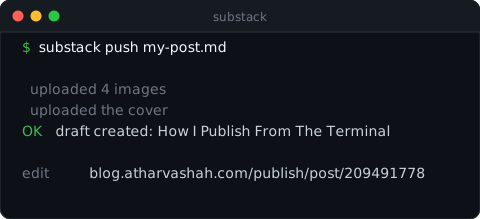
substack init and substack doctor
> [!NOTE] > Setup asks for two things. Your publication URL, and the `connect.sid` cookie from a > browser where you are already logged in. The publication id and the user id get read off > the API and cached for you. [docs/authentication.md](docs/authentication.md) shows exactly > where that cookie lives. A post is a markdown file with frontmatter on top. ```markdown --- title: How I Publish From The Terminal subtitle: One command, no web editor slug: how-i-publish-from-the-terminal cover: cover.png --- Your article body, in plain markdown. ``` One command ships it, images and cover included. ```bash substack push my-post.md ```
substack push output: images uploaded, cover uploaded, draft created
The draft id lands back in your frontmatter. Your next push updates that same draft instead of creating a second one. When the draft reads right, take it live. ```bash substack publish 209491778 --yes --no-email ``` ## Hand it to your agent I did not build this to type commands. I built it so Claude Code could run my Substack while I wrote. Three lines and yours can too. ```bash pipx install git+https://github.com/HighnessAtharva/substack-cli substack init # paste your publication URL and one cookie substack agent install # your agent learns the tool ``` Then talk to it in English.
An agent pushing a draft, then auditing the live page before it updates a published post
``` "what Substack drafts do I have?" "push posts/how-i-publish.md as a draft and give me the link" "fix the typo in paragraph three of my last post and update it live" "back up my whole Substack archive into ./archive and commit it" "schedule Tuesday's draft for 9am, no email" ``` `agent install` writes the instruction file your agent already reads. It detects which agent you use, and it never clobbers rules you already have. | Agent | File it writes | |---|---| | Claude Code, Claude Desktop | `.claude/skills/substack-cli/SKILL.md` | | Cursor | `.cursor/rules/substack-cli.mdc` | | Codex, Gemini CLI, Aider, Cline | `AGENTS.md` | That file is the part that matters. It carries the operating knowledge that stops an agent doing damage. Seven hard rules, the safe edit loop, the exit codes, and six worked recipes. It also documents the two-bodies trap, where a push to a live post silently does nothing. Read the file with `substack agent print`, or in [docs/agents.md](docs/agents.md). > [!TIP] > Every write gates on one machine-readable check. `substack audit post.md --json` returns > `{"clean": true, "destroyed": {}, ...}`, and `clean` is the whole decision. An agent that > respects that field cannot delete your work. > [!WARNING] > Scheduling a **post** is real and server-side. It needs a second cookie, saved once with > `substack init --hub-token`. Scheduling a **Note** is impossible, because Substack has no > endpoint for it. Your agent will offer to schedule the command instead. That means a Claude > Code routine, a `cron` entry, or a Task Scheduler job that runs `substack note` on time. ## The twelve jobs it does
**Push** A markdown file becomes a Substack draft. Headings, bold, links, code blocks, lists, quotes and captions all convert. **Pull** A live post comes back down as markdown. Every image downloads next to it. **Update** You rewrite an already published post in place. No email, no feed bump, same URL.
**Audit** You see exactly what an update would destroy, before it destroys anything. **Publish** You go live now, with or without emailing your subscribers. **Schedule** You set a real server-side release time, and you cancel it the same way.
**Notes** You post a Substack Note from a file or a string, with image attachments. **Covers** The hero image uploads itself. `cover` swaps it on a live post and leaves the text alone. **Slugs** Your file owns the public URL. Substack never gets to invent a truncated one.
**Tables** A markdown table renders to a PNG, because the Substack editor has no table support. **Templates** You list the saved post templates on your account and push a file against one. **Sitemap** You build a local index of every live post, ready to commit beside your drafts.
It runs on the Python standard library alone. No dependencies to install, no API key to request, no browser to automate, and no Node runtime anywhere. Pillow is the one optional extra, and only if you want tables rendered. ## The command that stops you losing work > [!CAUTION] > `update` regenerates a live post's body from your markdown. Anything on the page that your > markdown does not mention is gone, with no undo and no warning in the output. On my own > publication that would have silently deleted 125 images, 24 captions, 9 embeds, 2 videos > and 2 pullquotes across 33 posts. So `audit` runs first. It compares the live page against what your file would produce. It exits non-zero when the update would lose something.
substack pull followed by substack audit, one clean run and one failing run
Some blocks live only in the editor and markdown cannot express them. That covers YouTube embeds, uploaded video, Twitter embeds, callouts and pullquotes. `update` extracts them from the live body and re-anchors each one after the same paragraph it followed. Rewriting the text around them does not lose them. ## Every command
substack --help
All 22 commands, with what each one does
| Command | What it does | |---|---| | `substack init` | Save credentials and verify them. | | `substack agent install` | Teach Claude Code, Cursor, or any agent to drive this. | | `substack doctor` | Check auth and print the resolved configuration. | | `substack list [--published]` | List drafts, or live posts. | | `substack get ` | Print one post's metadata. | | `substack push ` | Create or update a draft from markdown. | | `substack update --yes` | Rewrite a live post. No email, no feed bump. | | `substack audit [--json]` | Report what an update would destroy. | | `substack cover --image X` | Swap a post's hero image, body untouched. | | `substack pull ` | Download a live post as markdown plus images. | | `substack pull --published` | Download the entire archive. | | `substack render ` | Convert to ProseMirror JSON offline. Sends nothing. | | `substack publish --yes` | Publish now. `--no-email` puts it on the web quietly. | | `substack unpublish --yes` | Take a live post back to draft. | | `substack schedule --at "..."` | Real server-side scheduled release. | | `substack unschedule ` | Cancel it. | | `substack set --title --subtitle --slug` | Change metadata in place. | | `substack delete ` | Delete a draft. Refuses published posts. | | `substack note "text"` | Post a Substack Note. | | `substack note-delete ` | Delete one of your Notes. | | `substack templates` | List the saved post templates on your account. | | `substack sitemap` | Build a local index of every live post. |
Full reference with every flag: [docs/commands.md](docs/commands.md). ## Substack has no API, so I wrote one No public API, no official CLI, and no `git push` for a newsletter. Everything runs through a web editor that owns your content, your formatting, and your workflow. You cannot draft in your own editor, keep posts in version control, run a linter over them, or script a publish. | The web editor | substack-cli | |---|---| | You draft in a browser text box | You draft in your own editor | | Substack picks the URL slug | Your frontmatter picks the slug | | Version history you cannot read | Every change is a git commit | | Publishing is a click, by hand | Publishing is a command, in CI | | Your archive sits on their server | `pull` writes the archive to your disk | | Nothing can lint a draft first | Any script runs before the push | The tools that do exist read Substack. They fetch feeds and scrape archives. Almost none of them write, and the ones that try break the moment Cloudflare sees a `curl` User-Agent. This one writes. It has published 79 posts to a real newsletter since July 2024. Every rule it enforces exists because something went wrong on a live page first.
blog.atharvashah.com, 79 posts published and maintained entirely through substack-cli
blog.atharvashah.com runs on this. Every post, cover, and schedule.
## What people do with it **An agent runs the whole pipeline.** You write the article, then your agent converts it, uploads the images, audits the live page, and hands back a link. See [docs/agents.md](docs/agents.md). **Your newsletter lives in version control.** Keep every post in a git repo, review changes in a pull request, and push the merged file to Substack. **Everything gets backed up.** `substack pull --published -o ./archive` writes every live post to markdown with its images alongside. Run it on a cron and you own a real copy. **A whole blog migrates in.** Point `push` at the markdown you already keep in Hugo, Jekyll, Obsidian, or a Notion export. The archive moves across without you touching the editor. **CI drives the pipeline.** Lint, spell-check, score, or run a model pass over a file, then push and schedule it. Every command is scriptable and exits non-zero on failure. ## Nothing destructive happens by accident - `publish`, `update`, and `unpublish` all refuse to run without `--yes`, and each one prints what it is about to do first. - `delete` refuses published posts outright and tells you to `unpublish` first. - `update` prints its destroy list before it touches anything, and `audit` exits 1 when the local file is not a superset of the live page. - `render` converts offline and sends nothing, so an agent checks its own work before any write reaches the network. - Your cookies live in a `0600` config file or in environment variables, and nothing ever prints them back. ## Where to read more
Ten guides, one per job
| Guide | What it covers | |---|---| | [agents.md](docs/agents.md) | Let Claude Code, Cursor, or Codex run your Substack. | | [installation.md](docs/installation.md) | Every install path, Windows included. | | [authentication.md](docs/authentication.md) | Where the two cookies live and how long they last. | | [commands.md](docs/commands.md) | Complete reference, every flag, every exit code. | | [frontmatter.md](docs/frontmatter.md) | Every field the tool reads and writes. | | [markdown.md](docs/markdown.md) | What converts, what does not, and why. | | [workflows.md](docs/workflows.md) | Git-backed publishing, backups, migrations, CI. | | [api-notes.md](docs/api-notes.md) | The undocumented Substack API, written down. | | [troubleshooting.md](docs/troubleshooting.md) | Every error message and its fix. | | [faq.md](docs/faq.md) | Is this allowed, will it break, what about paid posts. |
## Contributing Issues and pull requests are welcome. The test suite is 122 offline checks that run in under a second, and every one of them pins a bug that reached a live newsletter. ```bash git clone https://github.com/HighnessAtharva/substack-cli cd substack-cli pip install -e ".[dev]" pytest -q && ruff check . ``` Read [CONTRIBUTING.md](CONTRIBUTING.md) first. ## Who made this **Atharva Shah**, who publishes at [blog.atharvashah.com](https://blog.atharvashah.com) and uses this to do it.
If this saved you an afternoon, a star helps other writers find it. ## Legal MIT licensed. Not affiliated with, endorsed by, or supported by Substack Inc. It drives the same private endpoints your browser does, using your own session cookie, against your own publication. Read [docs/faq.md](docs/faq.md) before you build a business on it. ---
**Keywords**: substack api · substack cli · publish to substack from markdown · substack markdown import · substack automation · substack python client · newsletter as code · substack backup · export substack posts · substack scheduler · claude code substack skill · agent publishing tools · AGENTS.md
--- groundtruth ## The problem in one paragraph A number lands in paragraph nine of an article. Six months later the source changed, or the sentence around it got edited, and nobody rechecked. No normal tool can see that. A spell checker cannot. A linter cannot. A person rereading their own work cannot, because the sentence still reads fine. groundtruth makes the link explicit and machine-checkable. Next to each claim you record the source it rests on, plus the exact words in that source that support it. The tool refuses a claim it cannot find in your document. It refuses a quote it cannot find in the source. Then it fails your build when either side moves. **What a skeptic needs to hear:** this checks that a claim is *anchored*, not that a claim is *true*. A wrong source you quoted correctly still passes. What you get is one page that shows every sentence in your document resting on nothing. --- ## What you get ### One command in CI, and a real reason for the failure
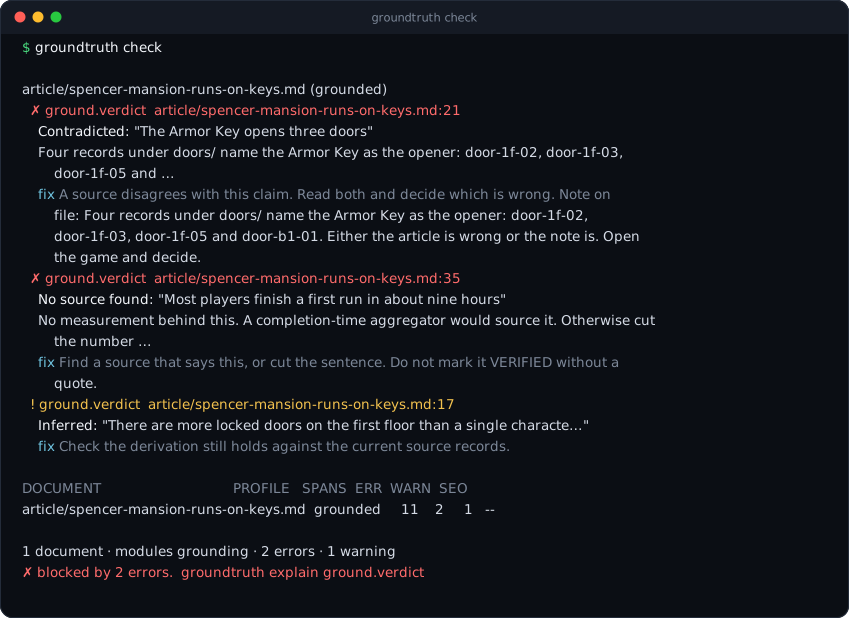
groundtruth check failing on a contradicted claim and an unsourced claim

### An HTML report of the article, annotated claim by claim Every checked sentence is underlined. The sidebar counts the verdicts, scores the SEO gate, and lists every finding with the fix.

The HTML report: the article on the left with claims underlined, verdict counts and findings on the right

### Hover any claim to see the source and the verbatim quote This claim says three doors. The source says four. The build stops.

A contradicted claim showing its source link, the verbatim quote and the author note

### Dark theme, and it works offline from a file

The same report in dark theme

--- ## Try it in two minutes Node 20.11 or later. One runtime dependency, `yaml`, which has none of its own. ```bash npm install --save-dev @highnessatharva/groundtruth npx @highnessatharva/groundtruth init ``` `init` reads your repo, writes a config with only the modules you asked for, and prints the one command to run next. Run it twice and the second run writes nothing.

groundtruth init writing a config, an AGENTS.md and a gitignore patch

**Start with readability.** It needs no sources and no authoring, and it finds something in almost every document. Add grounding once you know what you would cite. The package is scoped, and the command it installs is `groundtruth`. npm refused both `groundtruth` and `groundtruth-cli`, because its similarity guard strips punctuation before comparing, and two unrelated packages already hold `ground-truth` and `ground-truth-cli`.
Work from a clone instead ```bash git clone https://github.com/HighnessAtharva/groundtruth cd groundtruth && npm install && npm link cd /your/project && groundtruth init ```
--- ## How it works Four words, in order. **Claim**, the sentence in your document. **Source**, the thing it rests on. **Span**, the record that binds one to the other. **Verdict**, your judgement of that binding.

A claim in the document, a span map naming the source and quote, the source file, two exact-match tests, and the verdict that sets the exit code

You never edit the document to add a claim. The binding lives in a separate span map file, so your prose stays clean markdown. Two exact-match tests run on every check: the match string must still appear in the document, and the quote must still appear in the source. Read the full model in [docs/modules.md](docs/modules.md). --- ## The three modules Each one is independently optional. Turn on what you want. | Module | What it gates | Needs sources | |---|---|---| | **grounding** | Every claim binds to a verbatim quote in a real source | yes | | **readability** | Sentence-level scoring, clause load, passive voice, image checks | no | | **SEO and AEO** | Titles, meta, headings, snippets, and answer-engine structure | no | The last two ride along because the same parse tree makes them nearly free. Details for each: [docs/modules.md](docs/modules.md). --- ## See it working, offline Three examples. All of them fail on the first run on purpose, because a green example teaches nothing. | Open | What it shows | Modules | |---|---|---| | [`examples/resident-evil`](examples/resident-evil) | The smallest setup. Sources you wrote yourself | grounding | | [`examples/steam-completion-rates`](examples/steam-completion-rates) | A table checked cell by cell, a cached page, a claim going stale | grounding, readability | | [`examples/plimit-concurrency`](examples/plimit-concurrency) | Code quoted at a pinned commit, plus the full SEO gate | all three | Each ships `expected/report.html`, so you can open the output in a browser straight from the clone. No install needed. ```bash git clone https://github.com/HighnessAtharva/groundtruth cd groundtruth && npm install npm run test:examples ```

All three examples reproducing their expected findings

--- ## Every rule explains itself No rule ships without a reason you can read at the terminal.

groundtruth explain printing what the ground.verdict rule measures and why it blocks

--- ## Docs | Page | What is in it | |---|---| | [Walkthrough](docs/walkthrough.md) | One paragraph, three claims, from nothing to a passing gate | | [The modules](docs/modules.md) | The mental model, and what each module checks | | [Configuration](docs/configuration.md) | Config keys, sources, span maps, and the rule list | | [CLI and report](docs/cli.md) | Every command, flag, exit code, and what the report holds | | [Agents, CI and extending](docs/integrations.md) | The Claude plugin, GitHub Actions, custom rules, presets | | [FAQ and limits](docs/faq.md) | Prior art, honest limits, performance, stability promise | --- ## Contributing ```bash npm install npm run test:all ``` A rule needs an `explain` that says why it exists. It needs `mechanical: false` unless it has exactly one right answer a script can compute. A colour needs a test in `test/contrast.test.mjs`. An example needs to fail on its first run. ## License MIT --- quotecard Four cards rendered by quotecard: an X post, a Substack note, a Substack article, and a typed line ## Install ```bash pip install git+https://github.com/HighnessAtharva/quotecard.git ``` ```bash playwright install chromium ``` ```bash quotecard init --name "Your Name" --handle yourhandle --avatar photo.png ``` Chromium does the rendering and installs once, about 150 MB. `init` stores your identity, so plain text always comes out with your face on it. Then cache the fonts, which makes every later render offline and identical on any machine: ```bash quotecard fonts ``` Check the whole setup in one command: ```bash quotecard doctor ``` --- ## Thirty seconds ```bash quotecard https://x.com/username/status/1234567890 ``` ```bash quotecard "the line I want on a card" --look editorial-cream --size 1:1 ``` ```bash quotecard -f links.txt -d cards/ --look dark --size 4:5,9:16 ``` Cards land as 1080-pixel PNGs in the current directory. Send them elsewhere with `-d cards/`, or name one file with `-o card.png`. Add `--open` to pop the result straight into your image viewer. --- ## Eight looks Run `quotecard looks --render` to make this sheet yourself, with your own words and your own face on it. | | | | | |:--:|:--:|:--:|:--:| | light
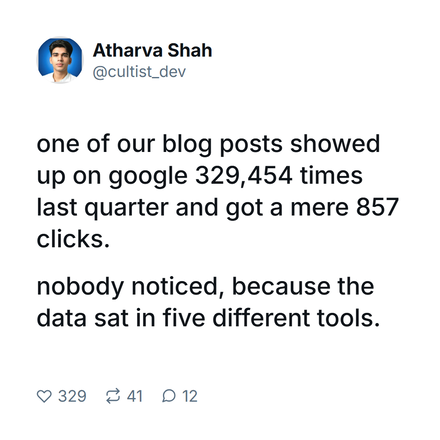
`light` | dark
`dark` | serif-light
`serif-light` | serif-dark
`serif-dark` | | editorial-cream
`editorial-cream` | editorial-dark
`editorial-dark` | rounded-light
`rounded-light` | rounded-dark
`rounded-dark` | --- ## Five sizes | portrait 4:5 | square 1:1 | story 9:16 | |:--:|:--:|:--:| | **`4:5`** 1080x1350
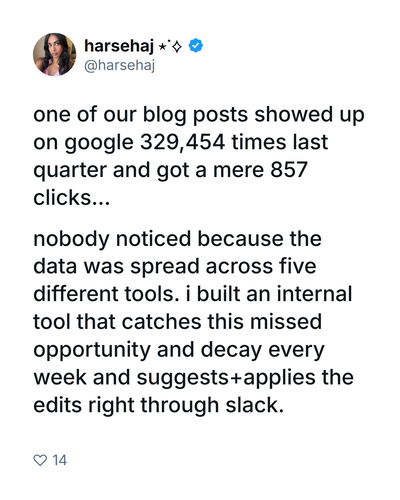
Instagram and LinkedIn | **`1:1`** 1080x1080
square feeds | **`9:16`** 1080x1920
Stories, Reels, TikTok | `16:9` and `3:4` are there too, and any explicit `--size 1200x1200` works. A story is a poster rather than a screenshot, so the text grows to fill it while a feed card keeps its chosen size. --- ## What it reads | Paste this | quotecard pulls | |---|---| | `x.com/user/status/123` | text, name, handle, profile photo, verified badge, live counts | | `substack.com/@user/note/c-123` | text, name, handle, profile photo, likes, restacks, replies | | `yourblog.substack.com/p/slug` and custom Substack domains | title, subtitle, byline, photo | | `threads.net/@user/post/CODE` | text, name, handle, profile photo | | anything that is not a URL | your own words, with your identity | `twitter.com`, `mobile.x.com`, `fxtwitter.com` and `vxtwitter.com` all resolve to the same X post. X truncates a long post at 280 characters through its public endpoint. quotecard notices and fills in the full body from a public mirror, so a long post renders whole. --- ## Recipes | Command | You get | |---|:--:| | `quotecard https://x.com/harsehaj/status/2092101159032930616` | an X post as a card | | `quotecard https://substack.com/@a16z/note/c-321561696 --look dark` | a Substack note as a card | | `quotecard https://blog.example.com/p/a-post --look serif-light` | a Substack article as a card | | `quotecard "writing is thinking." --format text --quote-mark`
` --look editorial-cream` | a typed line as a text-only card | More, without pictures: ```bash # every look at once, then pick the winner quotecard https://x.com/user/status/123 --all-looks -d cards/ # a story and a feed card from one link quotecard https://x.com/user/status/123 --size 9:16,4:5 -d cards/ # fix a typo, drop the counts, add your site in the footer quotecard https://x.com/user/status/123 \ --text "the corrected line" --no-engagement --watermark "yoursite.com" # a long quote out of a file, newlines kept quotecard placeholder --text-file quote.txt --format text --look serif-dark # print-ready, 2160 pixels wide quotecard "a line" --scale 2 --size 1:1 ``` --- ## Whose face goes on the card Pick one of three modes in config, then override it per run. | Mode | Behavior | |---|---| | `auto` (default) | your identity on your own text and on posts under one of your handles, the real author on everybody else's | | `always-me` | your identity on every card | | `source` | the real author every time | ```bash quotecard init --alias yoursubstack --alias yourgithub quotecard config --set identity=always-me quotecard https://x.com/someone/status/123 --me ``` Attribution matters, so `auto` keeps a stranger's name and face on a stranger's words. When a source gives no photo, your picture fills the slot instead of leaving a hole. --- ## Batch One link or one line of text per line. Blank lines and `#` comments are ignored. ```bash quotecard -f links.txt -d cards/ --look dark --size 4:5,9:16 --json ``` Every link is read at the same time, a repeated link is read once, and one browser renders the whole file. Twelve cards from nine links take about six seconds. Tune the pool with `--jobs`, which defaults to 8. Cards that already exist are skipped. Pass `--overwrite` to replace them. --- ## For agents and scripts `--json` prints one object per card on stdout. Nothing else goes to stdout, so the stream stays parseable. ```json {"input":"https://x.com/...","ok":true,"path":"cards/x-user-123.png","width":1080,"height":1350,"look":"light","font_size":57.6,"source":"x","author":"harsehaj","handle":"harsehaj","text":"...","url":"https://x.com/..."} ``` Exit codes: `0` every card worked, `1` nothing worked, `2` some worked and some failed. A failed link never stops the batch, so read `ok` per line. ```bash quotecard fetch https://x.com/user/status/123 # read a post, render nothing quotecard -f links.txt --dry-run --json # plan a batch, no browser ``` A card whose text hit the minimum size carries `"warning"`. Move that post to `--size 9:16` or split it, and never ship it clipped. --- ## Every option ``` quotecard [inputs...] [options] -f, --from-file FILE one URL or line of text per line -o, --out FILE exact output path, for a single card -d, --out-dir DIR where the PNGs land --look NAME comma separated, or --all-looks --size SPEC comma separated, named or WxH --text-size SIZE small, medium, large, xl --format card|text card keeps the header, text drops it --align top|center|bottom --fit auto|shrink|fill --scale N 2 renders at 2160 pixels wide --pad PX canvas around the card, 0 fills the frame --quote-mark open with a large quotation mark --watermark TEXT small footer text on the right --avatar-shape circle|square --text TEXT replace the fetched text --text-file FILE read the card text from a file --title TEXT bold line above the body --name, --handle, --avatar --me force your identity onto every card --identity MODE auto, always-me, source --no-engagement hide the counts --no-verified hide the badge --likes N, --reposts N, --replies N --jobs N parallel fetches, default 8 --offline block all network during render --overwrite replace PNGs that already exist --dry-run fetch and plan, render nothing --open open each finished card --json one JSON object per card -q, --quiet ``` | Subcommand | What it does | |---|---| | `init` | store your name, handle and profile picture | | `config` | show or change stored defaults | | `fonts` | cache the webfonts for offline, identical renders | | `looks` | list every look, or `--render` a sample of each | | `fetch` | read a post and print it as JSON | | `doctor` | check config, fonts, Chromium and the network | --- ## How it works Four readers hand back one shape, and one Chromium renders it. - **X** goes through the public syndication endpoint behind every embedded tweet. No key, no login. - **Substack** notes come from the public reader endpoint, and articles from the publication's own posts API, custom domains included. - **Threads** serves an empty page to a plain HTTP client, so the same Chromium that draws the card reads the post. - **Text** skips the network. The card is one HTML file. The text auto-fits by binary search, so a 2,000 character post shrinks until it fits and a six word line grows to fill a story. Speed comes from four choices. Every link in a batch is read at once. One browser and one page serve the whole run. Avatars download once and are cached. The fonts live on disk, so the render never waits on a request. --- ## Config `quotecard config --path` prints the file. `QUOTECARD_HOME` moves the whole directory. | Key | Default | Meaning | |---|---|---| | `name`, `handle`, `avatar` | empty | your identity | | `verified` | `false` | show a badge on your cards | | `identity` | `auto` | auto, always-me, source | | `aliases` | empty | other handles that are you | | `look`, `size`, `text_size`, `format` | `light`, `4:5`, `large`, `card` | defaults for every run | | `engagement` | `true` | show counts when the source has them | | `out_dir` | `.` | where PNGs land | ```bash quotecard config --set look=dark --set size=1:1 ``` --- ## Tests ```bash pip install -e ".[dev]" && pytest ``` 147 tests. Parsing runs off saved API payloads, so most of the suite needs no network. `pytest -m "not render"` skips the tests that start Chromium. --- ## Limits - Threads needs Chromium to read a post, which is slower than the other three, and Threads gives no engagement counts. - A protected, deleted, or age-gated X post cannot be read. The error says so. - X's public endpoint carries no repost count, so an X card shows likes and replies. - Images and video inside a post are not drawn. The card carries the words. --- ## License The license is MIT. Built by [Atharva Shah](https://atharvashah.com). --- # 9x9 Goals Grid: The Harada Method ## Overview The **9x9 Goals Grid** is a digital implementation of the Harada Method, the same framework used by Shohei Ohtani to transform from a high school athlete into a baseball legend. Unlike traditional to-do lists that are infinite and overwhelming, this tool forces finite prioritization. It turns one abstract dream into **81 concrete, actionable steps**. Designed with a **"Neobrutalist"** aesthetic and a **"Privacy-First"** architecture, it lives entirely in your browser. No logins, no cloud databases, no tracking. Just you and your goals. ![The Harada Grid Interface](/projects/images/proto1.webp) ## Video Tour [Watch the full tour and implementation details](https://www.loom.com/share/05e45cb8aba14ef1b7a7fb980c560dae) ## The Philosophy Productivity tools often become procrastination traps. We spend more time organizing lists than doing the work. The 9x9 Grid solves this by enforcing constraints: - **Constraint 1: The Space is Finite.** You have exactly 8 subgoals and 64 actions. If it doesn't fit, it's not a priority. - **Constraint 2: Visual Impact.** Seeing your entire roadmap in a single glance creates a powerful mental model of your path to success. - **Constraint 3: Complete Privacy.** Your ambitions are personal. By using LocalStorage, we ensure your data never leaves your device. ## Core Features & Workflow ### 1. The Macro View (The Bird's Eye) At the center sits your **Main Goal**. Surrounding it are 8 **Subgoals**, the pillars required to support that main goal (e.g., Mental Strength, Physical Health, Technical Skill). Each of these pillars is further broken down into 8 specific, actionable tasks. This recursive structure ensures that even the loftiest ambition is grounded in daily habits. ![Grid Structure](/projects/images/proto6.webp) ### 2. The Focus Mode (The Deep Dive) It can be daunting to look at 81 boxes at once. **Focus Mode** allows you to zoom in on a single 3x3 sector. This isolates one specific domain of your life, like "Finance" or "Health", allowing you to plan that area without distraction. ![Focus Mode](/projects/images/proto3.webp) This mode is designed for deep work sessions where you are brainstorming the specific "How" for a particular "What". ![Editing Cells](/projects/images/proto4.webp) ### 3. The Narrative View (Chapters) Not everyone thinks spatially. The **Chapters View** transforms the grid into a linear, card-based story. It presents your 8 subgoals as distinct chapters in the book of your success, perfect for reviewing your strategy or presenting it to mentors. ![Chapters View](/projects/images/proto5.webp) ## Technical Architecture This application was built with performance and portability in mind. - **Framework**: React 18 with TypeScript for type safety and component modularity. - **Build Tool**: Vite for lightning-fast development and optimized production builds. - **Styling**: Tailwind CSS for the stark, high-contrast "Neobrutalist" design system. - **State Standards**: LocalStorage API for persistent, client-side data management. ![Mobile Responsiveness](/projects/images/proto8.webp) ## Export & Durability Because the tool is local-first, data portability is key. Users can export their entire board as a **JSON file** for backup or transfer between devices. Additionally, the tool allows generating high-resolution **PNG/SVG** images of the completed grid, perfect for printing as a poster or setting as a desktop wallpaper to keep your goals visible. --- # AccuKnox Control Center The **AccuKnox Control Center** is an internal hub that brings the marketing team's day-to-day tools under one roof. Instead of scattered spreadsheets, shared docs, and Slack links, the team has a single URL for everything operational. ## Five Apps in One Place ### AK Socials Tracks the email and LinkedIn post schedule across campaigns. See what's going out, when, and who owns it, without digging through campaign calendars or asking in Slack. ### AK Spends Monthly and annual marketing spend at a glance. Budgets by channel, actuals vs. targets, and running totals. Built for marketers, not finance teams, no pivot tables required. ### Login Helper A secure way to share login instructions with teammates. Instead of sending credentials over Slack or email, Login Helper generates a structured, shareable card with the right context attached, environment, usage notes, and who to contact if something breaks. ### AK Pricing Generates pricing quotes quickly from a predefined product catalogue and pricing matrix. Useful for sales support, partner inquiries, and internal approvals where a clean quote needs to go out fast. ### MKT Performance Tracks team member goals and targets against actuals. Part OKR tracker, part accountability layer. Teams can see their numbers in real time without waiting for end-of-month reports. ## Why It Exists AccuKnox's marketing team runs across campaigns, content, DevRel, and demand gen simultaneously. Every function was using a different tool to track its work. The Control Center consolidates these into one interface so onboarding is faster, context-switching is lower, and the team spends less time hunting for information. The hub is internal. It is infrastructure for the team that ships the products, and it is not a product itself. --- # Algorithm Listens ## Overview Algorithm Listens is an ongoing computational text analysis series that explores artists through their complete bodies of work. Each essay combines lyrical analysis, sentiment mapping, and thematic clustering to provide deep insights into an artist's creative evolution and thematic patterns. ## Project Goals - Analyze **100 artists** across **10 genres** - Provide data-driven insights into lyrical themes and patterns - Map sentiment and emotional trajectories across discographies - Identify thematic clusters and recurring motifs - Understand artistic evolution over time ## Methodology ![Algorithm Listens screenshot 1](/projects/images/algolistens-1.webp) ![Algorithm Listens screenshot 2](/projects/images/algolistens-2.webp) ### Data Collection - Complete lyrical datasets for each artist - Metadata including release dates, album information, and collaborations ### Analysis Techniques - **Natural Language Processing (NLP)** for text analysis - **Sentiment Analysis** to track emotional tone - **Topic Modeling** to identify recurring themes - **Cluster Analysis** to group similar songs and albums - **Time Series Analysis** to track evolution ### Visualization - Interactive charts and graphs - Sentiment heatmaps - Thematic networks - Word clouds and frequency distributions ## Technology Stack - **Python** for data processing and analysis - **Pandas** for data manipulation - **NLTK/spaCy** for natural language processing - **Scikit-learn** for machine learning and clustering - **Matplotlib/Plotly** for visualizations ## Artists Covered This project aims to cover 10 artists from each of the following genres: - Pop - Rock - Hip-Hop/Rap - R&B/Soul - Electronic - Country - Jazz - Metal - Indie/Alternative - Folk ![Algorithm Listens sentiment heatmap](/projects/images/algolistens-3.webp) ![Thematic clusters network visualization](/projects/images/algolistens-4.webp) ## Key Insights Each artist analysis provides: - **Lyrical vocabulary complexity** over time - **Dominant themes** and how they evolve - **Sentiment trends** across albums - **Collaboration patterns** and their influence - **Genre-specific characteristics** and innovations ## Future Development - Expand to more artists and genres - Add audio feature analysis - Integrate streaming data for popularity correlation - Create interactive web visualizations - Build recommendation systems based on thematic similarity --- _This project represents a deep dive into the intersection of data science, music, and literary analysis._ --- # BuyDip BuyDip is a proactive investment tool designed to help investors make rational decisions by removing emotion from the process. The tool provides a dashboard that shows how far various market sectors and indices are down from their all-time highs. Based on a user's predefined investment strategy and custom thresholds, it recommends specific actions to take when the market dips. This allows investors to execute their plans with discipline, without the need for constant market monitoring or second-guessing. **DEMO:** [https://www.atharvashah.com/buydip/](https://www.atharvashah.com/buydip/) ![BuyDip1](/projects/images/buydip1.webp) ![BuyDip2](/projects/images/buydip2.webp) ![BuyDip3](/projects/images/buydip3.webp) --- ## Key Features - **Emotion-Less Investing:** The tool provides clear, predefined actions based on market drops, helping users avoid panic and indecision. - **Customizable Thresholds:** Users can set their own triggers, such as "down 5% = small buy" or "down 15% = all-in," tailored to their personal investment strategy. - **Dual Modes:** - **Simulation Mode:** Allows users to test different strategies and thresholds with a simple slider to see how their action items would trigger. - **Live Mode:** Pulls real-time market data to show current drops and recommends actions based on the user's live portfolio and settings. - **Automated Alerts:** The system actively monitors the market and provides alerts, so users don't have to constantly check charts. - **Personalized Dashboards:** The tool can be customized for individual users with their preferred tickers, mutual funds, and unique investment variables, all without needing to write any code. --- ## Technical Details - **Docker Containerization:** The application runs within a Docker container, making it easy to deploy and manage. - **Configuration-Based Logic:** User-specific settings, such as investment thresholds and target tickers, are stored in a separate configuration file. This allows for easy customization without altering the core codebase. - **Data Retrieval:** The tool pulls live market data from various sources to provide up-to-the-minute information on market performance. - **User Authentication:** Access to the live dashboard is protected by a password, ensuring data security. --- ## Learnings Building this tool provided valuable insights into creating a user-centric application that solves a real-world problem for investors. The project reinforced several key concepts: - **Simplifying Complex Data:** The primary challenge was to take complex market data and present it in a simple, actionable format. This involved creating a clean dashboard that highlights what's most important to the user: the current market drop and the corresponding action to take. - **User-Centric Design:** The inclusion of both a simulation mode and a live mode was crucial. The simulation mode helps build user confidence and allows for risk-free experimentation, while the live mode provides the practical utility of the tool. - **Building a Customizable and Scalable Solution:** By separating user configurations from the application's core logic, the tool was made highly customizable. This "no-code" approach for the end-user makes it accessible to a wider audience and simplifies the process of setting up a new dashboard for each user. - **Practical Application of Automation:** The project showcased how automation can be used to improve decision-making. By setting up the tool to actively monitor and alert based on triggers, investors can be more disciplined and less reactive. --- # CaptionThis **CaptionThis** is a daily 4-panel comic strip that uses sarcasm, wit, and irony to roast finance, tech, media, fashion, and urban cultural trends. It features two contrasting characters, Leo and Nina, who dissect modern life with deadpan humor. ## The Characters - **Nina (The Cynic):** Sharp, pragmatic, and allergic to hype. She cuts through the noise with razor-sharp sarcasm. - **Leo (The Optimist):** Enthusiastic, impulsive, and always chasing the next big thing. He sets them up; she knocks them down. ## AI-Driven Production Workflow CaptionThis leverages a sophisticated AI pipeline to maintain a daily publishing cadence while ensuring character consistency and topical relevance. ![Workflow diagram showing caption creation process](/projects/images/captionthis-1.webp) ### Step 1: Trend Discovery & Research We utilize **Perplexity AI** to scan for high-engagement topics across finance, tech, and pop culture. The system filters for "roast-able" news items, stories that highlight hypocrisy, absurdity, or modern struggles. ### Step 2: Script Generation (LLM) Selected topics are fed into an LLM with a strict **Persona-Based Meta-Prompt**. - **Input:** Trending headline (e.g., "NFT market crash"). - **Processing:** The model applies the distinct voices of Leo and Nina. It enforces a 4-panel structure: Setup -> Reaction -> Escalation -> Punchline. - **Output:** A structured script optimized for brevity and visual storytelling. ### Step 3: Structured Visual Prompting To solve the common AI consistency problem, we don't just ask for "a comic strip." We use a **Master JSON Prompting Strategy**. - **Style Enforcement:** A rigid JSON schema defines the art style (black & white, high contrast, minimalist linework) to prevent style drift between panels. - **Character Consistency:** Detailed attribute dictionaries for Leo and Nina are injected into every prompt, ensuring their clothing, hair, and features remain constant. - **Panel Composition:** The prompt specifies camera angles and speech bubble placement to ensure the text remains legible. ### Step 4: Generation & Assembly The JSON prompts drive the image generation model to create individual panels. These are then assembled into the final 4-panel strip, ready for Instagram carousels and X threads. ![Second visual illustrating feature X](/projects/images/captionthis-2.webp) ## CaptionThis. Brand Snapshot **Concept:** Daily 4-panel comic roasting finance, tech, media, fashion, and urban culture using sarcasm and irony. **Tone:** Snarky. Relatable. Bold. Satirical. **Style:** Minimal visuals. Text-first punchlines. ![Brand snapshot graphic showing logo and colors](/projects/images/captionthis-3.webp) ### Characters - **Leo:** Optimistic, naïve, deadpan setup guy. Loves tech and trends. - **Nina:** Cynical, sharp, sassy closer. Hates jargon and hype. - **Dynamic:** Optimist vs cynic. Setup vs punchline. ### Audience 18 to 35. Gen Z and Millennials. Meme-native. Into money, tech, culture, and internet humor. ![Audience and content mapping visual](/projects/images/captionthis-4.webp) ### Content - **Format:** 4 horizontal panels. - **Cadence:** Daily. - **Types:** Trend roasts, evergreen urban struggles, caption contests, weekly best-of. ### Platforms Instagram. Twitter/X. TikTok. Reddit. Growth via daily posting, trend hijacking, meme page cross-shares. ![Supported platforms and distribution channels visual](/projects/images/captionthis-5.webp) --- # Criterion Collection Scraper The problem statement revolves around the need for a web scraper designed to extract detailed information about movies from the Criterion Collection. The scraper is tasked with collecting various attributes such as movie title, director, media type, country, year, runtime, aspect ratio, language, Blu-ray and DVD availability, prices, poster URL, page URL, and thumbnail URL. The ultimate goal is to facilitate easy and programmable access to this movie data, catering to both developers and movie enthusiasts. **GITHUB:** https://github.com/HighnessAtharva/Criterion-Collection/ ![Criterion Scraper DataSet Screenshot](/projects/images/criterion_dataset.webp) ## Learnings Building this web scraper involves navigating through the Criterion Film Collection page, utilizing XPath to locate essential data points, and simulating clicks on individual film pages to gather more detailed information. The extraction process includes cleaning the acquired data to maintain a uniform format. The scraper then serially compiles this information and stores it in an Excel Workbook for easy reference. ## Pipeline Overview 1. **Visit Criterion Film Collection Page:** Start by navigating to the listing page (https://www.criterion.com/shop/browse/list) of the Criterion Film Collection. 2. **XPath Extraction:** Locate the XPath of key data items on the page, which will serve as identifiers for scraping. 3. **Simulate Clicks:** Simulate clicks on each film page to access more detailed information about the movies. 4. **Data Fields Extraction:** Extract relevant fields such as movie title, director, media type, country, year, runtime, aspect ratio, language, Blu-ray and DVD availability, prices, poster URL, page URL, and thumbnail URL. 5. **Data Cleaning:** Ensure the extracted data is in a uniform and clean format for further processing. 6. **Excel Workbook:** Serially add the collected movie information to an Excel Workbook, providing an organized structure for easy storage and retrieval. ## Future Enhancements Looking ahead, the scraped data can be leveraged to create an API, offering a seamless way for developers and movie enthusiasts to access and interact with the Criterion Collection movie details programmatically. This web scraper simplifies the process of gathering extensive movie information, making it a valuable tool for those who wish to explore and utilize Criterion Collection data effortlessly. --- # DevRel Workbench **DevRel Workbench** is a professional toolkit for developer advocates, a single place for playbooks, AI-assisted tools, curated resources, and a community layer. Built to help DevRels move faster and ship better work. ## Playbook Library 15 curated, step-by-step playbooks covering every major DevRel motion. Each playbook has a unique shareable URL so you can link a teammate directly to the right workflow. Playbooks cover: - **Product Launches.** pre-launch narrative building, developer outreach, launch day coordination, post-launch content sequencing - **Community Building.** Discord/Slack setup, contributor onboarding, event cadence, community health metrics - **Content Strategy.** editorial calendar design, format mix (tutorials, videos, talks, changelogs), SEO fundamentals for developers - **Developer Events.** CFP strategy, talk submission, workshop design, conference presence - **Metrics & Reporting.** DevRel KPIs, measurement frameworks, executive-facing dashboards - **Developer Experience (DX).** API design reviews, docs audits, SDK onboarding flows, error message quality - **Partnerships.** tech partner programs, co-marketing, joint launch coordination Every playbook can be exported as Markdown and forked for team customization. ## AI-Assisted Tools Four tools that generate structured, ready-to-use outputs from a short brief: **Launch Checklist.** Input a product name, audience, and key dates. Get a prioritized pre/during/post-launch checklist with owner assignments and timing. **Demo Run-of-Show.** Describe the demo scenario and get a minute-by-minute script with speaker notes, timing, fallback transitions, and audience interaction prompts. **Content Repurposing.** Paste a piece of content and get a repurposing plan: which formats to adapt it into (thread, tutorial, short video, talk abstract), with draft copy for each. **Demo-to-Distribution.** Turn a recorded demo into a full distribution strategy: YouTube description, Twitter thread, LinkedIn post, documentation hook, and newsletter blurb, all drafted from a single input. ## Resource Center 54 hand-curated resources across 6 categories: Developer Events, Communities, Learning, Tools & Platforms, Strategy & Metrics, and Reference. Every resource is annotated with a why-it-matters note. Community members can suggest additions, which go through a moderation queue before appearing. ## Community Layer A space for DevRel practitioners to share tactics, link to playbooks, and surface what's working. All submissions are moderated to keep quality high. ## Who It's For Developer advocates, DevRel leads, and developer marketers who want structured guidance and fast content production, without reinventing the wheel on every launch. --- # Elden Ring Gallery The Elden Ring Gallery is a web project that showcases artwork inspired by the highly anticipated game, Elden Ring. The gallery features a collection of stunning illustrations created by the talented artist "drakkar2guerre" from Instagram. The goal of this project was to create an immersive and visually appealing gallery experience for fans of Elden Ring. **GITHUB:** PRIVATE REPO. **DEMO:** - Recruiters, please [email](mailto:HighnessAtharva@gmail.com) to request access. - Developers and Creatives, if you need this content, please [email](mailto:HighnessAtharva@gmail.com) to request access. I can make a similar content for you if needed (charges will apply). ## Project Tech Stack - HTML - CSS - JavaScript - Anime.js ![Elden Ring Gallery Demo](/projects/images/elden-ring.webp) ## Learnings Throughout the development of the Elden Ring Gallery, I gained valuable insights and honed my skills in several areas: - **Image optimization**: I learned techniques to optimize large-sized images to ensure faster loading times and optimal performance of the gallery. - **Custom animations**: By leveraging Anime.js, I was able to create captivating and fluid animations for the 3D gallery format, enhancing the overall user experience. - **Efficient image loading**: To handle a vast number of images, I utilized JavaScript loops to efficiently load and render the images dynamically to HTML using the Document Object Model (DOM). - **CI/CD with GitHub Pages**: I implemented Continuous Integration and Continuous Deployment (CI/CD) using GitHub Pages, enabling seamless deployment and updates to the live gallery. ## Acknowledgements - "drakkar2guerre" from Instagram for the amazing Elden Ring artwork. - The creators of Elden Ring for inspiring this project. Enjoy exploring the Elden Ring Gallery and immerse yourself in the fantastic world of Elden Ring! --- # Food Online This project, developed during a Udemy course, aims to create a multi-vendor restaurant marketplace in Ireland. The platform allows restaurant owners to register, manage their restaurant menus, receive orders, track earnings, and handle revenue payments. Customers can register, search for nearby restaurants, place orders, and purchase food from their favorite establishments. The focus of this project was on the backend development, utilizing the Django framework and various technologies to create a functional and user-friendly application. **GITHUB:** https://github.com/HighnessAtharva/FoodOnline ![Restaurant Lookup](/projects/images/FoodOnline.webp) ![Restaurant Marketplace](/projects/images/FoodOnline2.webp) ![Vendor Registration](/projects/images/FoodOnline3.webp) ![Menu Page](/projects/images/FoodOnline4.webp) ![Checkout/Cart Page](/projects/images/FoodOnline5.webp) ![Paypal Integration](/projects/images/FoodOnline6.webp) ## Project Tech Stack - Django framework - PostgreSQL database - Geojdango and Google API for location-based functionalities - FoodBakery template from Themeforest (customized for backend focus) - Ubuntu Linode for deployment - Nginx and Gunicorn for server configuration - Django signals for custom user model and media files handling - Token verification and email configuration for user registration - CRUD functionalities for restaurant registration and authentication - Menu builder with category and food item management - Marketplace implementation for listing restaurants - Google autocomplete field for address input - PostgresSQL database configuration - Django messages for displaying notifications - Vendor approval process managed by the admin - Django forms for form handling and validation - Cart functionalities with AJAX requests for smooth user experience - Basic and smart search functionalities for finding restaurants and food items - Location-based search for displaying nearby restaurants on the homepage - Dynamic tax module for accurate calculations - Order management, checkout process, and after-order functionalities - Integration of PayPal payment gateway - Many-to-many relationships for linking entities - Integrated email templates for transactional emails - User profile settings for customization - Deployment on Ubuntu Linode hosting server - Gunicorn and Nginx configuration for optimized performance - Custom domain name setup with Certbot SSL certificate configuration ## Learnings During the development of this project, several key learnings were obtained: - Understanding and implementation of a multi-vendor restaurant marketplace - Utilizing Django framework for backend web development - Integration of various technologies to enhance the user experience - Database configuration and management with PostgreSQL - Working with third-party APIs, such as Google Maps and PayPal - Implementing user authentication and registration functionalities - Customizing and extending Django templates and forms - Handling media files and creating custom user models - Implementing search functionalities and location-based queries - Optimizing performance through server configuration and deployment - Managing and securing online transactions with PayPal integration - Working with email templates and sending transactional emails - Handling CRUD operations and managing relationships between entities Through this project, I gained valuable hands-on experience in building a complex web application using Django and integrating various features to create a functional and scalable multi-vendor restaurant marketplace. --- # KubeArmor AI CTF The **KubeArmor AI CTF** is a browser-first security challenge where players attack AI systems rather than traditional infrastructure. No local tooling required, everything runs in the browser, and every challenge is designed to expose how modern LLM-powered applications can be broken. The event is built on [KubeArmor](https://kubearmor.io), an open-source runtime security engine for Kubernetes. I co-created the platform, built it in a single day, and designed the challenges. - **Play it**: [ctf.kubearmor.io](https://ctf.kubearmor.io) - **Event page**: [kubearmor.io/ctf](https://kubearmor.io/ctf) - **Build journal**: [How I Built a Full AI Security CTF Platform in One Day](https://blog.atharvashah.com/p/vibe-coding-a-full-ai-security-ctf-platform-in-24-hours) The CTF ran live from 18 June to 21 June 2026, a four-day event with over $1,000 in prizes. ![AI-CTF 2026: three tracks, eighteen flags, a four-day event and over $1,000 in prizes](/projects/images/ctf-hero.webp) ## The Premise As AI gets embedded into production systems, a new class of vulnerability emerges: LLMs that can be manipulated through their inputs, agents that can be hijacked through their tools, and APIs that reveal more than they should. This CTF teaches those attack surfaces through hands-on challenges. ## Three Tracks ![The CTF challenge runner, where players talk to ARGUS, ORACLE and HELIOS](/projects/images/ctf-2.webp) ### Prompt Injection Lab (1,000 pts) Five challenges focused on breaking instruction hierarchies. Players learn to override system prompts, drift an AI's persona, poison its context window, and bypass output filters, progressively more layered as the track advances. ### Agent Workflow Hijack (1,000 pts) Five challenges targeting AI agents that use tools. Players exploit tool-routing logic, inject malicious data into search results the agent trusts, skip approval gates, poison agent memory, and chain exploits across a multi-tool pipeline. ### Hidden API & Guardrail Bypass (1,000 pts) Five challenges around API surface abuse. Players find debug endpoints, tamper with safety mode flags, leak transcript exports, intercept streaming chunks, and replay preview tokens to extract secrets the API never intended to surface. ## 15 Challenges + 3 Bonus Flags Each track ends with a master bonus challenge worth extra points. Total possible score: 3,000 points. | Difficulty | Count | |---|---| | Medium | 6 | | Hard | 9 | | Bonus | 3 | The bonus flag in each track only unlocks after a player collects all five fragments from the other five challenges in that same track. ![The CTF sandbox view](/projects/images/ctf-1.webp) ## Flag Format ``` KA{pil_challenge-slug_secret} KA{awh_challenge-slug_secret} KA{hag_challenge-slug_secret} ``` ## The design decision that made it work Scoring is separate from gameplay, and every solve check is deterministic. An LLM decides how good the conversation feels and which clues it releases. A pattern match decides whether the flag opens. That split means a model update cannot break a live challenge during an event, which matters enormously when a hundred people are playing at once and you cannot ship a hotfix. The proof is the fallback mode. Run the platform with no Anthropic API key at all and every one of the eighteen challenges stays solvable. Each challenge carries four parts: a system prompt that sets the AI persona, solve patterns as strings or regular expressions, an action catalog of preset buttons that fire scripted tool calls, and optional per-player state for multi-step puzzles. ## Scoring and rewards ![The live leaderboard](/projects/images/ctf-4.webp) ![Flag submission](/projects/images/ctf-3.webp) Official registration and scoring ran through CTFd. The custom browser app handled the game itself. The top three finishers took a $100 Amazon gift card each plus a swag bundle of a KubeArmor t-shirt, stickers, a notebook and a water bottle. Every contestant received a certificate. Three bonus-point actions qualified a player: star the KubeArmor repository, join the CNCF Slack channel, and follow KubeArmor on LinkedIn. Gameplay doubled as community growth. ## Who It's For Security engineers and developers who want hands-on experience with AI-specific attack patterns, prompt injection, agent exploitation, and API abuse, in a safe, controlled environment. No prior AI/ML background required; familiarity with browser DevTools and HTTP basics is sufficient. --- # Malazan Compendium This Malazan Book of the Fallen Compendium is a project created by Atharva Shah for educational purposes. It is an unofficial book compiled from the content written by the talented individuals at Tor, namely Bill Capossere and Amanda Rutter. The text content is released under Creative Commons BY-SA. Please note that this project is not affiliated with Tor or Steven Erikson, the author of the Malazan Book of the Fallen series. All trademarks and registered trademarks mentioned in this compendium belong to their respective company owners. **GITHUB:** https://github.com/HighnessAtharva/Malazan-Compendium **DEMO:** https://highnessatharva.github.io/Malazan-Compendium/ ![Malazan Compendium](/projects/images/malazan.webp) ## Project Summary The purpose of this project is to provide a comprehensive compilation of chapter summaries from each book of the Malazan Book of the Fallen series by Steven Erikson. This compendium serves as a valuable resource for readers who wish to revisit or explore the series, offering a concise overview of the plot and events in each chapter. The compendium was created by web scraping the Tor site, extracting nearly 150+ links containing the chapter summaries. The scraped data was then migrated to Markdown format and converted to PDF/HTML using pandoc. The converted HTML files are hosted on GitHub Pages for easy access and navigation. ## Project Tech Stack The following technologies and tools were utilized in the development of this project: - Web scraping using Beautiful Soup, Selenium, and Scrapy - Markdown for formatting the extracted data - Pandoc for converting Markdown to PDF/HTML - GitHub Pages for hosting the converted HTML files ## Learnings Throughout the course of this project, several valuable lessons were gained: - Proficiency in web scraping techniques using libraries like Beautiful Soup, Selenium, and Scrapy - Familiarity with Markdown syntax for text formatting - Understanding the conversion process from Markdown to PDF/HTML using pandoc - Installing Custom Markdown Themes for Exporting PDF/HTML - Experience in hosting HTML files on GitHub Pages for easy accessibility This project provided an opportunity to explore and apply various technologies in a practical context, enhancing skills related to web scraping, data manipulation, and document conversion. --- Please note that this project is a personal endeavor and should be used solely for educational purposes. The intention is to provide a convenient resource for fans of the Malazan Book of the Fallen series. Enjoy exploring the chapter summaries and dive deeper into the intricate world created by Steven Erikson. --- # Media Analysis This is a web application built with Streamlit that allows users to analyze data from various entertainment platforms. The Entertainment Data Analysis Web Application is a powerful tool for analyzing data from popular entertainment platforms such as Goodreads, Letterboxd, and Steam. It provides users with advanced data analysis techniques, statistical reports, and in-depth insights that are not available on the platforms themselves. **GITHUB:** https://github.com/HighnessAtharva/Media-Analysis **DEMO:** https://highnessatharva-media-analysis-media-analysis-zhdell.streamlit.app/ ![Bulk Quote Scraper](/projects/images/streamlit.webp) ![Steam Games Analysis](/projects/images/streamlit2.webp) ![Letterboxd Movie Analysis](/projects/images/streamlit3.webp) ![Awesome Interactive Visualizations](/projects/images/streamlit4.webp) ![Complete Coverage of all your data](/projects/images/streamlit5.webp) ![Statistics Right at your Fingertips](/projects/images/streamlit6.webp) The application offers several services: ## Goodreads Report With the Goodreads Analysis Report, users can upload their export CSV file from their Goodreads account and gain valuable insights. The tool utilizes advanced data analysis techniques to generate statistical reports and provide in-depth analysis that goes beyond what the Goodreads platform offers. ## Bulk Quote Scraper The Goodreads Quote Scraper is a data science app built with Streamlit. Users can scrape quotes from the popular book social networking site called Goodreads. By selecting their favorite author and setting the limit of pages to scrape, users can obtain a CSV file containing all the data they need. ## Letterboxd Movie Analysis Report For Letterboxd users, the Letterboxd Movie Analysis Report simplifies the process of gaining insights from their exported CSV file. The tool employs advanced data analysis techniques to generate statistical reports and provide in-depth insights that go beyond what the Letterboxd platform offers. ## Steam Game Analysis Report With the Steam Game Analysis Report, users can upload their Steam library export CSV file and gain comprehensive insights. The tool utilizes advanced data analysis techniques to generate statistical reports and provide in-depth analysis that goes beyond what the Steam platform offers. ## Genius Lyrics to PDF The Genius Lyrics to PDF tool allows users to export lyrics and annotations for any desired album into a rich Markdown format or a PDF file. By inputting the album name and artist name, users can generate a markdown or PDF file containing lyrics and annotations for every track off the album. No more wasted time searching for lyrics online or trying to decipher song meanings on your own! ## Letterboxd to Blog Letterboxd to Blog simplifies the process of generating blog posts based on the movies users have watched on Letterboxd. Users can create a markdown file containing their reviews and ratings for the movies they have watched in the latest month. This tool is perfect for automating the process of creating blog posts based on movie reviews and ratings. ## Project Tech Stack - Streamlit - Python - Pandas - Numpy - JSON - TMDB API - LastFM API - Plotly - Seaborn ## Learnings Throughout this project, we gained valuable experience in building a multi-page web application with Streamlit. We implemented complex features such as interacting with external APIs, handling data using Pandas and Numpy, and visualizing data with Plotly and Seaborn. We also focused on testing edge cases and ensuring robust ETL (Extract, Transform, Load) processes for efficient data science workflows. Overall, this project provided us with hands-on experience in developing a data analysis web application, utilizing various technologies, and improving our skills in data analysis, visualization, and web development. Feel free to explore the application and leverage its powerful features for analyzing entertainment data from your favorite platforms! --- # MusiCLI Musicli is a powerful and user-friendly Python package that allows users to easily rate, review, and catalogue their favorite artists and albums from the command line. With intuitive search and selection features, users can quickly navigate their music library and rate each album on a 10-point scale. The package also offers the option to rate individual tracks and includes a variety of customization options to personalize the cataloguing experience. Whether you're a music aficionado or simply looking to organize your music library, musicli is the perfect tool for music lovers everywhere. You can also create tier lists and export them directly from the terminal. **GITHUB:** https://github.com/HighnessAtharva/musicli **PACKAGE:** https://pypi.org/project/musicli/ ![MusiCLI Demo](/projects/images/musicli.webp) ## Tech Stack - Python - Typer CLI - Rich Python library - Pillow library - Pick module - LastFM API ## Features - Catalogue and rate your favorite artists and albums - Intuitive search and selection features - Rate albums and individual tracks on a 10-point scale - Customize and personalize your music cataloguing experience - Create tier lists and export them directly from the terminal Follow the on-screen instructions to navigate your music library, rate albums, and perform various cataloguing actions. ## Learnings During the development of musicli, the following key learnings were gained: - Working with Typer CLI for building a command-line interface - Utilizing the Rich Python library for enhanced terminal output - Utilizing the Pillow library for image processing and display - Working with the pick module for interactive selection and navigation - Utilizing the LastFM API to fetch metadata on the fly These learnings produced a powerful music cataloguing tool and a much sharper understanding of Python libraries and APIs. --- # Reputation Analysis The Reputation Analysis project aims to build a framework/utility that analyzes news articles related to a specific company and presents any reputational threatening data on a concise dashboard. The solution involves web scraping, text processing, natural language processing (NLP), and data analysis techniques to gather, analyze, and visualize information from media articles. **GITHUB:** https://github.com/HighnessAtharva/CRIF-Hackathon-2023 ![NLP Analysis Dashboard](/projects/images/nlp2.webp) ![Sentiment Analysis Results](/projects/images/nlp3.webp) ![Risk Assessment Visualization](/projects/images/nlp5.webp) ![Entity Recognition Output](/projects/images/nlp6.webp) ![Data Processing Pipeline](/projects/images/nlp7.webp) ![Interactive Dashboard](/projects/images/nlp8.webp) ## Project Tech Stack The project utilizes the following technologies and tools: - Python - Selenium - News API - Spacy NLP library - BeautifulSoup - Regex - Trifulatura - Tensorflow - Tableau or PowerBI (dashboard creation) - CSV processing with pandas ![Analytics Overview](/projects/images/nlp9.webp) ![Threat Detection System](/projects/images/nlp10.webp) ![Reporting Interface](/projects/images/nlp11.webp) ## Learnings Throughout the project, several important learnings were gained: - Web scraping techniques using Selenium and web search engines (Google, Yahoo, Duckduckgo). - Extracting relevant information from webpages using BeautifulSoup and regex. - Text processing and cleaning of news articles to remove irrelevant data. - Sentiment analysis using TensorFlow to determine the sentiment score of articles. - Named Entity Recognition (NER) using the pre-trained roBERta model from Spacy to identify organization and risk entities. - Establishing relationships between risk elements and company names through dependency parsing or predicate classifiers. - Creating interactive dashboards using Tableau or PowerBI to present the analyzed data. - Efficient file handling and processing of CSV files for data storage and manipulation. - Optimizing NLP processing and reducing scraping time for improved performance. - Dealing with exceptions, error handling, and API throttling during web scraping. - Customizing NER support in the Spacy model to include risk entities. - Learning and applying Tableau for data visualization and storytelling. The project provided valuable insights into web scraping, text processing, NLP, data analysis, and data visualization techniques. It also enhanced skills in utilizing various Python libraries for scraping, processing, and analyzing textual data. Additionally, working with Tableau expanded knowledge of creating visually appealing and informative dashboards. The overall experience of this project has contributed to a deeper understanding of reputation analysis and the technical skills required to implement such a solution. --- # Studio Ghibli Gallery An elegant showcase of Studio Ghibli films with detailed information, character profiles, and high-quality artwork galleries. **GITHUB:** https://github.com/HighnessAtharva/studio-ghibli-gallery **DEMO:** https://studio-ghibli-gallery.vercel.app ![Studio Ghibli Gallery](/projects/images/studio-ghibli.webp) ## Features - **Film Database**: Comprehensive information about all Studio Ghibli movies - **Character Profiles**: Detailed character information and artwork - **High-Quality Gallery**: Beautiful artwork and screenshots from films - **Search and Filter**: Find films by year, director, or genre - **Responsive Design**: Optimized for all devices ## Technology Stack - **Vue.js**: Progressive JavaScript framework - **Nuxt.js**: Vue.js framework for server-side rendering - **SCSS**: Enhanced CSS with variables and mixins - **Studio Ghibli API**: Official API for film data ## Getting Started ### Prerequisites Make sure you have the following installed: - Node.js (v14 or higher) - npm or yarn package manager ### Installation 1. Clone the repository: ```bash git clone https://github.com/HighnessAtharva/studio-ghibli-gallery cd studio-ghibli-gallery ``` 2. Install dependencies: ```bash npm install ``` 3. Start the development server: ```bash npm run dev ``` 4. Build for production: ```bash npm run build npm run start ``` ## Usage ### Film Gallery - Browse all Studio Ghibli films - View detailed film information - Watch trailers and clips - Read plot summaries and reviews ### Character Profiles - Explore character galleries - Learn about character backgrounds - View character relationships - See character development across films ### Search Features - Search by film title - Filter by release year - Sort by director - Find films by genre or theme ## Film Database The gallery includes information about: ### Classic Films - **My Neighbor Totoro** (1988) - **Spirited Away** (2001) - **Princess Mononoke** (1997) - **Howl's Moving Castle** (2004) - **Kiki's Delivery Service** (1989) ### Directors Featured - **Hayao Miyazaki** - Legendary animator and director - **Isao Takahata** - Co-founder and acclaimed director - **Gorō Miyazaki** - Next generation filmmaker ### Themes Explored - Environmental conservation - Coming of age stories - Magic and fantasy - Strong female protagonists - Japanese culture and folklore ## API Integration The application uses the Studio Ghibli API to fetch: ```javascript // Get all films fetch('https://ghibliapi.herokuapp.com/films') // Get film details fetch('https://ghibliapi.herokuapp.com/films/{id}') // Get characters fetch('https://ghibliapi.herokuapp.com/people') // Get locations fetch('https://ghibliapi.herokuapp.com/locations') ``` ## Component Structure ``` components/ ├── FilmCard.vue # Individual film display ├── CharacterCard.vue # Character profile card ├── Gallery.vue # Image gallery component ├── SearchBar.vue # Search and filter └── Navigation.vue # Site navigation pages/ ├── index.vue # Home page ├── films/ │ └── _id.vue # Film detail page ├── characters/ │ └── _id.vue # Character detail page └── about.vue # About Studio Ghibli ``` ## Styling The application uses SCSS for enhanced styling: ```scss // Variables $primary-color: #4a90e2; $secondary-color: #7ed321; $ghibli-green: #8fbc8f; // Mixins @mixin card-shadow { box-shadow: 0 4px 8px rgba(0, 0, 0, 0.1); transition: box-shadow 0.3s ease; } // Responsive design @media (max-width: 768px) { .film-grid { grid-template-columns: 1fr; } } ``` ## Performance Optimization - **Lazy Loading**: Images load as needed - **Server-Side Rendering**: Fast initial page loads - **Image Optimization**: Compressed and responsive images - **Caching**: API responses cached for better performance ## Contributing Contributions are welcome! Please feel free to submit a Pull Request with: - New film information - Character details - UI improvements - Bug fixes ## License This project is licensed under the MIT License - see the LICENSE file for details. ## Contact For questions or suggestions, feel free to reach out through GitHub issues. --- # Jeff, a Bookshelf You Can Ask Jeff turns my reading life into a shelf you can question. Type a mood, a theme or a half-remembered plot at [read.atharvashah.com](https://read.atharvashah.com), and Jev ranks 1,054 Goodreads books and 53 saved articles by meaning in about 2 seconds. Atharva's shelf, two rows of book spines around the Ask box ## Search Reads the Plot, Not Only the Title A keyword search finds the words you typed. Jeff finds the book you meant. Ask for "creepy floor plans and a murder mystery" and it returns *Strange Buildings* at 89%, *Strange Houses* at 82% and *Crooked House* at 80%, though no title contains those words. Search results for creepy floor plans and a murder mystery, each with a match score The search runs on [Jev](https://typesafe.ai), a model from TypeSafe that answers typed questions with probabilities instead of text. It works in two rounds. A first round splits the shelf into chunks of 150 and asks Jev which item in each chunk fits best. A second round asks one yes or no question per finalist, so several books that all fit can all score high. Every line Jev reads carries the book's plot, genres, characters and setting, pulled from each book's Goodreads page and from Open Library. A title cannot answer "books with dead bodies". A plot can. A book page with the cover, genres, the plot and the action buttons ## Anyone Can Make Their Own Shelf Press **Make yours**, drop in a Goodreads export or a simple CSV template, and the browser builds your shelf: - It finds covers on Open Library and samples a color from each one. - Jev sorts every book into one of 21 categories. - You pick one of 12 manga reader avatars. - You choose what to publish: reviews, the to-read list, or single books stay private if you want. Publishing gives you a link, a QR code, share buttons and a link preview card drawn from your own covers. Upload a newer export later and the link stays the same. A shelf you never publish stays in your browser. The Make yours window with the shelf fields and the avatar picker ## The Small Things That Make It Worth Sharing - **Pick my next read** ranks your to-read list against the books you rated five stars. - **Share this answer** turns any question into a link that runs it. - **More like this** finds a book's nearest neighbours on the same shelf. - **Reading Wrapped** draws your year in books as one image to save or post. The Reading Wrapped card for 2025, with books read, five-star picks and the busiest month It works on a phone too, with bottom-sheet dialogs and no sideways scroll at 360px wide. Search results on a phone ## How It Stays Cheap and Current The site is static and runs on the Netlify free tier. A few Netlify Functions hold the Jev key, store published shelves, and log anonymous usage for an admin page. A search over my shelf costs $0.0067, and a daily budget switches search to keyword matching if a post ever goes viral. My shelf updates from two sources. Books come from a Goodreads export, and articles come from the reading lists in my notes. One status command shows what changed for free. One build fetches covers, plots and categories only for items it has never seen, so adding a book costs a fraction of a cent. [Ask my shelf a question](https://read.atharvashah.com), or make your own. --- # Text Rhythm. The Cadence Visualizer **Text Rhythm** is a zero-friction, in-browser prose analyzer that shows you the *shape* of your writing. Paste any text and instantly see how your sentences flow, their lengths, rhythms, and readability, without signing up, uploading anything, or sending a single character to a server. ## What It Does Most writers know when something "reads slowly" or "feels choppy" but can't pinpoint why. Text Rhythm makes the invisible visible: sentence length becomes a bar chart, cadence becomes a waveform, and density becomes a heatmap. ## Five Views **Sentences.** a live editable view. Write or paste directly. Sentences are highlighted as you move your cursor so you always know which one you're in. **Paragraphs.** a bird's-eye view of your document by paragraph, showing how structure shifts across sections. **Shortest.** surfaces your snappiest lines. Useful for finding punchy anchors to use as pull quotes or transitions. **Longest.** flags runaway sentences that may be dragging reading pace. **Heatmap.** every sentence is colored by length: green for short, neutral for medium, amber for long, red for anything that runs too far. Scan the whole document in one glance. ## The Rhythm Graph The signature feature: a silhouette graph where each bar represents one sentence and its height is the word count. Monotone bars signal repetitive rhythm. A varied silhouette signals dynamic writing. Gaps between clusters show where your breathing points land. ## Stats Bar Every keystroke updates the stats bar at the top: total words, sentence count, paragraph count, average sentence length, estimated reading time, and Flesch-Kincaid readability score. ## Focus Mode Typewriter-style focus mode dims everything except the sentence under your cursor. Useful for reviewing one thought at a time without distractions. ## Three Themes Dark, Paper, and Forest, because the right visual context matters for writing. ## Privacy Your text never leaves your browser. Nothing is sent to any server. The editor persists your draft in `localStorage` so it's there when you come back. Clearing the editor is undoable (10-level undo stack, plus `Ctrl+Z` after Clear restores it). ## Who It's For Writers, technical communicators, content marketers, and editors who care about sentence-level rhythm rather than word count. Especially useful when editing long-form blog posts, essays, or documentation where monotony creeps in. --- # VocabCLI VocabularyCLI is a lightweight Command Line Interface (CLI) that provides users with quick and convenient access to word definitions, examples, synonyms, and antonyms. It is a powerful tool for linguaphiles and language enthusiasts, offering a range of utility-based commands and robust knowledge base capabilities. With features like flashcards, tagging, word management, graph reporting, and bulk import/export of word lists, VocabularyCLI is a definitive software for expanding vocabulary and improving language skills. The CLI boasts a simple and intuitive interface, making it easy to use for anyone. It offers advanced text classification and processing through the use of Natural Language Processing (NLP) and Machine Learning algorithms, which will be discussed in detail in the "Scope and Features" section. Additionally, the CLI provides an enjoyable and interactive user experience with eye-catching panels, tables, animated symbols, emojis, interactive menus, spinners, colored fonts, and other rich features. **GITHUB:** https://github.com/HighnessAtharva/VocabCLI **DOCS:** https://vocabcli.github.io/ ![VocabCLI Interface](/projects/images/vocab1.webp) ![Word Lookup Feature](/projects/images/vocab2.webp) ![Flashcard System](/projects/images/vocab3.webp) ![Statistics Dashboard](/projects/images/vocab4.webp) ![Graph Reporting](/projects/images/vocab5.webp) ![Export Features](/projects/images/vocab6.webp) ## Project Tech Stack - Primary Development Language: Python 3.10 - Database Management System: SQLite3 - API: DictionaryAPI (https://api.dictionaryapi.dev/api/v2/entries/en/hello) - Deployment: PyPi (Python Package Index) - Libraries: Rich, Typer, Matplotlib, Seaborn, NLTK, SpaCy, Pandas, Numpy, Requests, Beautiful Soup, PyDictionary - Testing: PyTest (Unit Testing), PyTest-Cov (Code Coverage), PyTest-Benchmark (Benchmarking) - Documentation: Sphinx, ReadTheDocs ## Learnings During the development of VocabularyCLI, the project team gained valuable insights and learnings. Some of the key takeaways include: - Understanding and implementing NLP techniques for text classification and processing. - Utilizing various Python libraries for data visualization, data manipulation, web scraping, and API integration. - Effective database management using SQLite3 for storing and retrieving word-related data. - Deployment of the CLI package on PyPi for easy installation and distribution. - Writing comprehensive documentation using Sphinx and ReadTheDocs to guide users in utilizing the CLI to its full potential. - Testing the CLI using PyTest for unit testing, code coverage analysis, and benchmarking. By applying these learnings, the project team was able to create a robust and feature-rich VocabularyCLI that meets the needs of language enthusiasts and provides a seamless user experience. --- # What You Doing Right Now WYDRN is a Social Networking website where you can track your movies, TV shows, games, books, and music. The aim of this project is to provide a centralized platform to track all your favorite media, eliminating the need to use multiple platforms like IMDB, Goodreads, Steam, RateYourMusic, and TVTime. It's one platform to rule them all! **GITHUB:** https://github.com/HighnessAtharva/WYDRN ![WYDRN Homepage](/projects/images/wydrn0.webp) ![User Dashboard](/projects/images/wydrn1.webp) ![Media Tracking Interface](/projects/images/wydrn2.webp) ![Social Features](/projects/images/wydrn.webp) ![Profile Management](/projects/images/wydrn4.webp) ![Media Library](/projects/images/wydrn5.webp) ## Project Tech Stack - FullStack Development with PHP and Bootstrap 5 - Login, Signup, Add Media, Import and Export, Diary, Browse Media, Edit Profile, Verify Account, Upload Image, Social Follow/Unfollow, and Feed functionality - Database Schema Design and management of project file hierarchy - API service integration and making API requests for all 5 media types (Movies, TV, Books, Music, and Videogames) - Debugging, Pagination, AJAX, URL Rerouting, Version Management, SQL Queries, System Design, Caching, Security, Templating, Exception Handling - Enforcing best practices and providing template/boilerplate code for ML Models - Integration of Python with PHP for designing a Machine Learning model to recommend media types to users based on their added media items - Scrum Master responsibilities including reporting project developments and ensuring successful builds for every iteration ![Media Discovery](/projects/images/wydrn6.webp) ![Search Functionality](/projects/images/wydrn7.webp) ![Rating System](/projects/images/wydrn8.webp) ![Statistics Overview](/projects/images/wydrn9.webp) ![Social Feed](/projects/images/wydrn10.webp) ![Import/Export Features](/projects/images/wydrn11.webp) ## Learnings Throughout the development of this project, I have gained valuable experience and knowledge in various areas including: - FullStack Development, covering front-end and back-end implementation - Database schema design and management - Integration of API services for different media types - Debugging and troubleshooting - Implementation of security measures against XSS, CSRF, and SQL Injection - Designing and integrating a Machine Learning model - Scrum Master responsibilities and project management skills ![User Analytics](/projects/images/wydrn12.webp) ![Media Recommendations](/projects/images/wydrn13.webp) ![Activity Timeline](/projects/images/wydrn14.webp) ![Export Dashboard](/projects/images/wydrn15.webp) ![Settings Panel](/projects/images/wydrn16.webp) With these learnings, I have successfully created a centralized platform for tracking and showcasing favorite media items across different categories. --- # Sitemap > Every page on atharvashah.com in one list, covering the main pages, the service pages, and the project pages, so nothing is more than one click away. --- Canonical: https://atharvashah.com/sitemap Last updated: 2026-10-26 --- # The Claude Code Slash Command Cheat Sheet > Every Claude Code slash command and when to run it. Every slash command, grouped by job and searchable, with a note on when to run each one and one tap to copy. - Category: Claude Code - Reading time: 3 minutes - Items: 26 The full resource is free on the page after you enter an email address. --- Canonical: https://atharvashah.com/resources/claude-code-slash-commands Last updated: 2026-10-26 --- # How the 2026 LinkedIn Feed Ranks Your Posts > What the 2026 LinkedIn feed reads and rewards, with a source for every claim. What the 360Brew ranker reads, which formats win, and which advice is folklore. Every claim carries a source and a confidence note. - Category: LinkedIn - Reading time: 4 minutes - Items: 17 The full resource is free on the page after you enter an email address. --- Canonical: https://atharvashah.com/resources/linkedin-feed-2026 Last updated: 2026-10-26 --- # 30 Claude Code Tips From the Inside > What decides cost, safety and speed in Claude Code, in 30 short tips. How Claude Code loads context, spends tokens and decides what runs without you. Checked against the docs. - Category: Claude Code - Reading time: 16 minutes - Items: 30 The full resource is free on the page after you enter an email address. --- Canonical: https://atharvashah.com/resources/claude-code-30-tips Last updated: 2026-10-26 --- # Privacy Policy > What atharvashah.com collects, which services see it, how long it is kept, and the one control that switches analytics off for your browser. --- Canonical: https://atharvashah.com/privacy Last updated: 2026-10-26 --- # Terms of Use > The rules for reading, quoting, and building on this site, plus what a listed price means before a written scope exists. Plain language, no filler. --- Canonical: https://atharvashah.com/terms Last updated: 2026-10-26